

Search for what sustainable fashion is and you will get thousands of answers.
Some talk about organic cotton. Others focus on labour conditions. A few mention circularity.
All of them are right. And all of them are incomplete.
After working with fashion supply chains across India, the UK, and the USA, one thing is clear to me; sustainable fashion is not failing because brands don’t care.
It struggles because the idea is fragmented and some of the most practical levers, especially packaging, are still treated as afterthoughts.
So let’s slow this down and rebuild the concept clearly, from the ground up.
What is sustainable fashion?
At its simplest, sustainable fashion is the practice of designing, producing, selling and disposing of clothing to reduce environmental harm.
The goal is to meet the needs of people and the planet in a way that can be sustained over the long run and works economically at scale.
So, sustainable fashion focuses on three things:
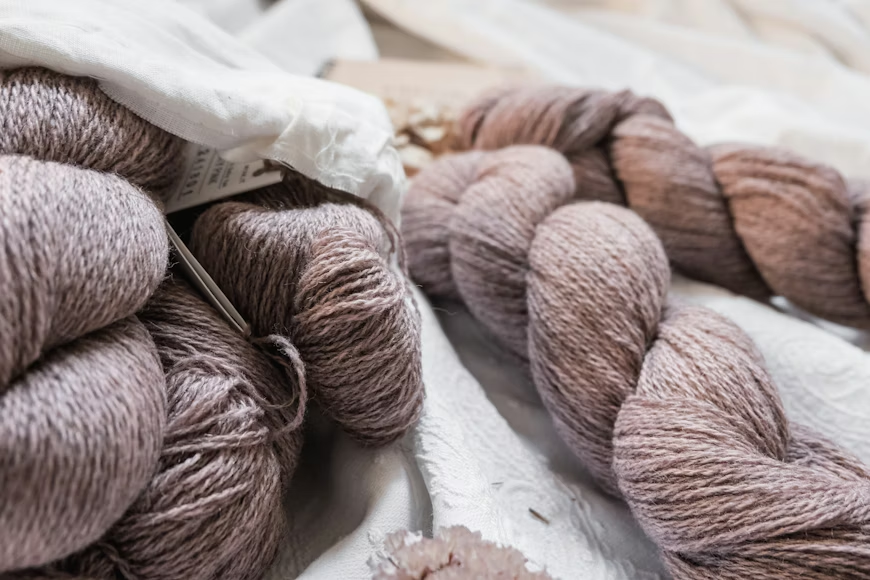
- Materials
Fibres and inputs that use less water, fewer fossil resources, or are recycled or bio‑based.
- Processes
Manufacturing that reduces emissions, chemical exposure, and labour risk.
- End of life
Clothing and packaging that are designed to be reused, recycled, or composted not dumped.
But the emphasis differs by market. In the UK and EU, regulation and lifecycle impact drive the conversation.
In the USA, brand transparency and compliance risk matter most. In India, sustainability is closely tied to cost efficiency, waste reduction, and scale.
And to understand how we got here, we need to look at how the idea evolved.
Sustainable fashion: past, present, and future
To understand sustainable fashion past present and future, you need to look beyond trends and see how the system shifted.
The past
Sustainability began as a niche idea among small designers and early adopters who were mainly focused on organic fabrics and ethical labour.
In India, repair, reuse, and long garment lifespans were already cultural norms.
In the West, sustainability emerged more as a response to industrial excess.
The present
Fast fashion accelerated production and lowered prices but also doubled clothing consumption globally while reducing how long garments are worn.
This exposed the true cost of the model: waste, emissions, and regulatory backlash.
The future
We’re moving toward accountability.
Digital product passports, carbon disclosure rules, and extended producer responsibility will soon make sustainability measurable, not optional.
That shift brings new pressure but also new opportunity. Which brings us to a critical gap that still holds the industry back.
Why is packaging still a blind spot?
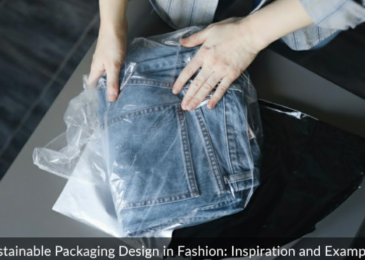
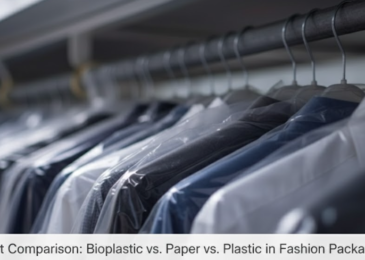
Fashion brands spend years improving fabrics and factories. Then ship garments in single use plastic.
That contradiction is at the heart of the sustainable fashion packaging problem.
Globally, the fashion industry uses tens of billions of garment polythene bags every year most of which are used once and discarded.
They rarely appear in sustainability reports. They’re rarely counted in lifecycle assessments.
But regulators count them. And consumers notice them.
Packaging affects:
- Compliance costs
- Export readiness
- Brand credibility at checkout
This is why garment packaging is also a business risk. In the UK, plastic taxes penalise virgin materials. In India, EPR rules make brands responsible for what they put into the market.
State level packaging laws are also tightening fast in the USA.
Sustainable fashion trends in clothing and packaging
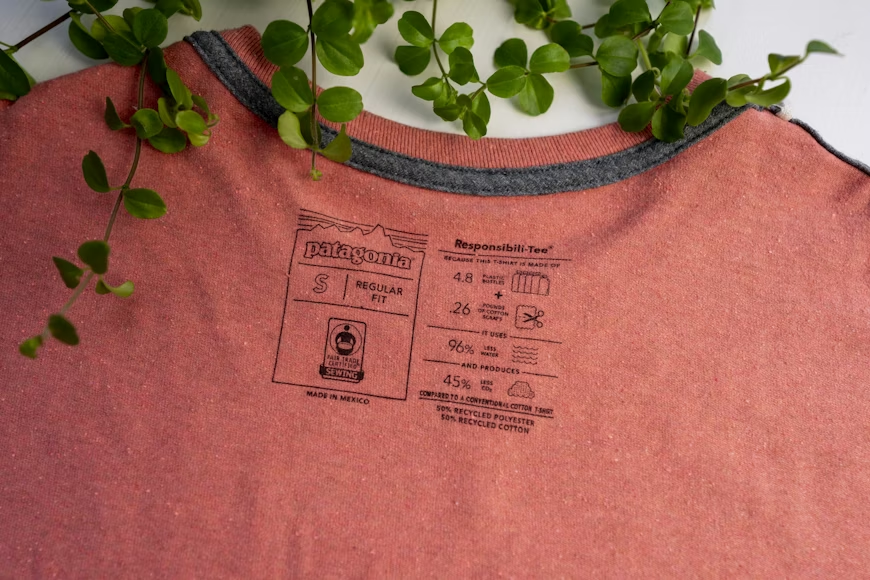
If you’re a sourcing manager, you already see the ground shifting beneath your feet.
Sustainable fashion trends in 2026 are moving beyond simple ‘eco’ labelling toward change in how clothes are sourced, and delivered. Repair is becoming a business model. The smartest brands are extending product life because it is the most direct way to cut waste.
A strong example is Patagonia’s repair and resale ecosystem. The sustainable clothing brands’ Worn Wear platform supports repair, resale to keep clothes in use longer. Levi’s SecondHand also lets customers buy and sell used jeans and denim pieces. The resale platform signals how normalized circular commerce has become in USA/UK consumer markets.
Less packaging is also winning as it reduces cost and compliance exposure
Brands are simplifying packaging wherever possible:
- fewer layers
- lighter packs
- fewer mixed materials
PrAna eliminated all plastic from its packaging in 2021. The sustainable fashion brand also plans to have zero virgin forest fibres in its packaging. Other sustainable fashion brands like BAM and Thought are using compostable packaging for mailers and garment bags.
Meanwhile, the EU and UK are tightening rules on packaging design and recycled content, penalising packaging without recycled material or with hard-to-recycle layers. The USA is also adopting state-by-state rules for extended producer responsibility. And India has banned many forms of single use plastic in retail and enforced tough EPR requirements for packaging waste and recycling quotas.
Global consumers are also moving beyond “eco-friendly” slogans. They are choosing resale, rental, and brands that demonstrate real material change.
According to ThredUp’s 2025 report, resale is growing three times faster than fast fashion.
For any brand, ignoring these trends is risky and expensive. That’s why every decision you make in the next two years needs to be future proof.
Let’s look at what solutions actually work on the ground, right now.
Which sustainable fashion packaging solutions make business sense today?
When it comes to sustainable packaging for fashion, theory is cheap.
What matters is what works at scale, across geographies, and under real business pressure.
Here’s what we’re seeing succeed:
Recycled LDPE Bags
In the UK, switching to polybags with at least 30% post-consumer recycled (PCR) content avoids the plastic tax and signals compliance to buyers. But these are not sustainable and in the long term and still rely on fossil-based plastic systems.
Compostable Garment Bags
Bioplastic bags that mimic traditional plastic performance and clarity are another alternative for brands operating in markets with composting infrastructure or EPR pressure. Ukhi’s compostable garment bags, made from hemp and other agricultural waste, gives fashion brands export ready performance while reducing plastic dependency and compliance risk.
Paper Based Mailers
In the US, leading outdoor brands are piloting FSC-certified paper mailers. The transition is frictionless for most e-commerce and passes both FedEx and UPS tests for durability.
A quick comparison:
| Solution | Compliance Edge | Brand Value |
| PCR polybag | UK, USA | Moderate |
| Compostable film | EU, India, UK | High |
| Paper mailer | USA, UK | High |
The key is not to pick one magic bullet. It is to match the right solution to each product, market, and compliance requirement.
At Ukhi, we see brands in India, the UK, and the USA succeed fastest when they treat packaging as a supply chain transformation not a side project.
FAQs
- What is sustainable fashion?
Sustainable fashion is clothing made to reduce harm to people and the planet.
- Is sustainable fashion becoming more popular?
Sustainable fashion is becoming more popular among brands as consumers demand clothes and packaging that are safer for people and the environment worldwide.
- What are examples of sustainable fashion?
Sustainable fashion brands are increasingly using recycled fabrics, and compostable garment bags for packaging.
- What are the 7 Rs of sustainable fashion?
Reduce, Reuse, Recycle, Repair, Repurpose, Rent, and Resell are practical ways to make the industry circular and less wasteful.
- Is sustainable fashion more expensive?
Not always. Smart design and better materials can lower costs over time.