

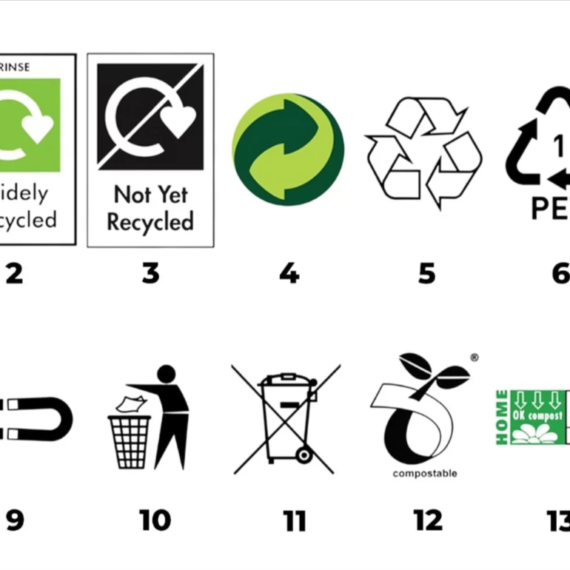
How to Read Plastic Packaging Symbols: The Complete Guide
Imagine holding two plastic packages in your hands. Both show a triangle. Both look official. Both seem to suggest the same thing. But they don’t. One triangle tells you what the plastic is made of.
EU Plastic Tax Explained: A $10B Opportunity for Bio-Based Alternatives
Europe’s plastic waste problem can no longer be pushed aside. If things don’t change, plastic packaging waste in the EU could grow by almost 46% by 2030. Much of that comes from heavy reliance on
How to Source Sustainable Packaging in India: A Buyer’s Guide
Imagine getting 9.7% extra for the same product you are selling right now. That’s how much customers are actually willing to pay for sustainable products. A 9.7% sustainability premium. Now, imagine this sustainability premium showing
Everything to Know about UAE Plastic Ban
The UAE plastic ban is one of the region’s boldest steps to address the very real problem of plastic pollution. It started with a few local restrictions in Abu Dhabi and Dubai. Over time, it
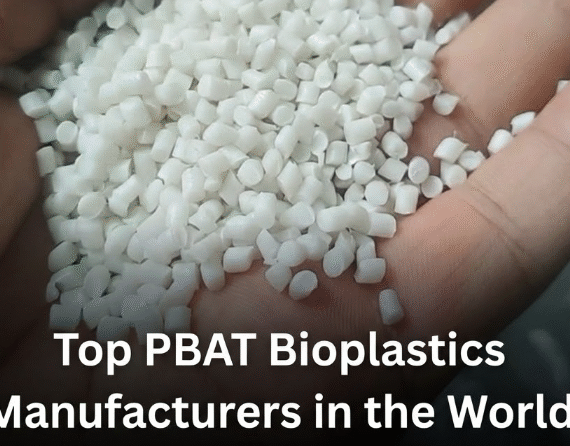
Top 12 PBAT Bioplastics Manufacturers in the World
The world now produces over 430 million tons of plastic annually. Nearly two-thirds of that becomes waste within the same year. The scale of the problem is far beyond what recycling alone can solve. This
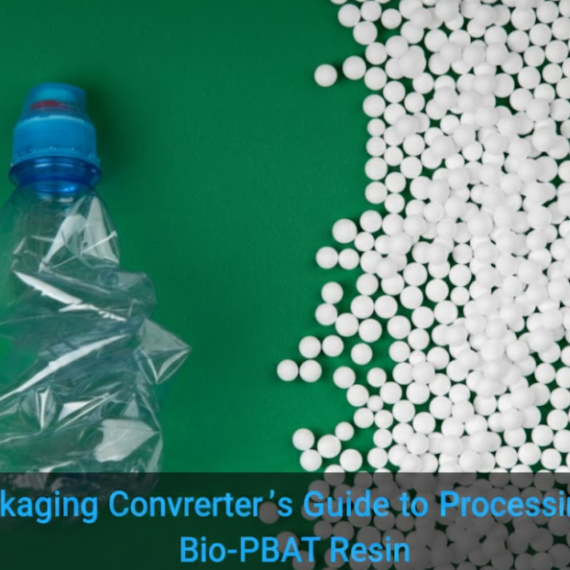
A Packaging Converter’s Guide to Processing Bio-PBAT Resin
Bio‑PBAT resin is no longer a lab‑scale alternative or a future material. It is running on thousands of film lines and moulding machines today, mostly on the same equipment that processes LDPE or PP. This
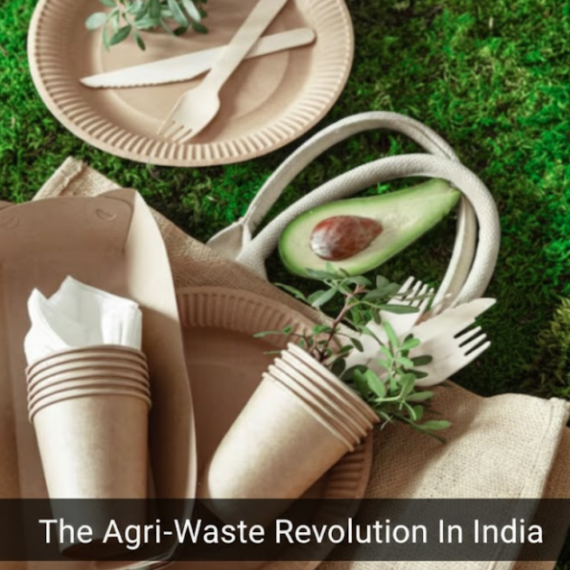
The Agri-Waste Revolution: How India is Solving the Plastic Crisis
Here is a startling fact: each year, India produces more than 9.3 million tons of plastic waste. It makes India responsible for generating about 20% of the entire global plastic waste. Here is another fact
Beyond PLA: Why Next-Gen Biopolymers Like Bio-PBAT Are Winning
The bioplastics market is clearly on a steep growth trajectory. In 2024, global bioplastics were estimated at around US $15.6 billion. And by 2030 the value is expected to reach US $44.8 billion. Still, bioplastics are a niche with
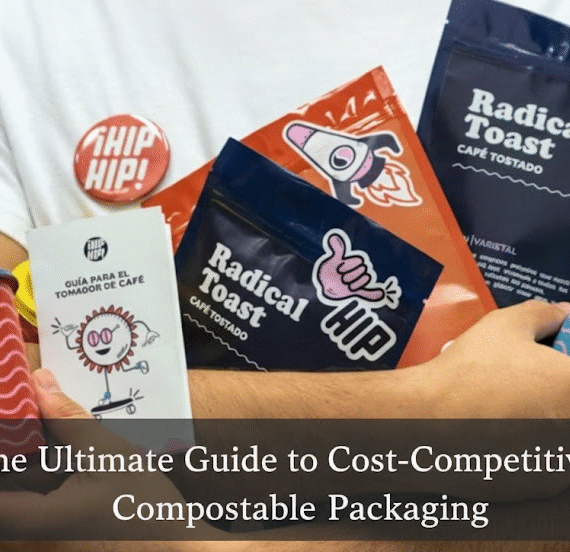
The Ultimate Guide to Cost-Competitive Compostable Packaging
Compostable packaging is a smart investment for the environment, yes, but equally for your brand and your ability to adapt to policy shifts. Over 30% of consumers globally say they are willing to pay more
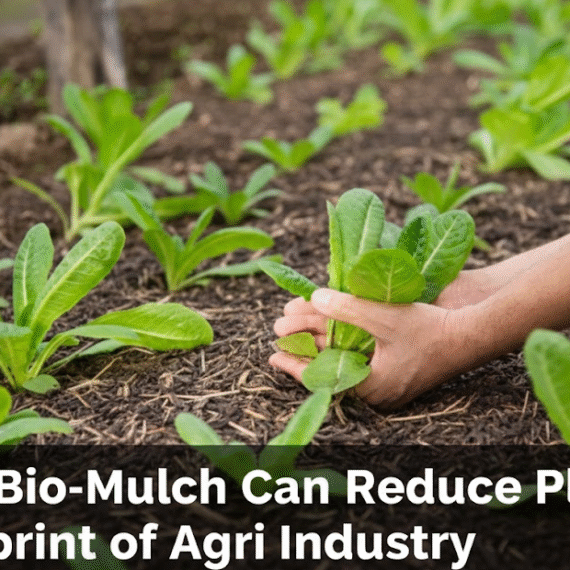
How Bio-Mulch Can Reduce the Plastic Footprint of the Agri Industry
Every growing season, farmers lay down roughly 2 million tonnes of plastic mulch. This is enough to blanket 30 million hectares, an area the size of Italy. But once the crop is harvested, most of