
- What is meant by bioplastic, PBAT, PLA, PHA, and PVA?
Bioplastic is a broad term for a family of plastic materials. To be called a bioplastic, it has to meet one or both of the following criteria:
- It can be bio-based: Some or all of the raw materials for the manufacture of the plastic are bio-based.
- It can be biodegradable: Under proper conditions, it breaks down and decomposes into CO₂ and water.
Crucially, bio-based does not always mean biodegradable.
Here are some common bioplastics in use:
Polylactic Acid (PLA)
It is the most widely used form of bioplastic and is both biobased and biodegradable. PLA is usually made from fermented plant starch, like corn or sugarcane. Typical uses include the manufacture of disposable cups, food containers, cutlery, and filament for 3D printing.
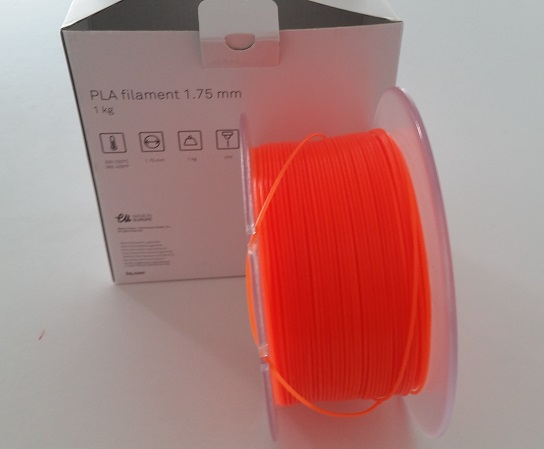
From Wikipedia
Polyhydroxyalkanoates (PHA)
PHA is a polyester that is both bio-based and biodegradable. Some types of bacteria produce PHAs naturally inside their cells to store carbon and energy. It can also be synthesized from different organic sources such as sugars, fatty acids, and waste materials. It is a highly promising material, and possible uses include food packaging, specialty film, and medical implants.
Polybutylene Adipate Terephthalate (PBAT)
PBAT is a polyester made from fossil fuels. However, it is classified as a bioplastic because it degrades under industrial composting conditions. The material is known for its flexibility and toughness and is ideal for making grocery and garbage bags.
Polyvinyl Alcohol (PVA)
PVA is also a synthetic polymer derived from fossil fuels. It is water-soluble and biodegradable in a composting facility. This makes it best suited for water-soluble films for encasing laundry and dishwasher detergent pods.
- How do bioplastics compare to conventional petroleum-based plastics in terms of carbon footprint?
Various studies have shown that bioplastics have a significantly lower carbon footprint than conventional petroleum-based plastics.
For example, the environmental benefit of replacing Europe’s annual fossil-based polyethylene consumption with bioplastic would save 73 million tonnes of CO₂ emissions.
Most of the gain is since plants used to make them absorb carbon dioxide from the atmosphere.
Conventional plastics rely on fossil fuels – oil and natural gas – for raw materials. The manufacturing process is energy-intensive and releases large amounts of carbon into the atmosphere.
Bioplastics are made from renewable biomass like corn starch or sugarcane. They are carbon-neutral because the CO₂ released during decomposition is roughly equivalent to the CO₂ absorbed during the plant’s life cycle.
This, however, comes with an important caveat.
The overall carbon balance is influenced by:
- Farming practices
- Transportation
- Energy source
If fossil fuels power the bioplastic production facility, the carbon benefits are reduced.
The same is true for transportation over long distances. The use of fertilizers and pesticides also contributes to upstream emissions. Overall, bioplastics have the potential to reduce carbon dioxide emissions by 30% or more and reduce carbon footprint by 42%. The actual numbers may be higher or lower depending on the given caveats.
At Ukhi, we take farm waste like hemp, nettle, and flax and turn it into advanced bioplastics. Our product is compostable and can be used on existing factory equipment.
- What are the key compostability and biodegradability standards (e.g., EN 13432 and ASTM D6400) for plastic packaging?
Compostability and biodegradability standards ensure that materials break down safely and effectively.
Here is a short description of what compostability and biodegradability mean:
Biodegradability
It is the breakdown of a material by microorganisms into natural substances like carbon dioxide, water, and biomass. For example, a newspaper can decompose in 2 – 3 years if left out in the open. Conventional plastics biodegrade in a few hundred years.
Compostability
Compostability has stricter standards. It’s a faster process that happens in a controlled environment like industrial composting. The result is the creation of usable compost, not just a pile of degraded material.
Here is a comparison of the key standards of compostability and biodegradability.
| Standard | Focus | Key Requirements |
| EN 13432 | European standard for industrial composting | Must biodegrade by at least 90% in 6 monthsMust disintegrate into fragments smaller than 2 mmNo more than 10% of material larger than 2 mm after 12 weeksNo negative impact from toxic substances on the compost |
| ASTM D6400 | North American standard for industrial composting | Must biodegrade by at least 90% in 180 daysMust fully disintegrate, with no more than 10% of material larger than 2 mm remaining after 180 daysNo negative impact from toxic substances on the compost |
It is important to note that not only must the substance break down, but it should not leave behind any toxic residues in the soil.
- What are the current global market size and growth projections for bioplastics? How much of this market is represented by major biopolymers like PLA, PBAT, and PHA?
Currently, in 2025, the global bioplastics market is valued at $16.8 billion. It is projected to reach $98 billion by 2035 at an annual growth rate of 19%.
If we look at capacity, the current production is pegged at 2.4 million tons and expected to rise to 5.7 million tons by 2029. Bioplastics production currently has a 0.5% market share of the overall market for plastics.
PLA and PBAT dominate the market share. These bioplastics jointly account for over 60% due to applications in packaging and disposable goods.
PHA is relatively new but growing fast due to its superior biodegradability and use in the medical and industrial sectors. This market expansion is driven by regulatory bans on single-use plastics and increased brand demand for sustainable materials.

From Freepik
- What are the primary raw materials and feedstock sources used in the production of bioplastics? What are first, second, and third-generation feedstocks?
Here’s a clear breakdown of the primary raw materials and feedstock sources used to produce PLA, PHA, PBAT, and PVA.
| Polymer | Main Feedstock | Origin | Key Raw Materials / Precursors | Renewable? |
| PLA(Polylactic Acid) | Corn, sugarcane, cassava | Biomass | Glucose → Lactic acid → Lactide | Yes |
| PHA(Polyhydroxyalkanoates) | Sugars, plant oils, waste fats, CO₂ | Biomass / Agricultural and Forest Waste | Microbial fermentation (direct polymer) | Yes |
| PBAT(Polybutylene Adipate Terephthalate) | Fossil hydrocarbons(Bio-PBAT is made from bio-based BDO/adipic acid) | Petrochemical | BDO (1,4-Butanediol) + Adipic acid + Terephthalic acid | Partially |
| PVA(Polyvinyl Alcohol) | Ethylene (petrochemical or bio-based) | Mostly Fossil | Ethylene → VAM (Vinyl Acetate) → PVAc → PVA | Partially |
First-generation feedstock consists of crops such as corn and sugarcane. They are readily available but have established consumption.
Second-generation feedstock is from agricultural waste and dry biomass like wood chips and straw. It is more sustainable but harder to process.
Third-generation feedstocks would be algae, CO₂, and industrial byproducts. Manufacture and use of these is in the research phase.
Ukhi makes EcoGran™ biopolymers made from hemp, nettle, and flax. We offer compostable alternatives built with a climate-positive value chain that uplifts rural economies.
- What are the environmental challenges associated with bioplastic production?
While bioplastics offer lower carbon footprints, they may have an upstream impact.
First-generation feedstocks like corn and sugarcane require fertilizers and pesticides. This contributes to eutrophication, acidification, and nitrous oxide emissions. These might lead to environmental trade-offs.
In addition, growing bioplastic crops can compete for land used for food crops. Currently, it uses 0.013% of available farmland, but if production is scaled up, surely this would be an issue.