
Bio‑PBAT resin is no longer a lab‑scale alternative or a future material.
It is running on thousands of film lines and moulding machines today, mostly on the same equipment that processes LDPE or PP.
This means that packaging converters producing single‑use products can shift to sustainable alternatives with limited capital investment or downtime.
Bio-PBAT is increasingly being replaced by LDPE in:
- carrier bags
- produce films
- compostable liners
Once converters realised they could meet compliance without rebuilding their plants, adoption followed naturally.
That brings us to the shop floor. If bio-PBAT works at scale, how exactly should it be processed?
Let’s look at how converters can switch to sustainable bio-plastics in this PBAT processing guide.
How do you use bio-PBAT in blown film extrusion machinery?
For film converters, the biggest misconception is that PBAT blown film needs exotic conditions. It doesn’t.
What it needs is discipline at lower temperatures.
Most bio-PBAT resin, like Ukhi’s blown film extrusion biopolymer, melts around 110-120°C, which means optimal PBAT extrusion temperatures usually sit between 140-170°C, lower than LDPE.
This one change already delivers two advantages:
- lower energy consumption
- reduced thermal degradation
But pure PBAT is also elastic and slightly tacky, which can cause bubble flutter, film sticking at the nip and inconsistent gauge.
That is why it is recommended for converters to use:
- small amounts of slip additives
- mineral fillers like CaCO₃ or silica
- or PBAT blended with PLA or starch
A common industry approach is PLA with 20-30% PBAT, which will drastically improve melt strength and allow thinner films without tearing.
Drying is also non negotiable. Even a trace of moisture can lead to:
- pinholes
- unstable bubbles
- sudden viscosity drops
Most converters dry PBAT at 70-80°C for 2-3 hours before extrusion.
Once these basics are respected, PBAT films can run smoothly on the same lines that earlier ran polyethylene.
But films are only part of the story. Injection and blow‑moulded products require another set of controls.
How do you use a PBAT biopolymer for injection and blow moulding?
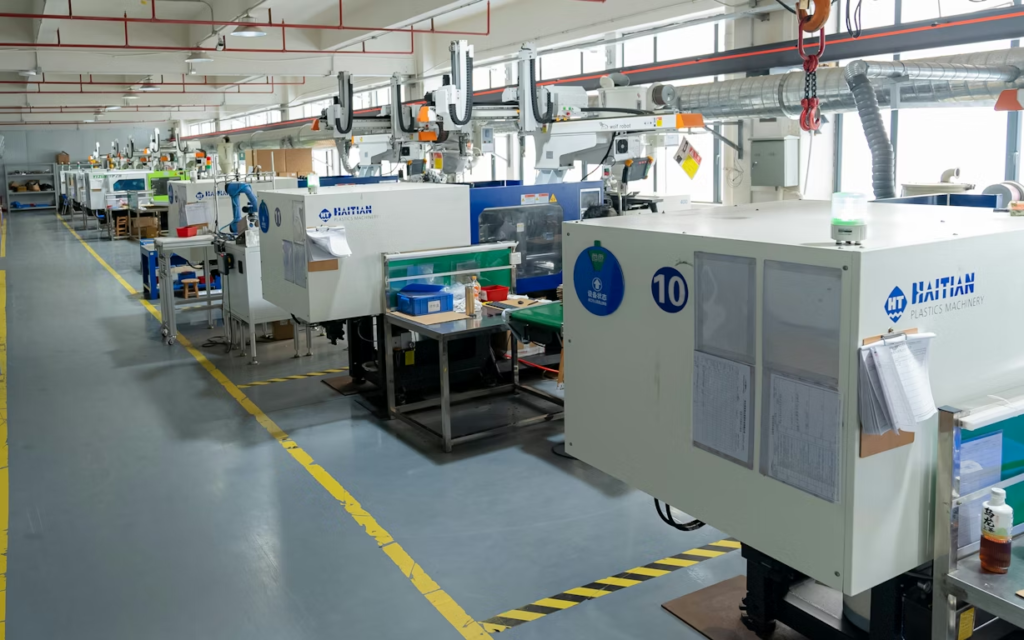
PBAT injection moulding can work on standard moulds and hydraulics.
Most PBAT compounds process comfortably at:
- 180-210°C melt temperature
- 15-25°C mould temperature
Lower mould temperatures help parts solidify faster and reduce warpage, which is useful for thin wall items like cutlery, caps, and closures.
Working with Ukhi’s compostable injection molding biopolymer, I have found that the most common mistake is letting the bio-PBAT resin sit hot for too long.
PBAT, being a polyester, degrades under long residence times. That shows up as:
- surface haze
- brittle parts
- burnt specks
Fast cycles and proper purging between runs solve this.
In blow moulding bioplastics, PBAT is also usually blended with PLA or similar polymers to improve stiffness.
Several converters already produce compostable bottles using PLA‑PBAT blends, running melt temperatures around 150-180°C.
These bottles:
- remain stable in cold storage
- hold liquids for up to a year
- work with standard screw caps
But handling the PBAT biopolymer before it reaches the machine can decide if your conversion project is a success or failure.
How to store and handle bio-PBAT?
If there is one non negotiable rule with PBAT, it is this. Moisture control is everything.
PBAT absorbs moisture from air. And moisture breaks polymer chains during processing. That leads to:
- weak films
- inconsistent flow
- unexplained breakages
Best practice to store bio-PBAT resin is simple:
- store in sealed packaging
- keep away from heat (>70°C)
- follow FIFO strictly
Most suppliers recommend converting material within 4-6 months of opening a bag.
Drying PBAT biopolymers before processing is also essential. Typical PBAT drying temperature is between 70°C and 80°C for 2-4 hours. This is lower than PET or nylon drying temperatures because overdrying can damage the resin.
At the machine:
- use closed hoppers
- avoid open exposure during shutdowns
- purge barrels after runs
Once moisture is controlled, PBAT behaves predictably. But why switch to PBAT at all? The clear advantages over PLA or other compostable bioplastics are hard to ignore.
Why switch to biodegradable PBAT biopolymer?
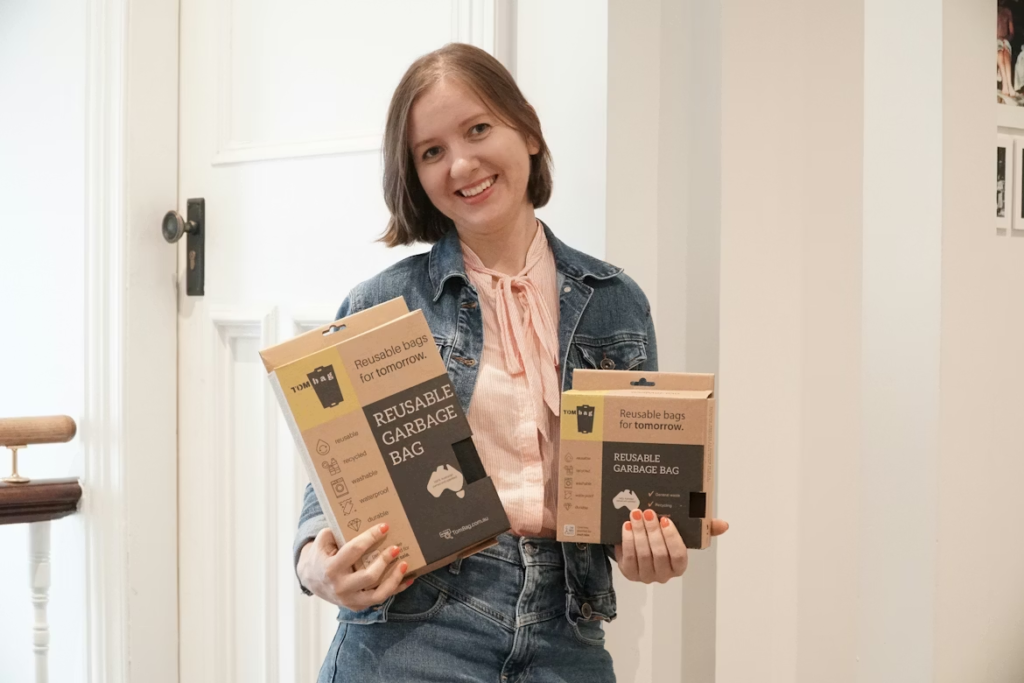
Five years ago, biodegradable PBAT was still treated as a specialty polymer. Now, it is one of the most produced compostable plastics in the world.
This push for bio‑PBAT into the mainstream happened because of three structural forces.
First is the increasing regulatory pressure and compliance mandates. In the EU, the upcoming Packaging and Packaging Waste Regulation mandates compostable materials for specific formats like fruit labels, tea bags, and certain flexible packs.
Supply of bio-PBAT has also finally scaled. Between 2019 and 2025, global PBAT market capacity expanded from under 200,000 tonnes to well over 1.5 million tonnes, largely led by China.
This scale up flattened prices and made PBAT commercially usable for converters.
Lastly, PBAT behaves like a plastic. Compostable PBAT packaging is a real alternative to single-use plastic. Compared to PLA:
- It is flexible and not brittle
- It has high elongation, not crack‑prone stiffness
- It tolerates processing variation better
So, how do you switch to Bio-PBAT resin effectively and practically?
With increasing regulations around the world making compostable alternatives a compliance pathway, switching to sustainable alternatives to single‑use plastics might just be inevitable.
But before you commit to a full line conversion, it is best to run a low risk pilot.
At UKHI, we have spent the past five years turning Indian agro-waste into multiple biopolymers that run on existing conversion equipment across common conversion routes, especially the ones used for single-use packaging.
If you are a converter planning a cost controlled shift from plastic single-use formats, our team can share process guidelines and line-trial support for your specific output targets.
FAQs
- What is PBAT resin and what makes bio-PBAT different?
PBAT resin (poly(butylene adipate-co-terephthalate)) is a biodegradable polyester that is used as a flexible alternative to PE in films and bags. Bio-PBAT means PBAT that is partly bio-based (or PBAT used in bio-based blends).
- What blown film temperatures work best for PBAT biopolymer blends on existing lines?
A reliable PBAT processing temperature range is a lower than PE temperature profile, around 145-170 °C (with a 40 °C cooling zone reference). Most converters succeed by starting cool, stabilizing melt, then stepping up only if bubble stability demands it.
- What is the ideal PBAT crystallization temperature?
PBAT biopolymer does not have one single ideal crystallization temperature, because its structure is a random copolymer. Its crystallisation behaviour varies with formulation and processing conditions.
However, thermal analysis studies on neat PBAT typically show a crystallization temperature (Tc) in the range of about 40-90 °C under cooling conditions.
- Is bio-PBAT approved for food contact in the EU?
PBAT biopolymer is used for food contact applications like compostable packaging in the EU if it is processed in accordance with the EU food contact regulations (EU) No 10/2011 and its related frameworks.
- Does PBAT biopolymer meet EN 13432 compostability?
Yes, PBAT can meet the EN 13432 standard for compostability. Most commercial PBAT resins and PBAT‑based blends are formulated to comply with industrial composting standards including EN 13432 (Europe) and ASTM D6400 (USA).