
Bioplastics are everywhere these days. You see bioplastic packaging, bioplastic bottles, and even bioplastic cutlery. They’re marketed as the eco-friendly alternative to traditional plastics, and with good reason.
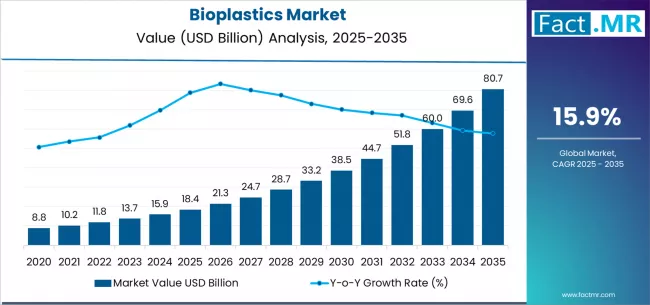
In fact, the bioplastics industry hit USD 18.4 billion in 2025. It is projected to reach USD 80.7 billion in market valuation by 2035. That’s a strong CAGR of almost 16% annually.
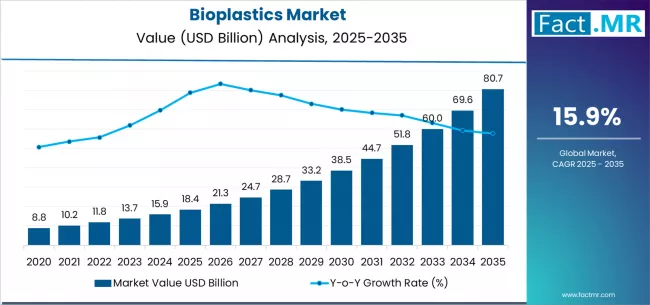
But here’s the catch: despite all the hype, bioplastics still make up only 0.5% of global plastic production. So, why hasn’t the “green revolution” taken off yet? One big reason is myths. Plenty of misconceptions about bioplastics are floating around, and they can be downright misleading.
In this article, we’re busting the five most common bioplastic myths. Our goal is to give you clear, easy-to-grasp facts so you’ll know exactly what’s real and what’s just clever marketing.
Top 5 Bioplastic Myths: Debunked
There are way too many bioplastic myths floating in the market today. At Ukhi, we hear customers, partners, and even official authorities fall prey to these. Below are 5 most common myths we see and the truth behind them.
Myth 1: All Bioplastics Are Biodegradable
Here’s a big one: people assume all bioplastics just vanish in the environment. Sounds nice, right? Not true.
Not all bioplastics are biodegradable. Some are designed to last. They may look eco-friendly, but their lifespan can match that of traditional plastics. The term “bioplastic” just tells you about the source (often plants!) not whether it will disappear on its own.
Some bioplastics break down only in industrial composting facilities. Others are meant to be durable. That’s why disposal instructions matter. When you learn the bioplastics facts, it’s easier to understand bioplastics vs traditional plastics. Not every green product is magically biodegradable.
Myth 2: Bioplastics Can Break Down Everywhere
Ever tossed a bioplastic cup in your backyard and hoped it would disappear? Well, that might never happen because that’s another myth.
Most bioplastics need specific conditions to degrade. High heat, moisture, and microbial activity. Industrial composting facilities provide that. Landfills, oceans, or your garden? Not so much.
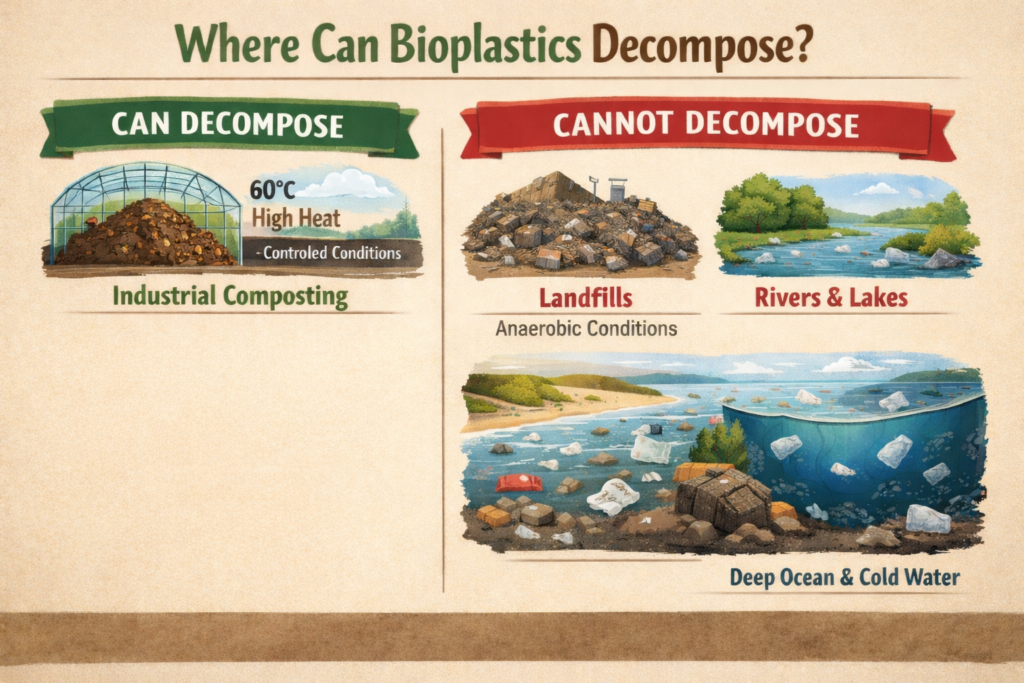
Without proper conditions, decomposition can be slow. That’s why some people say bioplastics aren’t sustainable. But here’s the thing, they are, but only when handled correctly.
Understanding myths about biodegradable plastics helps you see the nuances. It’s natural to ask, “Are bioplastics really sustainable?” The answer depends on how and where you dispose of them.
In short, not all environments are created equal. Proper infrastructure matters. Otherwise, the eco-friendly promise falls short.
Myth 3: Bioplastics and Biodegradable Plastics Are the Same
Here’s a confusing one. People often use “bioplastics” and “biodegradable plastics” interchangeably. But they’re not the same.
Bioplastics come from biological sources: corn, sugarcane, hemp, agricultural waste. But that doesn’t guarantee they’ll biodegrade. Biodegradable plastics, on the other hand, are designed to break down under certain conditions. Even when some biodegradable plastics use fossil fuels.
It’s easy to mix them up. But the differences matter. Compostable plastics vs biodegradable plastics are not one and the same. Bioplastics might be durable, recyclable, or industrially compostable.
Let’s break it down:
- Bioplastics – Plant-based, may or may not biodegrade.
- Biodegradable plastics – Can degrade under certain conditions, source may be plant or fossil.
- Compostable plastics – Break down completely in industrial composting.
Knowing this clears up confusion. After all, the source, the structure, and the disposal method all affect sustainability.
Myth 4: Biodegradable Plastics Can Be Recycled with Traditional Plastics
Here’s something that confuses a lot of people. You might think tossing biodegradable plastic into your recycling bin is fine, but it’s not. Mixing these with regular plastics can spoil recycling batches, which isn’t great for recycling facilities. It can mess up an entire batch of plastics.
So, getting rid of bioplastics the right way is really important. They usually need a separate recycling or composting process. When they’re handled correctly, they’re way better for the planet than regular plastics.
So, if you’re ever asking, “Are bioplastics harmful to the environment?” the quick answer is: not if you dispose of them properly. Sticking to the right guidelines means you’re helping out rather than causing more harm.
Myth 5: Bioplastic Production Competes with Food Crops or Needs Lots of Land
Some worry that bioplastics steal from food production or use vast farmland. That’s partly true for older methods, but innovation has changed the game.
Many bioplastics are now made from agricultural waste, residues, or non-food crops. At Ukhi, we use raw materials like hemp, corn, sugarcane bagasse, or leftover crop stalks. Using these reduces land use and avoids competing with food.

Think of it this way: instead of throwing waste away, we turn it into something useful. That’s circular economy in action.
So, when you wonder, “Are bioplastics really sustainable?” consider sourcing and production. Modern bioplastics often work with farms instead of against them and thus, be responsible and planet-friendly.
Here’s a quick recap of the bioplastic myths and bioplastics facts we uncovered in this blog:
| Myth | Fact |
| All bioplastics biodegrade | Only some do, often in industrial composting. |
| Bioplastics are always green | Not all are eco-friendly. |
| Bioplastics can replace all plastics | They’re just 0.5% of global plastics. |
| Bioplastics are recyclable with regular plastics | They usually contaminate recycling. |
| Plant-based = low carbon | Impact depends on production & disposal. |
Getting Started with Bioplastics: Without Myths
When bioplastic myths are cleared, you can start making better choices. Whether you’re buying for yourself, running a business, or working on policy, getting into the details really matters.
So next time you spot “bioplastic” on a package, take a moment. Ask some questions. Check for instructions on how to dispose of it. Think about where it came from. Don’t just take the label at face value; that’s how you can figure out what’s legit and what’s just marketing.
Sure, bioplastics aren’t perfect at this stage. But they’re definitely a step in the right direction. They can play a key role in tackling the plastic pollution problem. And now that you’ve got the facts, you’re all set to use them wisely. Check out Ukhi’s range of bioplastic products and consider making the switch today!
FAQs
1. How long do bioplastics take to decompose?
The time it takes for bioplastics to decompose can differ quite a bit depending on the specific type and how they’re disposed of. For instance, some bioplastics that are designed for industrial composting can break down in about 90 to 180 days when in controlled conditions. However, others might stick around for years if they’re tossed in landfills or left in natural settings. So, making sure they’re disposed of properly is really important for reaching those sustainability goals!
2. Are bioplastics safe for food packaging?
Absolutely! Many bioplastics are indeed food-safe and have received the green light from regulatory authorities for use in packaging. They are non-toxic and can really contribute to cutting down on conventional plastic in food service. However, it’s essential to keep an eye on the guidelines regarding temperature limits, microwaving, and storage. This is crucial since some bioplastics may not handle heat or prolonged exposure to moisture very well.
3. Can bioplastics be used in everyday products?
Yes, bioplastics are really versatile. You can find them in everything from packaging and cutlery to bottles, bags, and even textiles. They perform just as well as regular plastics in a lot of situations. So, they’re a solid choice for both businesses and consumers looking for eco-friendly alternatives that still get the job done.
4. Do bioplastics have the same carbon footprint as traditional plastics?
Not really. A lot of bioplastics actually have a smaller carbon footprint since they’re made from renewable materials like leftover plants. But it all comes down to how they’re produced, transported, and disposed of. To really grasp the environmental advantages over regular plastics, we need to look at life-cycle assessments.
5. Can bioplastics help reduce ocean pollution?
Yeah, to a degree. Bioplastics can help cut down on plastic waste if you throw them away the right way since they’re meant to break down in the right conditions. They won’t solve every issue with ocean trash, but swapping out single-use plastics for bioplastics in places where you can control how they’re used could really help lessen the environmental footprint.