
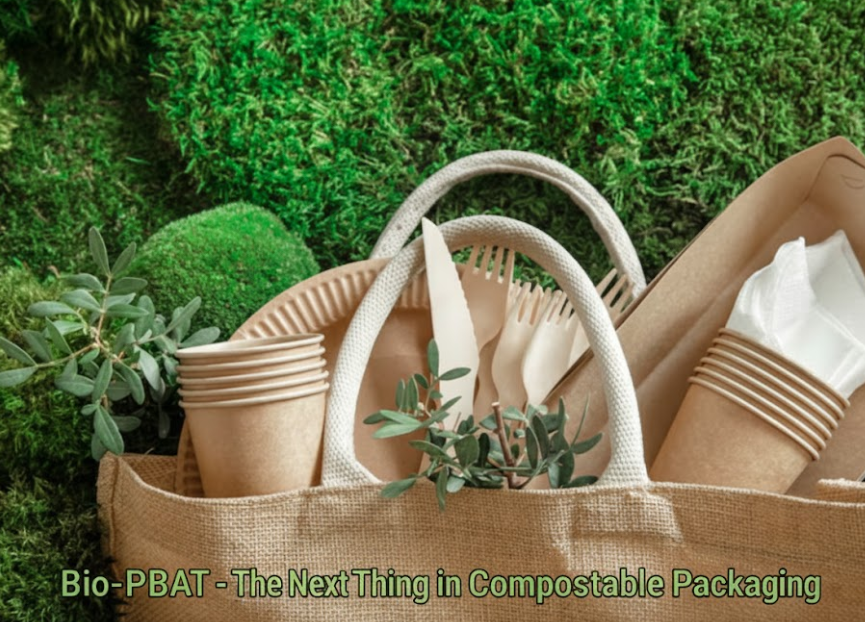
If you follow the world of sustainable packaging, you may have noticed one term coming up again and again. That term is Bio-PBAT. But what is it exactly, and why has it become so important so quickly?
It is a biopolymer that is quickly reshaping the future of sustainable packaging. Due to its strength and easy compostability, Bio-PBAT is considered a huge breakthrough in bioplastic technology.
In this article, I will discuss different aspects of this biopolymer. We will focus on what Bio-PBAT is and why it is at the center of conversations about sustainable packaging.
What is Bio-PBAT and Why Is It Important?
Bio-PBAT stands for bio-based Polybutylene Adipate Terephthalate. It is a bioplastic that is made using raw materials from plants or other renewable sources. As a packaging material, it is as flexible as the plastic used in shopping bags. But it is designed to break down after use instead of staying in the environment for hundreds of years.
This is why Bio-PBAT matters:
- Bio-PBAT is already made at a commercial scale. This is unlike many renewable and eco-friendly materials that exist only as a lab invention.
- It can work flawlessly in conventional plastic manufacturing systems without the need for expensive retooling.
- Bio-PBAT also works with current industrial composting systems and breaks down rapidly under prescribed conditions.
Also, Bio-PBAT has arrived at a crucial juncture when governments across Asia, Europe and North America have banned single use plastics. Because of this, packaging manufacturers now need materials that are:
- Tough
- Durable
- Cheap
- Compostable
And Bio-PBAT checks all the boxes. It is a bridge between conventional plastics and a sustainable packaging future.
How Is Bio-PBAT Made?
We will touch upon this aspect very briefly.
Traditionally, PBAT is made from three ingredients:
- Adipic acid
- 1,4-butanediol
- Terephthalic acid
While standard PBAT is made from petroleum-based feedstocks, for Bio-PBAT, manufacturers are using butanediol made from fermented plant sugars. That shift is critical because it cuts the carbon footprint and reduces reliance on oil.
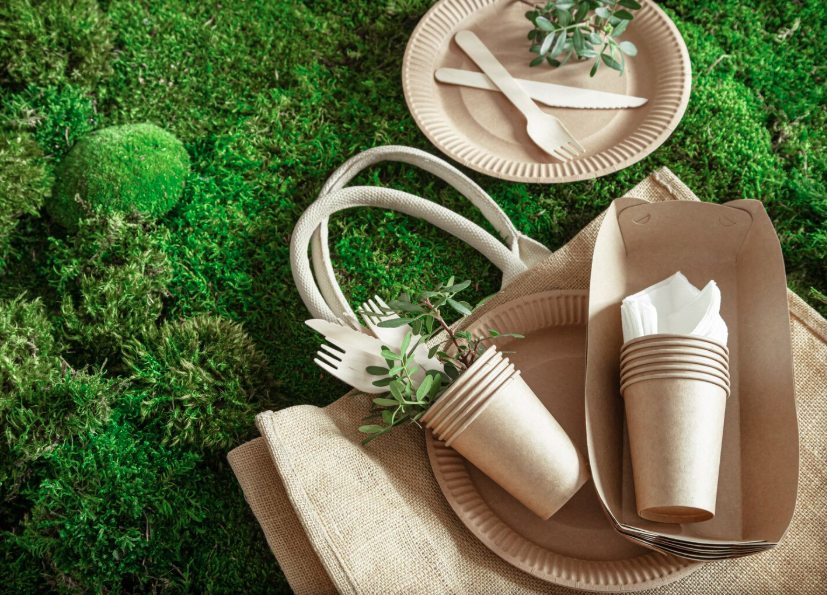
From Freepik
In the future, all three ingredients could come from renewable sources. Researchers in bioplastic technology are developing bio-based adipic acid and bio-based terephthalic acid from biomass. This would make PBAT 100% bio-based.
At Ukhi, we are gradually scaling up the manufacture of Bio-PBAT made from agricultural waste. It is my firm belief that a focus on biopolymers made from agri-waste will help India move away from reliance on fossil fuels.
What Are the Main Benefits of Bio-PBAT?
The real power of Bio-PBAT isn’t just in how it’s made but what it actually delivers. Here’s what makes this material important to anyone who cares about compostable packaging:
Compostability
In an industrial composting facility, Bio-PBAT can break down in as little as 6 to 12 weeks. That is proven performance. It meets global standards like EN 13432 and ASTM D6400. Even in your backyard, Bio-PBAT can degrade easily. But it takes more time.
Mechanical Performance
Bio-PBAT offers high tensile strength similar to plastic bags. It can be bent, twisted, and stretched without breaking. Another plus – Bio-PBAT can seamlessly work with standard extrusion and molding lines.
Infrastructure Ready
Bio-PBAT is not a theoretical material. It is already mass-produced. About 70% of existing industrial composters worldwide already accept Bio-PBAT waste.
Lower Carbon Footprint
Bio-based PBAT reduces carbon emissions by 37%. It drops the global warming potential from 5.89 to 3.72 kg CO₂ per kg of polymer. This is because of the increasing use of plant sugars in its manufacture.
All of this makes Bio-PBAT a truly practical option for brands looking for compostable packaging and supermarkets that want to introduce compostable shopping bags.
How Does Bio-PBAT Compare to Other Bioplastics?
Bioplastic technology has been rapidly evolving over the past two decades. There are several types of bioplastics besides Bio-PBAT, such as Polylactic Acid (PLA), Polyhydroxyalkanoates (PHA), Bio-PE/PET, etc.
So, how does Bio-PBAT measure up? Here is a quick guide to understanding different types of bioplastics:
| Bioplastic | Flexibility & Strength | Compostability & Breakdown | Cost & Availability | Common Uses |
| Bio-PBAT | High | Requires industrial compost | High | Shopping bags, food wrap, mulch film |
| PLA | Brittle unless blended | Requires industrial compost | Low-Moderate | Rigid containers, cups, and 3D printing filament |
| PHA | Varies (from soft to rigid) | Broad (soil, marine, home compost) | Very High | Medical implants, marine applications, coatings |
| PBS | Rigid, moderate strength | Requires industrial compost | Moderate | Some rigid trays, utensils, and blend applications |
| Starch-based | Brittle unless blended | Rapid in many environments | Very Low | Packing peanuts, filler, and some disposable tableware |
Bio-based PBAT is:
- Cheaper and scalable than PHA
- Easier to process than PLA
- More durable than PBS and starch-based blends
While no bioplastic is perfect for every job, Bio-PBAT stands out for flexible packaging. Next, let’s see how all this translates into market growth.
Where Is the Market for Bio-PBAT Headed?
Bio-PBAT is not just a successful example of bioplastic technology but a growing business. The market numbers are very impressive and hard to ignore:
- In 2024, global sales were more than 500 million dollars. Some estimates put it at over a billion dollars.
- By 2035, the market is set to reach nearly $4.8 billion. That is 7-9% annual growth.
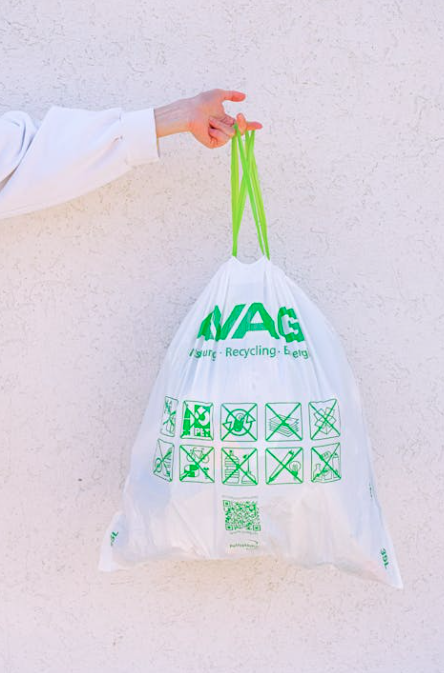
From Pexels
So what’s fueling this momentum?
Policy and Regulation
Nations around the world are setting strict rules that push brands to switch from fossil plastics to compostable packaging.
Such as, EU’s Single-Use Plastics Directive is forcing a phase-out of conventional plastic bags. Similarly, Vietnam’s 2026 ban on non-biodegradable shopping bags is expected to create a 100,000-ton demand for PBAT
Real World Applications
Bio-PBAT has already been successfully used for:
- Food packaging (compostable trays, clam shells, wraps)
- Cutlery
- Agricultural films
- Shopping and garbage bags
- Industrial packaging
The EU is the largest consumer, while the Asia-Pacific is growing the fastest as a market.
At Ukhi, our work with flexible, compostable films and custom biopolymer blends is helping manufacturers meet new global standards.
What’s Next for Bio-PBAT in Sustainable Packaging?
One thing is for sure – it’s not just another fad. The potential is real and backed up by quick adoption.
Bio-based PBAT is well on its way to quickly becoming the standard for biodegradable plastic and compostable packaging. It has proven to be ready for real-world use, future regulatory demands, and a
circular economy that works.
Are there any headwinds?
Sure, and they are not unique. Every new industry has teething troubles. The one drawback to focus on is costs:
The cost of Bio-PBAT is 2-3 times more than conventional plastic. However, as capacity expands, we are seeing the prices cooling. In five years, it will likely be the same as conventional plastic or slightly higher.
For investors, the trend lines are clear – demand is growing, bioplastic technology is maturing, and sustainability is now a requirement, not a luxury. If you’re looking to modernize your packaging strategy, now is the perfect moment to get ahead of the curve.
Frequently Asked Questions
How is Bio‑PBAT different from regular PBAT?
Bio-PBAT is chemically identical to regular PBAT but it has a different raw material source. It is made from plant-derived feedstocks instead of fossil fuels. This makes it sustainable and cuts down on carbon footprint.
What is the most common use of Bio-based PBAT today?
These are the typical uses of Bio-PBAT:
- Compostable shopping and garbage bags
- Food packaging films (including cling wraps and pouches)
- Courier bags
- Agricultural Films
A possible future use is as a suture for wounds due to its biodegradability.
How does Bio-PBAT impact the environment?
Bio-PBAT, a type of biodegradable plastic, offers significant environmental advantages over traditional plastics. It biodegrades into CO₂, water, and biomass within 6 – 12 weeks in industrial composting facilities. However, in natural soil, this slows down and takes about a year.
Is Bio-PBAT toxic or unsafe?
Not at all. Bio-based PBAT is designed to degrade into non‑toxic compounds. It is approved for food‑contact and extremely hygienic.
Is Bio-PBAT more expensive than regular plastic?
Currently, it is about 2 – 3 times more expensive. However, as demand rises and consequently more manufacturing takes place, the price is expected to drop significantly by 2030.