
Each year, the world produces over 430 million tonnes of plastic. And nearly half of it is designed to be used just once and thrown away.
As we head into 2026, the scale of single-use plastic pollution is impossible to ignore. Global production of plastic continues to rise, while waste systems struggle to keep pace, and the effects are now visible well beyond landfills and oceans.
It’s affecting climate, ecosystems, and human health all at the same time. New research shows microplastics turning up everywhere, from drinking water to human tissue.
As governments rush to tighten rules and companies set new targets, many are asking: Which facts actually matter? And what’s finally making a difference?
In this article, I’ll walk you through the essential facts and real-world solutions for single-use plastic pollution in 2026.
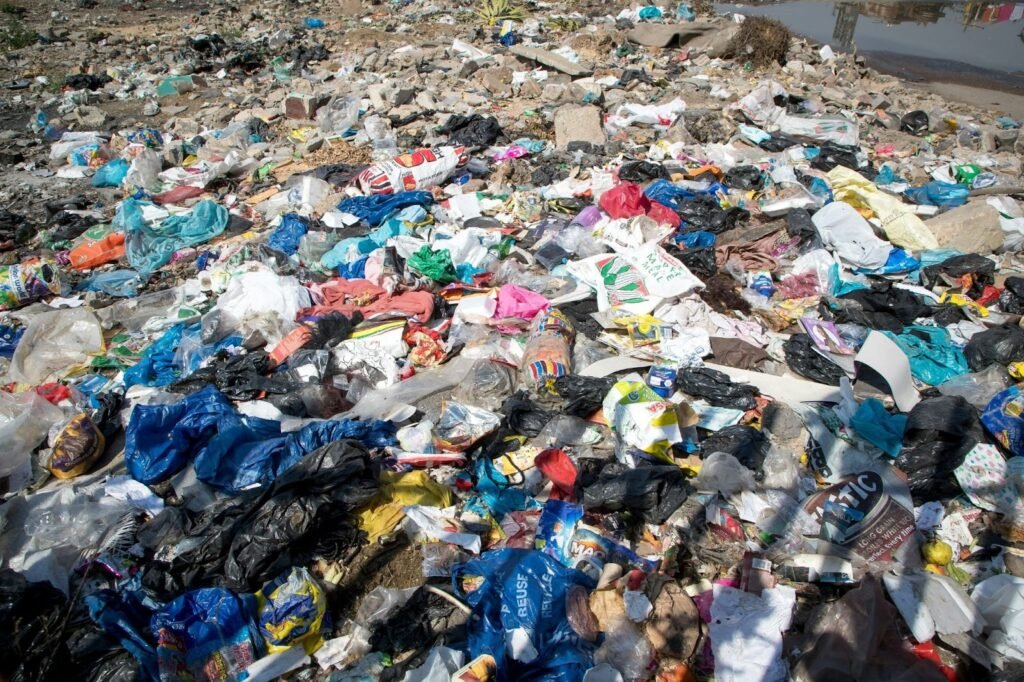
Single-use plastics facts you should know in 2026
Almost 36% of single-use plastic is used just for packaging. And only about 9% of all plastic waste is recycled globally. The rest either ends up in landfills or is burned. In either case, plastic leaks into the environment in one way or another.
This year, however, marks a turning point. New rules like the EU’s PPWR and the UK’s extended producer responsibility scheme are now in force. Major brands are facing deadlines on their plastic packaging reduction targets for the first time.
To get a more well-rounded understanding of the subject, we need to look at the overall carbon footprint of plastics. That’s why I’ve curated the most important single-use plastic facts you must know in 2026:
Climate Footprint of Single-Use Plastics
The entire lifecycle of plastic leaves behind a massive carbon footprint. In 2019, it was responsible for around 1.8 billion tonnes of CO₂ equivalent emissions. Most of these emissions come from:
- Fossil fuels used in the manufacturing of plastic.
- The energy needed for manufacturing and transport.
- Incinerating plastic at end-of-life, which releases direct CO₂.
Allow me to put that into perspective. Let’s imagine plastics as a country. Then, it would be one of the world’s top greenhouse gas emitters.
The fastest way to cut this footprint is to design products for prevention and reuse, rather than relying on recycling or burning waste at the end.
How do Single-Use Plastics Affect the Environment?
Plastic doesn’t just disappear after we use it. In 2022, around 82 million tonnes of plastic waste were mismanaged worldwide, meaning it was dumped or burned rather than properly collected.
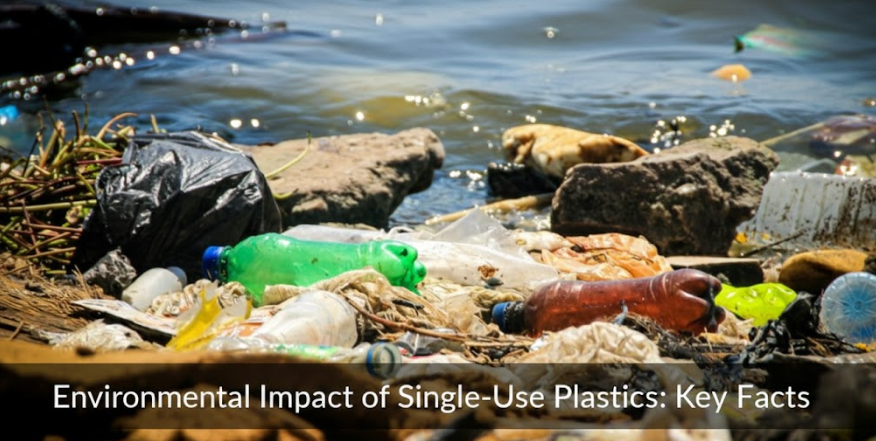
Much of the single-use plastic waste follows the same path. It’s either littered or dumped illegally, or is carried by rain or wind into rivers and streams. Eventually, it flows into coastal areas and the open ocean.
The worst hotspots for this leakage are regions where formal waste collection is limited. Countries in South and Southeast Asia, as well as parts of Africa, see the most plastic escaping into the natural environment. And it happens due to gaps in infrastructure.
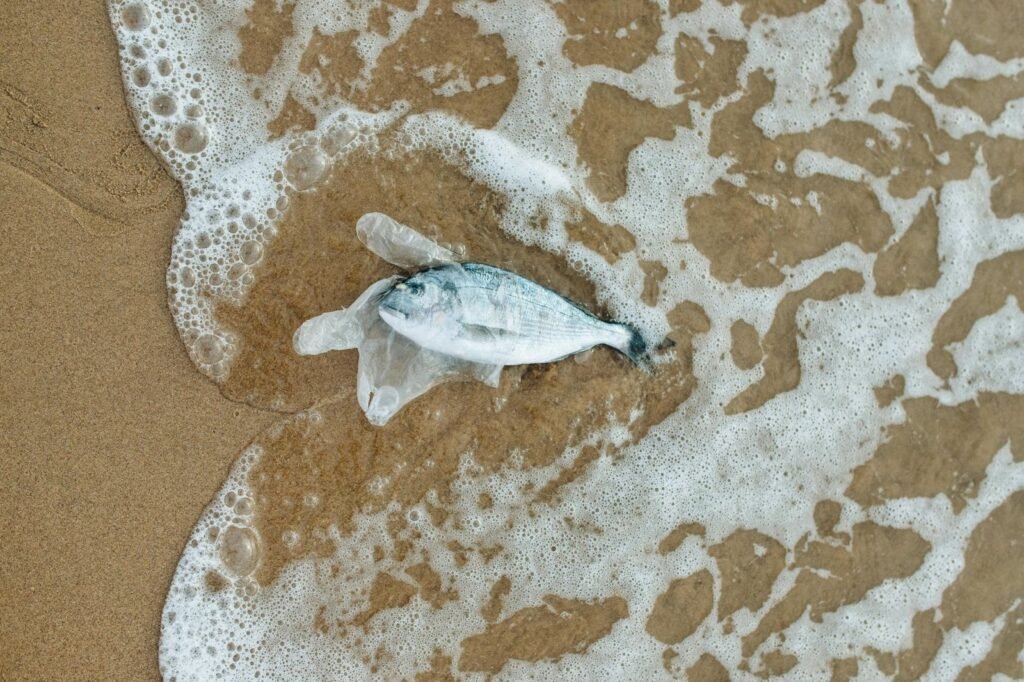
Oceans and Wildlife Impacts We Cannot Ignore
Once plastic enters rivers and seas, it spreads rapidly. In 2019, an estimated 1.7 million tonnes of plastic ended up in the world’s oceans. These plastics pose a direct threat to wildlife.
Nearly all sea turtles and up to 90% of seabirds have fragments of plastic in their bodies. Thousands of marine animals are killed each year from getting injured by packaging materials or entangled in discarded fishing gear. Floating plastics can even carry invasive species and toxins across long distances.
Beyond harming marine animals or ecosystem, plastic pollution causes serious economic losses for those who depend on the ocean. If the problem continues, industries such as fishing and tourism could lose over $10 billion each year.
How do Single-Use Plastics Affect Human Health?
In the last few years, people have grown more concerned about microplastic health effects, and rightfully so. By 2025, scientists have found microplastics in drinking water, food, and even human tissues.
Tiny particles have been detected in blood, lungs, and arteries, raising new questions about long-term health risks. Chemical additives like BPA and phthalates, which are common in many single-use products, are linked to hormone disruption and other effects.
That’s the EU has banned BPA in food-contact plastics as of late 2024. It will also restrict PFAS in packaging from 2026.
Biggest Contributors to Single-use Plastic Pollution
A handful of companies and countries account for most of the world’s single-use plastic waste. The largest plastic producers in 2021 were:
- Sinopec in China
- ExxonMobil in the USA
- LyondellBasell in the Netherlands and the USA
- Saudi Aramco in Saudi Arabia
- PetroChina in China
In terms of waste, high-income countries like the US and much of Europe produce the most per person. But rapidly growing nations like China and India generate the highest total volumes.
Across all regions, packaging is still the main driver. It makes up nearly half of the plastic thrown away each year.
What Different Countries are Doing to Combat Single-Use Plastic Pollution
Governments around the world are responding to plastic pollution in different ways. Some are using outright bans. Others are focused on taxes, producer responsibility, or reuse targets.
What’s clear is that governments are moving faster and enforcing these rules more strictly. Below is a clear overview of what the major countries and regions are doing to address single-use plastic pollution.
| Country/Region | Major Actions | Year of implementation |
| European Union | Banned the top 10 single-use plastic items.Set bottle recycling/reuse targets.Packaging must be reusable/recyclable by design. | SUP Directive in 2021 PPWR in 2025–26 |
| United Kingdom | Plastic Packaging Tax introduced.Extended Producer Responsibility phased in.Deposit-return system under development. | 2022–24 |
| Canada | Banned checkout bags, cutlery, straws, stir sticks, and foam containers.Full market removal by 2024. | 2022–24 |
| India | Ban on specific single-use plastics.Nationwide ban on lightweight bags.Promotion of certified compostables. | 2022 onwards |
| UAE | Nationwide ban on single-use shopping bags.Additional bans on cups, plates, and cutlery from 2026. | 2024 (bags) 2026 (other items) |
| United States | State-level deposit-return laws.City bans plastic bags and foam containers.California: 100% reusable/recyclable/compostable packaging by 2032. | Ongoing, CA SB54 (2022 onwards) |
Globally, there’s a push for even bigger change. As of 2025, nearly every country is involved in UN negotiations for the world’s first international plastics treaty. This could set common rules for decades to come.
How is The Market Adjusting to The Changes?
Regulation, investor scrutiny, and consumer demand are transforming the plastics landscape.
Companies are under pressure to use more recycled content. There’s also an added emphasis on adopting single-use plastic alternatives. Reusable packaging and certified-compostable films are gaining ground.
Even so, the share of plastic that is actually recycled remains very low, at around 6% globally. Many brands are setting higher targets. But reaching them is not easy without big improvements in collection and sorting.
Investors are also paying close attention. The way a company manages its “plastic footprint” is now considered when it is rated for environmental and social responsibility.
One of the biggest challenges remains infrastructure. Without better systems for collecting, sorting, and composting waste, even the best packaging designs can fall short.
What can help reduce single-use plastic waste?
So, what actually works to shrink the mountain of single-use plastic waste? Around the world, a few practical strategies are making a real difference.
Reuse and Deposit Systems:
Reuse works when it is easy. Deposit‑return systems for bottles and containers are a good example. People will return used bottles and containers because there’s a clear incentive for doing so. They get money back.
In countries where these systems are well run, collection rates often cross 80%. That means far less plastic is lost as litter or waste.
Smarter Packaging Design:
The way a product is designed can make all the difference. Packaging made from one material is easier to sort. Clear labels help people put waste in the right bin. When recycling is simple, more of it actually happens.
Furthermore, when rules reward recycled content and penalise hard‑to‑recycle plastics, they push companies in the right direction.
Using Certified Compostables:
Compostable plastics can help in specific cases. Food‑soiled packaging is one of them. However, these materials only work if industrial composting is available.
Standards like EN 13432 or ASTM D6400 matter here. Without proper collection and processing, compostables behave like any other waste.
Some single-use plastic alternatives now come from agricultural waste. At UKHI, we’ve developed biopolymer films from agricultural waste. This biopolymer is then used to make a variety of compostable plastic packaging. These are designed to break down in existing composting systems.
Waste Infrastructure Matters Most:
None of this works without strong systems. Waste must be collected. It must be sorted properly. Composting and recycling facilities must exist at scale. Infrastructure is not optional. It is the foundation for reducing single‑use plastic waste.
Final Thoughts
If the momentum continues, the future could look very different.
Countries that will build strong collection and recycling systems will see plastic pollution drop sharply. Companies that will redesign packaging and invest in real alternatives will be ahead of the curve.
But if action stalls, global plastic production could top 700 million tonnes a year by 2040. A number of ecosystems will be destroyed, and health risks will rise.
The choices we make now will decide which path becomes reality.