
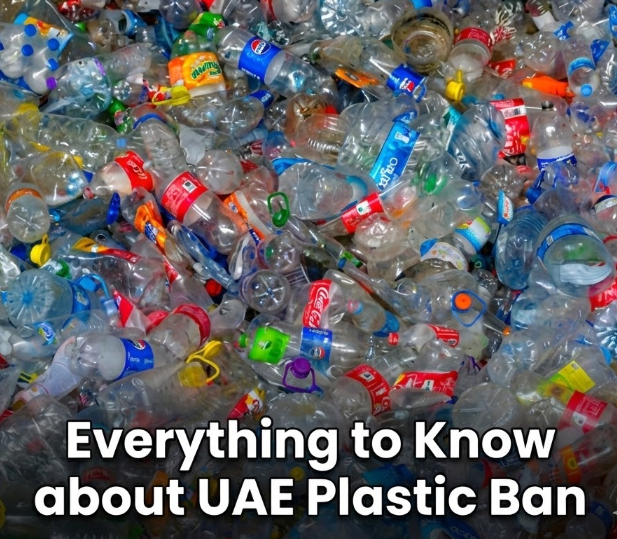
The UAE plastic ban is one of the region’s boldest steps to address the very real problem of plastic pollution.
It started with a few local restrictions in Abu Dhabi and Dubai. Over time, it has evolved into a national, federal ban with clear goals such as protecting marine life, reducing landfill waste, and encouraging the use of alternatives and reusables.
The ban also aligns with the UAE’s climate and circular economy commitments, especially those made at COP28. It aims to position the country as a leader in sustainable innovation for the Middle East and beyond.
The UAE plastic ban is a direct response to years of research showing how single-use plastics like bags, cups, and food containers end up clogging our environment.
But what exactly does the ban cover? When does it happen? And how will it affect businesses, consumers, and the economy?
Here, I’ll try to lay out the timeline as clearly as possible. Let us find out how the UAE’s approach moves from policy to real-world impact.
A complete timeline of the UAE plastic ban
The plastic ban in the UAE came into effect through several years of step-by-step action. It moved from local experiments to nationwide policy changes.
Let me explain in brief how the journey has unfolded so far and what’s next:
- June 2022: Abu Dhabi became the first emirate to ban single-use plastic bags at all retail points. This move was quickly followed by awareness campaigns and the introduction of per-bag charges to encourage the use of reusable bags.
- January 2024: The nationwide UAE plastic bag ban came into effect. This was a federal mandate. So, for the first time, all emirates had to comply. On the same date, Dubai implemented its own complete ban on single-use plastic bags, reinforcing the national policy.
- January 2026: This is the big one. The full UAE plastic ban in 2026 will extend far beyond bags. From this date, it will be illegal across the entire country to import, produce, or trade a broad basket of single-use plastic products.
The list includes plastic cups, lids, plates, cutlery, and many types of food containers. This marks a decisive shift from just limiting bags to transforming the entire single-use plastics landscape.
The government has made it clear that enforcement will be phased. The early months will focus on awareness, education, and support for businesses and consumers to help make the transition as smooth as possible. By the middle of 2026, inspections and penalties for non-compliance will become much stricter.
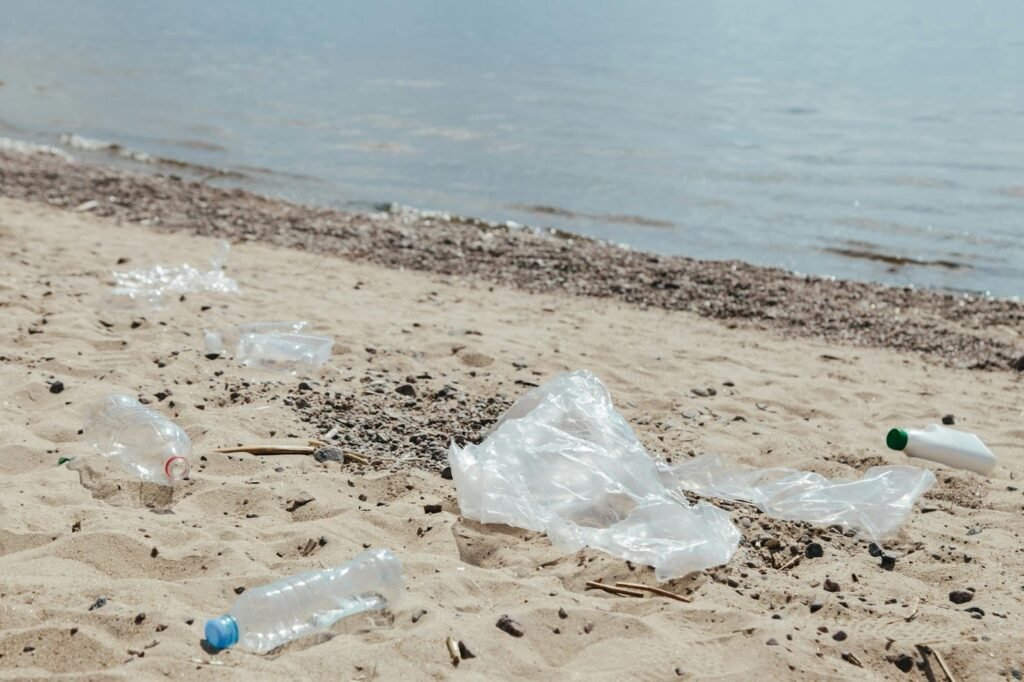
Which plastic products are banned in the UAE (2024–2026)?
The ban started with plastic bags. Even bags marketed as “biodegradable” were also brought under the same rule. That’s because many of them don’t actually break down safely in real-world conditions unless they meet proper certification standards.
Moving forward, the ban will be expanded to more plastic products than just bags. The UAE is targeting the entire spectrum of single-use plastics.
The larger transformation happens in January 2026. From that date, companies will no longer be allowed to import, produce, or trade a wide set of single‑use items.
Exemptions exist for now, but they are narrow. Garbage bags, bread bags, and the thin roll bags used for fresh fruits and vegetables are NOT banned. That’s primarily because banning them immediately will disrupt essential food handling and waste management.
Even these categories, however, are being reviewed over time and could evolve once viable alternatives scale up across the region.
Another important nuance is that the rules target the function of the product, not just the material. In other words, a single‑use paper item may still be discouraged if it simply replaces plastic without solving the underlying waste problem.
Similarly, products labelled “biodegradable” or “oxo‑degradable” will not be accepted unless they meet verified compostability or recycling standards.
This is intended to prevent greenwashing and encourage real solutions rather than cosmetic ones.
How does the plastic ban affect businesses?
If you run a business in the UAE today, the new rules on plastic bags will likely touch some part of your daily operations.
For most companies, this change moves right through the supply chain, from procurement and production all the way to customer experience.
Retailers and supermarkets, for instance, are the first point of contact with the new rules. Shoppers no longer see rows of single-use bags at checkout. Instead, they’re prompted to bring their own or purchase reusable options.
It seems like a small switch, but for large retailers, this means renegotiating contracts, redesigning store layouts, and launching fresh staff training programs. Every piece of the process has to be reviewed for compliance.
Food service and hospitality businesses face an even more complex transition. Every disposable cup, straw, or takeaway box comes under scrutiny.
That means only finding reliable suppliers for compliant alternatives won’t be enough. You would also have to communicate the changes clearly to the customers.
There’s a real risk here for businesses that manufacture or sell products. If the packaging doesn’t comply, you could face fines or even see your products pulled from shelves.
The UAE plastic ban update affects international franchises or hotel chains, too. They have to adjust global procurement processes to fit new local standards.
What Do Businesses Have to Do?
Businesses that are used to the old ways might find the transition hard, but there are ways to adjust to the changes. Let me share a few practical ways to do that:
- Audit your supply chain. Identify all single-use plastics used, whether for packaging, delivery, or service.
- Source alternatives. Move quickly to practical alternatives that are reusable, certified compostable, or genuinely recyclable.
- Negotiate with suppliers. You may need to rewrite contracts so that they align with the ban and new procurement standards.
- Train your staff. Everyone, from cashiers to kitchen staff, needs to understand what is and isn’t allowed.
- Educate your customers. Expect questions and sometimes pushback from customers who are used to single-use plastics.
It’s understandable that many businesses are worried about the costs.
In the short run, switching to compliant alternatives and rolling out new staff and customer communications may add to operating expenses. But in the long run, this change may lead to new opportunities.
Another key point is that the ban applies across all jurisdictions. That includes free zones and development areas like DIFC or JAFZA. There are no “special exceptions” for businesses based in these zones.
How will the plastic ban change everyday life for consumers?
For most residents and visitors, the UAE plastic ban will become visible in small but meaningful ways.
At supermarkets, you’ll need to bring your own bag or pay for a reusable one. Disposable cups and straws in your favorite café will disappear. They will be replaced by options that are designed to be reused or properly composted.
Food delivery and takeaway packaging will start to look different. You might find your order packed in plant-based or paper containers, or you’ll be encouraged to return packaging for reuse.
Some products could cost a bit more at first. However, shoppers can actually save money by reusing bags and containers rather than paying extra for single-use items each time.
Public awareness campaigns and reminders at stores will help everyone make the shift. The UAE is also piloting deposit-return systems for bottles and other packaging. It will make it easier for consumers to participate in recycling programs.
Ultimately, the biggest change is in mindset. The default will be reuse, not disposability. Over time, these habits, adopted by millions, will have a powerful positive impact on the country’s environment.
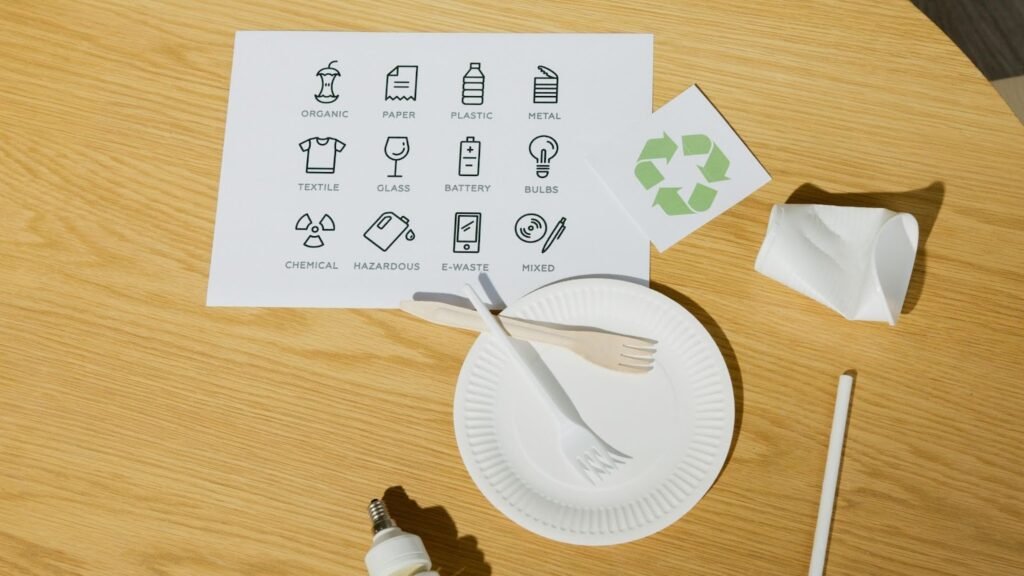
What are the best alternatives to single-use plastics in the UAE?
Ever since the UAE plastic ban was announced, one question has been on everyone’s mind. What should we use instead?
The answer is, thankfully, more practical than many expect. A few sustainable alternatives have long been present. Most people just didn’t pay much attention to them because of how readily available single-use plastic was.
For reusable carry bags, you have those made of fabric or woven materials. For storage, there are stainless steel, glass, and reusable plastic containers. Even for single-use plastics, there are plant-based alternatives.
At UKHI, we work with agricultural waste derived from hemp, nettle, and flax. We create high-performance, fully compostable biopolymers.
The EcoGran biopolymer is used to create biodegradable and compostable plastics. This plastic is then used to create a variety of products and packaging solutions.
These plastic alternatives meet both UAE regulatory requirements and the needs of real-world operations.
Final thoughts
The UAE plastic ban is going to bring major changes to policy and consumer habits. With that, we’re likely to see a massive rise in local innovation in the way of new materials and smarter systems.
The ban is just the beginning. If a single regulation can change the habits of millions, what else might be possible if innovation and policy continue to align?