
Imagine holding two plastic packages in your hands. Both show a triangle. Both look official. Both seem to suggest the same thing.
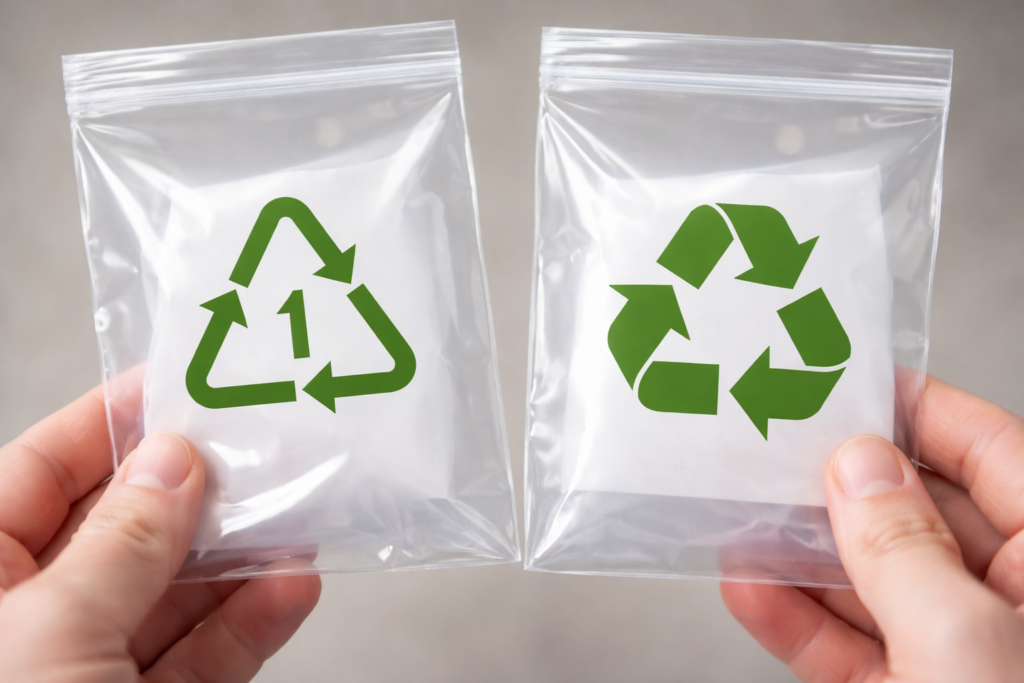
But they don’t.
One triangle tells you what the plastic is made of. The other only suggests that recycling might be possible.
That visual similarity creates a big misunderstanding. And it’s one of the most common reasons people struggle with plastic packaging symbols today.
This confusion isn’t about carelessness. It’s about assumptions. Symbols meant to guide responsible action often end up doing the opposite. Why? Simply because their meanings are not explained clearly enough.
With this guide, we aim to change that. We explain what symbols actually mean, how to read them correctly, and why understanding how to read plastic symbols matters. So, whether you are a consumer trying to dispose of waste responsibly, or a business aiming to label accurately, read on.
Top Plastic Packaging Symbols and Their Meaning
Plastic packaging carries many symbols, and not all of them speak the same language. Some identify material. Some indicate handling. Others relate to recycling systems that may not even exist locally.
To avoid confusion, it helps to understand the types of plastic packaging symbols and what each category communicates.
Resin Identification Codes (Plastic Material Codes)
These symbols identify the plastic material used. They do not convey a guarantee of recyclability. Here are the plastic resin codes explained:

Code 1 – PET (Polyethylene Terephthalate)
PET is a clear and lightweight material that’s often used for things like water bottles and food containers. It can usually be recycled, but whether it actually gets recycled depends on what local facilities can handle.
Code 2 – HDPE (High-Density Polyethylene)
HDPE is a tough plastic used in milk jugs and detergent bottles. It’s generally accepted in many recycling programs, but again, you’ll need to check if it’s recyclable in your area.
Code 3 – PVC (Polyvinyl Chloride)
PVC is commonly found in blister packaging and pipes. Recycling it can be tricky, and if it’s not done right, it might release harmful chemicals.
Code 4 – LDPE (Low-Density Polyethylene)
You’ll see LDPE in plastic bags and wraps. It’s technically recyclable, but a lot of curbside recycling programs don’t accept it. So just keep in mind, the symbol just tells you what the material is, not whether it should go in your recycling bin.
5. Code 5 – PP (Polypropylene)
PP is commonly used for food containers and caps. It is heat-resistant and increasingly recyclable. Still, acceptance varies by region, making it essential to check local recycling rules.
6. Code 6 – PS (Polystyrene)
Polystyrene is found in foam trays and cups. It is lightweight but environmentally problematic and rarely recycled. The symbol does not suggest disposal method or sustainability.
7. Code 7 – Other Plastics
This category includes mixed plastics and some bioplastics. Because it covers multiple materials, recyclability varies widely. That’s why extra care is needed when interpreting this symbol.
These numbers often appear in plastic recycling codes charts, helping users compare materials. But charts must always be read alongside local recycling guidance.
Recycling-Related Symbols
These recycling symbols on plastic packaging relate to recycling behaviour, not guarantees.
8. Mobius Loop (Without Number)
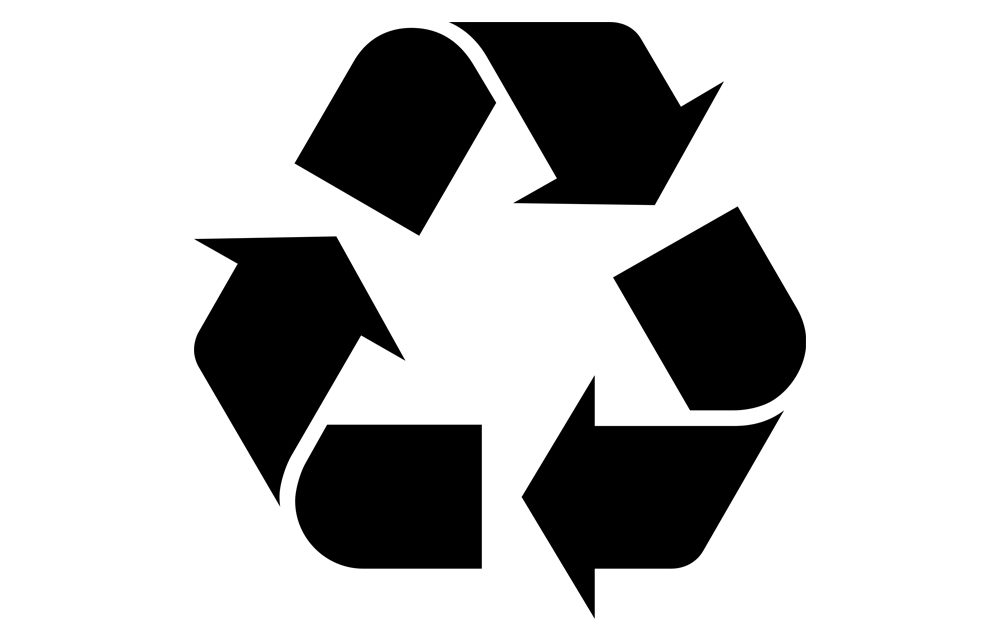
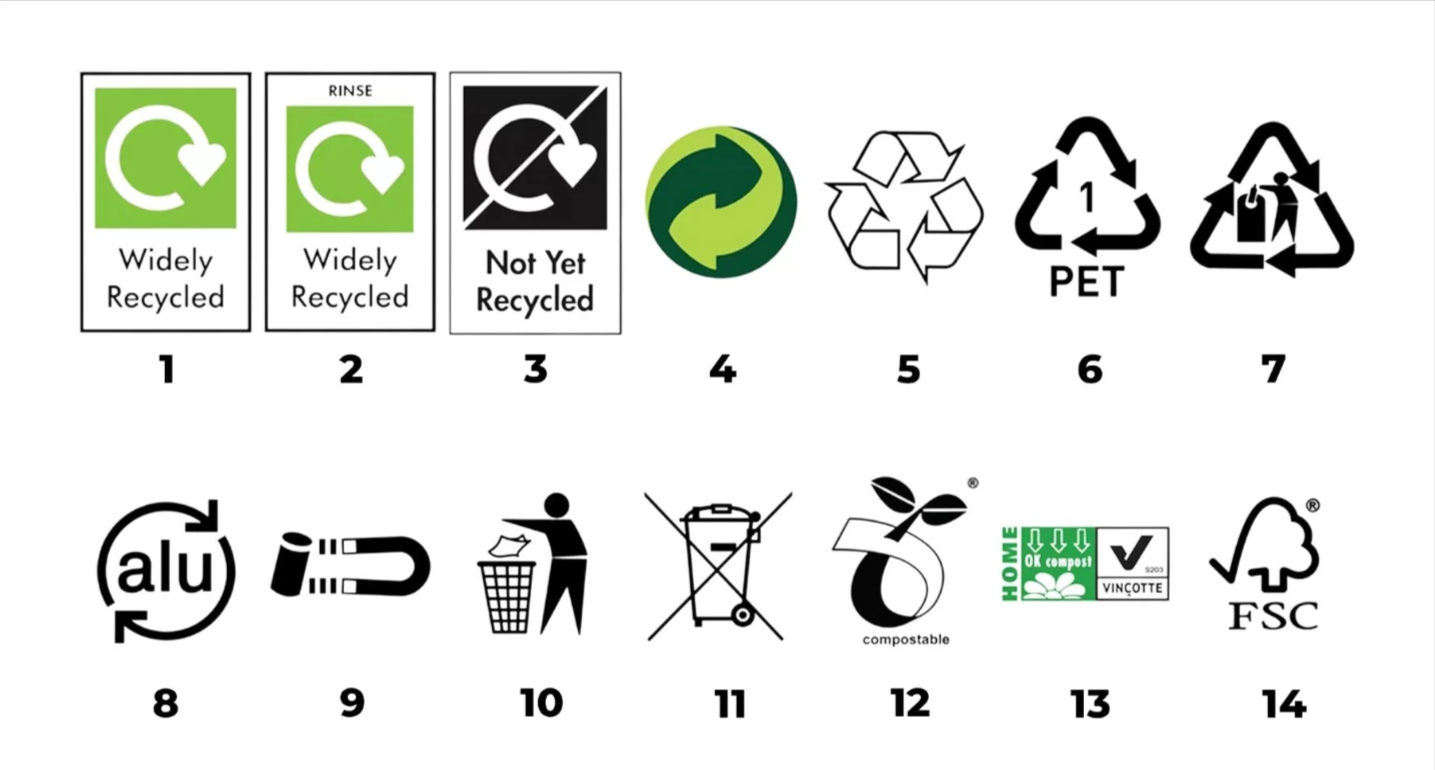
This triangle of arrows indicates that a product may be recyclable. It does not promise acceptance by recycling systems and should never be read as a disposal instruction.
9. Mobius Loop with Percentage

The percentage shows recycled content, not recyclability. For example, 75% here means 75% of the material used was recycled. It does not mean that the product can be recycled.
10. Green Dot Symbol

This symbol means the producer has contributed to a packaging recovery scheme. It does not describe material type, recyclability, or disposal method. It is not a recycling logo.
11. Tidyman Symbol

The Tidyman symbol encourages responsible disposal. It does not provide any information about recycling, material composition, or environmental impact.
12. “Recyclable” Text Label
Text alone can be misleading. Without context, it often refers to theoretical recyclability. It is important to always pair text claims with resin codes and local recycling rules.
Important: Understanding plastic recycling symbols’ meanings prevents contamination and protects recycling systems too.
Compostable and Disposal Symbols
These types of plastic packaging symbols describe specific end-of-life pathways.
13. Industrial Compostable Symbol

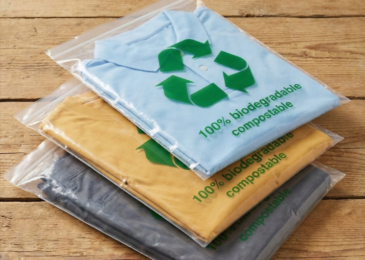
This symbol confirms compostability in industrial facilities only. It does not indicate suitability for home composting or natural environments.
14. Home Compostable Symbol

Home compostable packaging is designed to break down at lower temperatures. Proper composting conditions are still required for successful degradation.
15. Seedling Logo (EN 13432)

This certification confirms compliance with European industrial composting standards. It does not mean the material will break down in soil or water.
Material and Sustainability Indicators
These symbols describe sourcing or impact, not disposal. Misreading them often leads to incorrect assumptions about sustainability.
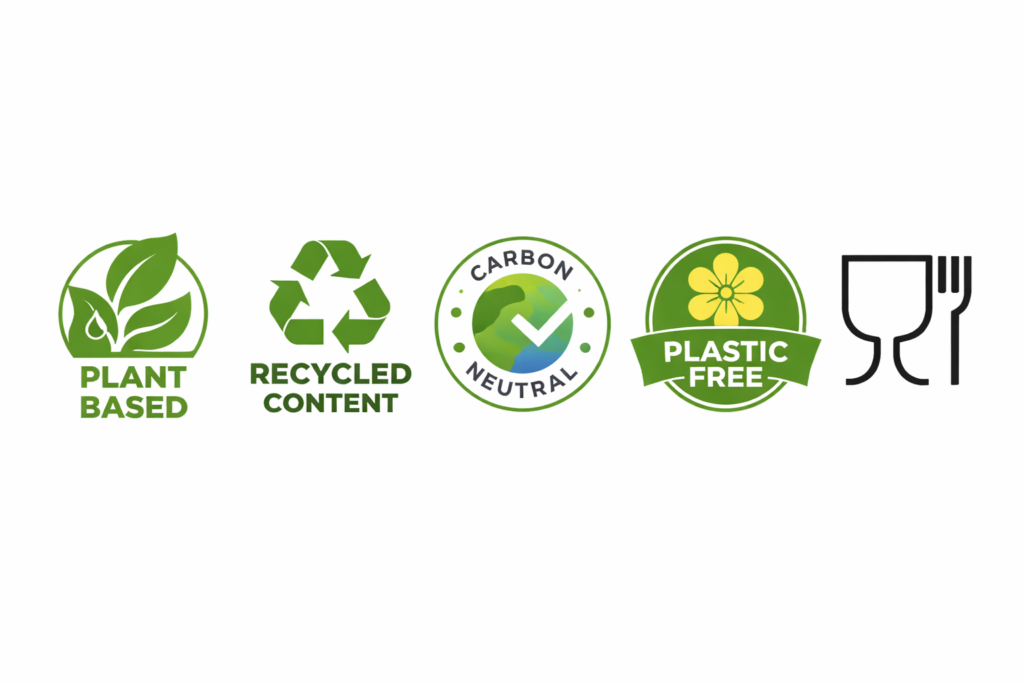
*Actual symbols may vary slightly depending on the certifying organization or region; the meaning of each certification remains consistent despite visual differences.”
16. Plant-Based / Bio-Based Symbol
This symbol shows that the materials come from renewable sources, but that alone does not mean they are biodegradable or can be composted.
17. Recycled Content Symbol
This shows that recycled material was used during production. It does not guarantee recyclability after use.
18. Carbon Neutral Mark
Carbon neutrality relates to emissions offsetting. It does not address waste handling or recycling outcomes.
19. Plastic-Free Claim Symbol
Definitions vary widely. Certification and supporting text are essential to understand what “plastic-free” truly means.
20. Food-Grade Plastic Symbol
This symbol confirms safety for food contact. It does not relate to environmental impact or disposal pathways.
Handling and Usage Symbols on Plastic Packaging
These symbols guide use, not waste management.
21. Microwave Safe Symbol
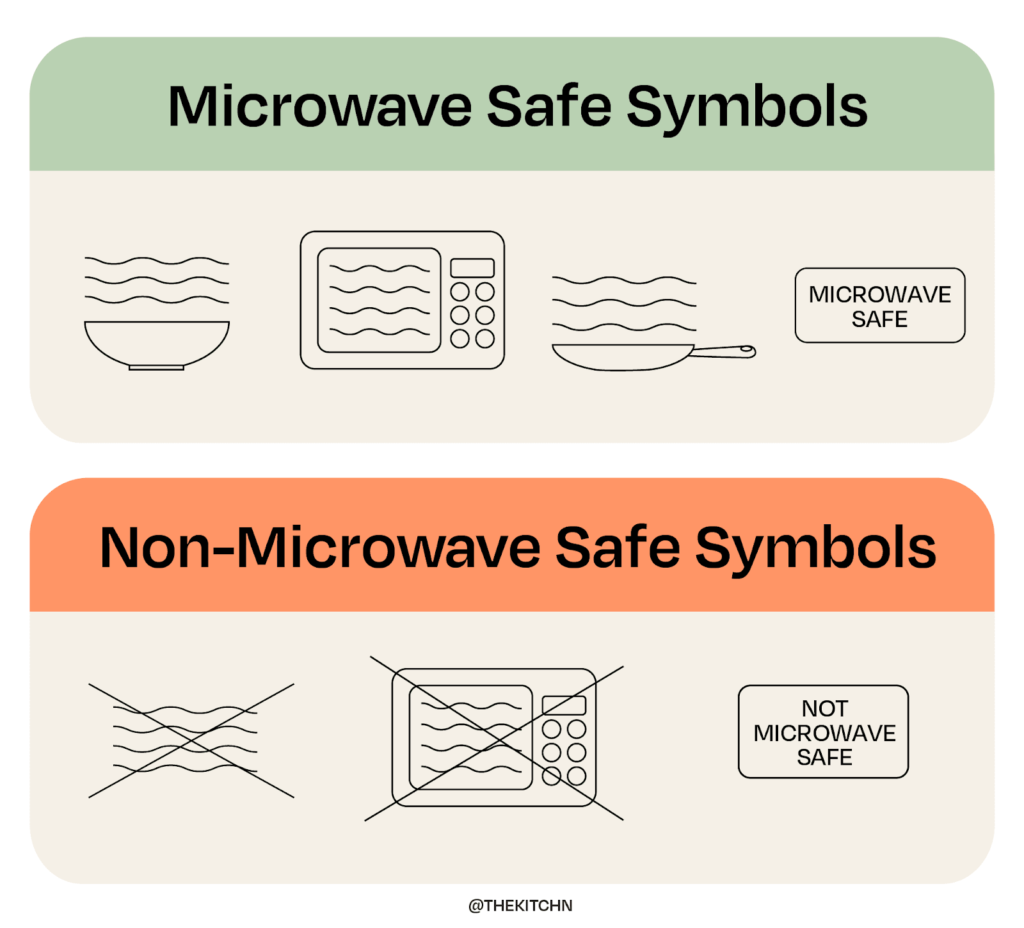
This symbol indicates heat tolerance for microwave use. It has no connection to recyclability or compostability.
22. Freezer Safe Symbol
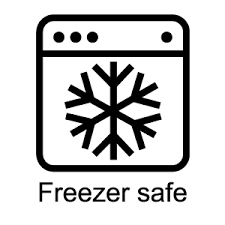
Freezer-safe packaging can withstand low temperatures. This is a performance indicator, not a sustainability one.
23. Heat Resistance Symbol

This symbol confirms tolerance to high temperatures. However, it does not imply environmental safety or reuse suitability.
24. Do Not Reuse Symbol

This warns against reuse for hygiene or safety reasons. It does not guide disposal or recycling.
Getting to Know Plastic Packaging Symbols and What to Do Next
Plastic waste is very much a real issue now. But when plastic packaging symbols aren’t clear, even those who want to do the right thing can end up making the problem worse.
For businesses, wrong labels can also lead to compliance headaches.
What you also need to understand is that reading packaging symbols is more about understanding context than memorizing meanings. So, look at material codes, certifications, and local specifics all together to clear uncertainty.
At Ukhi, this approach shapes every packaging choice we help with, empowering brands and customers to move from confusion to clarity, and from good intentions to real, impactful actions.
FAQs
Are plastic packaging symbols the same globally?
Not always. Many plastic packaging symbols are globally recognized. However, not all symbols are universal. Also, local recycling rules vary by region, which can give a different contextual meaning to the symbols. So make sure you align symbol interpretation with local waste management systems.
Who controls which symbols appear on packaging?
Symbols are governed by international standards, certification bodies, and local regulations. But manufacturers are responsible for correct and truthful use of these symbols.
Do symbols guarantee recyclability?
No. Symbols indicate material or intent. Actual recyclability depends on infrastructure, not labeling.
Can packaging show multiple symbols?
Yes, but clarity is essential. Too many symbols can confuse users and undermine responsible disposal.
Do plastic symbols change over time?
Yes. As materials and regulations evolve, symbols and certifications are updated. Staying informed is part of responsible packaging practice.