
Here is a startling fact: each year, India produces more than 9.3 million tons of plastic waste. It makes India responsible for generating about 20% of the entire global plastic waste.
Here is another fact that is equally surprising – India produces 500 million tons of agricultural waste, such as rice straw, sugarcane bagasse, cotton stalks, and maize cobs, each year.
We are grappling with two issues at the same time: plastic waste and agricultural waste. But what if the latter is a solution to the former?
The rise of agri-waste bioplastics is not just a technical innovation, but a paradigm shift in how we tackle the plastic crisis.
How Big Is India’s Plastic and Agricultural Waste Crisis?
The numbers are gargantuan:
- Per capita plastic waste in India has jumped dramatically from 700 grams in 2017 to 2.5 kilograms in 2020.
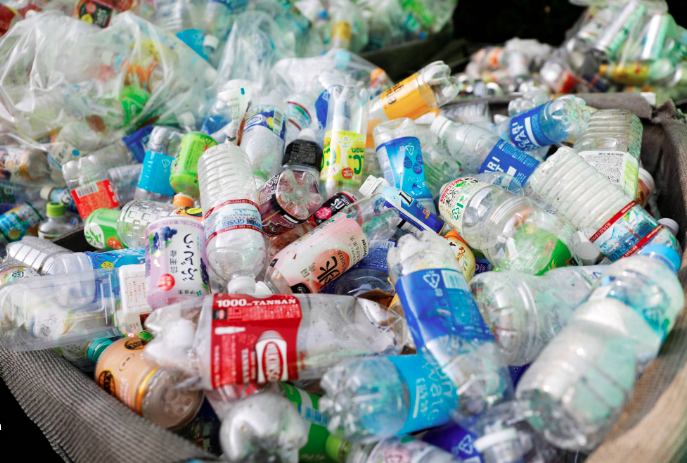
- Only 60% of the 9.3 million tons of waste is collected. The rest are by the roadside, beside train tracks and in fields, and in water bodies.
- Crop residue burning has spiraled out of control, leading to a chronic public health crisis in the Delhi-NCR region. In the rest of India, too, air quality is unhealthy.
In short, our plastic and agricultural waste problems have created a disastrous situation.
Next, let’s see how these two can merge to create real change.
What Is Agricultural Waste and How Is It Turned Into Bioplastics?
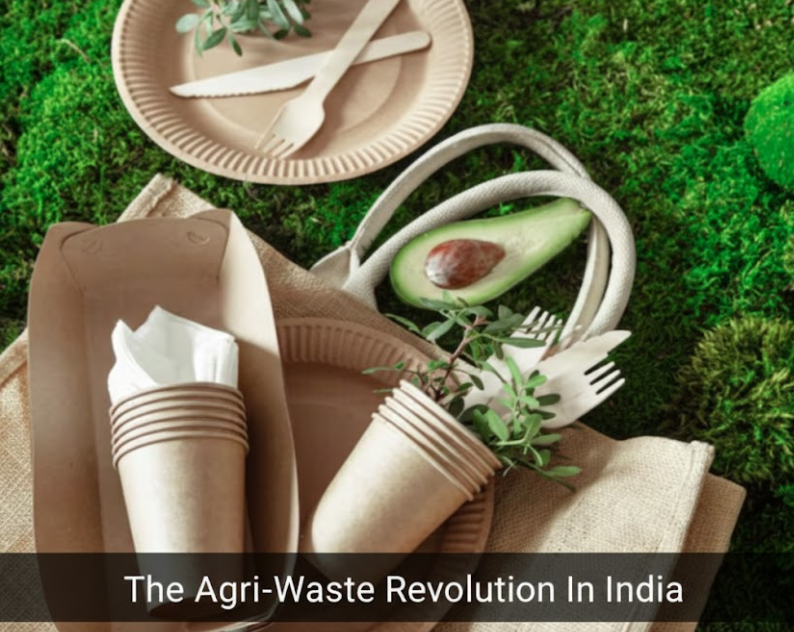
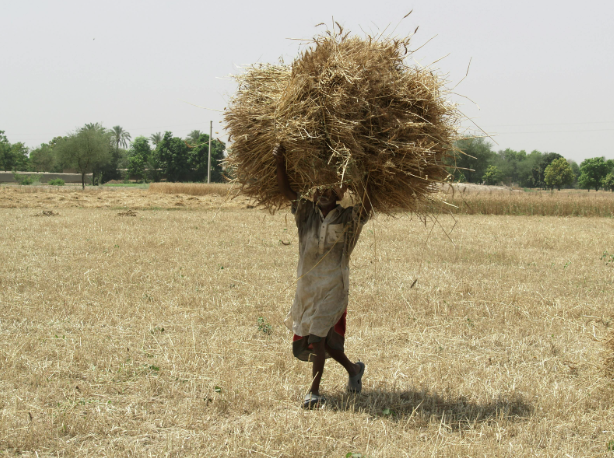
Simply put, agricultural waste refers to residues and byproducts of farming operations. It is now recognized as a valuable secondary raw material for the circular economy.
Examples include –
- Harvest leftovers from wheat, rice, and sugarcane.
- Rice husks, date palm fronds, and vegetable leaves.
- It can also include sawdust, woodchips, and branch trimmings.
Here are a few common pathways to turn agri-waste into bioplastics:
Fermentation
Converting plant sugars from crop residues into PLA and PHAs. This uses bacteria to process the waste and create biopolymers.
Mechanical blending
Mixing natural fibers like wheat straw with biopolymers to make strong, moldable plastics. It is ideal for making plates, packaging, or trays.
Mycelium-based composites
Mycelium is the root part of mushrooms and other fungi. It can bind agricultural waste like sawdust and straw into strong, lightweight, and fully compostable materials.
From Pexels
And this is not theoretical either.
- At IIT Madras, researchers have made packaging from fungi acting on crop waste.
- IIT Roorkee developed compostable tableware from wheat straw.
- Hemp bioplastics are being used to manufacture durable and sustainable packaging.
With each method, the end goal is to create bioplastics from crop residue and reduce reliance on fossil-based plastics.
Who Are the Key Innovators and Success Stories in India?
The good news is, when it comes to bioplastics startups in India, the innovation is not just lab-based. It is being rolled out at scale by companies and farm-driven ventures.
Here are some of the most exciting agri-waste success stories:
UKHI’s EcoGran
We have pioneered a model to convert agricultural waste into biopolymer granules. UKHI EcoGran
is 30% less expensive than its imported counterparts. The effort also supports farmers in India by purchasing the residue at a fair price. As the leading bioplastics manufacturer in India UKHI is on the road to producing 100,000 tonnes of production a year by 2030.
TGP Bioplastics
A Maharashtra-based venture that produces ISO-certified starch, cellulose-based films, and bags. Founded in 2018, the company aims to provide compostable alternatives to single-use plastics.
Yash Pakka
An Indian MNC that has diversified from a paper mill to export and produce compostable packaging to 40 countries. Their brand CHUK uses bagasse to make compostable food trays and cutlery.
These examples show that when technology, leadership, and intentions align, it is possible to successfully take agri-waste bioplastics production from pilot projects to large-scale production.
Now, let’s look at the policy initiatives that are a catalyst for growth.
What Policies Are Driving India’s Agri-Waste Bioplastics Revolution?
The policy landscape has shifted nationally and helped the agri-waste bioplastics sector grow:
- The Single-Use Plastic Ban (2022) outlawed 19 widely used disposable items. The list includes plastic sticks, straws, cutlery, packaging, decoration, and banners.
- The 2025 Plastic Waste Management Rules require a QR or barcode for traceability. It has to link to manufacturer details and product info.
- The National Packaging Initiative (2021) aims to boost the domestic packaging sector with a focus on sustainable solutions.
- The new BioE3 Policy (2024) will lend an impetus to the creation of biomanufacturing hubs.
- The Crop Residue Management Scheme will divert surplus residues into bioplastics production.
Simply put, the message is clear – policymakers want innovation and investment in the agri-waste bioplastics sector. It is time for the compostable packaging manufacturers to step up and accept the challenge.
What Challenges Still Need to Be Solved?
There is momentum no doubt. But there are also hurdles to speed up the growth of the agri-waste bioplastics sector. There are barriers to growth in every nascent industry, and agri-waste bioplastics is no exception.
Cost
Today, agri-waste bioplastics cost 3 – 5 times more than traditional plastics. This has naturally slowed down adoption by mainstream buyers.
Scale
The certified players in the agri-waste bioplastics sector manufacture a few thousand tons each year. While it is impressive, given the short time they have taken, there has to be greater output for economies of scale.
Import Dependency
India imports 70% of the feedstock for biopolymers. Boosting domestic production of PBAT and PLA is a must if compostable packaging manufacturers have to price their product competitively.
EOL Infrastructure
While agri-waste bioplastics are naturally compostable, it helps if there are composting facilities. This is where India severely lags.
Certification
IS and ISO standards do not always clearly differentiate between bio-based and fossil-based compostables. Odisha has implemented rigorous standards, and this has to be followed through in the rest of the country.
But it’s not entirely bleak. The right blend of investment, education, and infrastructure will help the agri-waste bioplastics sector scale quickly.
The Future Of Agri-Waste Bioplastics Sector In India
The growth of the agri-waste bioplastics sector in India is not just a technological shift. It is a move away from how things have been done to how they should be. Reducing reliance on petrochemical products and substituting them with agri-waste bioplastics is vital for the nation and the health of its citizens.
With policy momentum, India is poised to lead this change. Our vast agricultural base and a highly technocratic startup ecosystem will prove that the plastic crisis can be solved using byproducts from the ground we walk on.
The revolution in the agri-waste bioplastics sector has begun, and the question is not if the change will happen but how quickly Indian bioplastics manufacturers can entirely replace plastic.
Frequently Asked Questions
What is the role of agricultural waste in India’s bioplastics sector?
India generates 500 million tons of agricultural residue. It acts as a feedstock for the growing agri-waste bioplastics sector. Currently, the industry is valued at $450–500 million.
Are bioplastics from agri-waste biodegradable in Indian conditions?
Yes, they are. Most of India is hot and humid, and it helps in biodegradation. Indian companies and labs focus on technology and products that will work in India. UKHI’s EcoGran, for example, easily and fully breaks down, leaving no harmful residues.
How is India addressing plastic waste with bioplastics?
There is a multi-pronged approach:
- Certification mandates like IS and ISO 17088
- Policy initiatives that require bar code tracking of plastic packaging
- State-of-the-art R&D centers at IIT-M and TERI
Which agri-waste materials are best for bioplastics production in India?
In India, rice husk, sugarcane bagasse, corn stover, and fruit/vegetable peels are ideal feedstock for the agri-waste bioplastics sector. They contain plenty of starch and cellulose for bioplastics manufacturing.
What types of bioplastics can be made from agricultural waste?
Agricultural waste can be transformed into various bioplastics, such as:
- Starch-Based Polymers
- Polyhydroxyalkanoates
- Polylactic Acid (PLA)
- Cellulose-Based Polymers
- Polybutylene Succinate
- Cellulose Acetate