
The world now produces over 430 million tons of plastic annually.
Nearly two-thirds of that becomes waste within the same year. The scale of the problem is far beyond what recycling alone can solve.
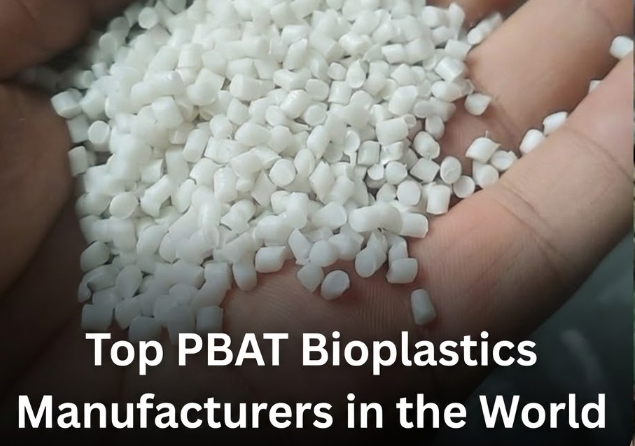
This is pushing industries to look seriously at biodegradable polymers, particularly PBAT. It combines the flexibility of traditional plastics with the degradability of compostable alternatives.
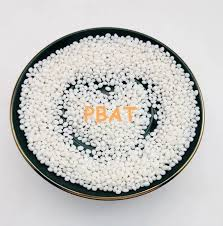
PBAT (polybutylene adipate terephthalate) is not just another trend.
It is one of the few materials that can functionally replace conventional plastics. When I speak to people about PBAT, one of the most repeated questions I get is:
“Who are the most reliable PBAT manufacturers globally?”
This list is meant to be a clear, unbiased starting point. In this list, I’ve included PBAT manufacturers who are leading, and making a difference:
How I Evaluated the PBAT Bioplastics Manufacturers
Selecting the top 12 companies required more than looking at scale.
PBAT is an evolving sector. Impact depends not only on production volume but also on how companies innovate.
Here are the top factors I considered:
- Annual production capacity, stability of supply, and ability to meet commercial volumes consistently.
- R&D depth and focus on polymer science to push PBAT beyond basic blends, with improved mechanical properties, composting performance, and bio-based content.
- Compliance with ASTM D6400, EN 13432, OK Compost, and other regulations/standards
- Ability to supply worldwide, maintain strong converter relationships, and ensure dependable logistics.
- Materials that have been extensively tested across packaging, agriculture, and consumer goods.
- Genuine environmental concern showcased through responsible sourcing and transparent data on composting outcomes.
Using these parameters, I’ve created a list that reflects the global PBAT ecosystem in 2025.
Top PBAT Manufacturers in the World
The top PBAT bioplastic manufacturers I’ve selected are divided into the following categories:
Top PBAT Brands
These are the PBAT brands shaping the direction of the global industry
1. BASF SE
Location: Germany
Established in: 1865
BASF is the most influential player in the PBAT category. They are known globally for ecoflex® and ecovio®. Their flagship materials are considered the benchmark for compostable films. This is all thanks to their decades of polymer R&D and exceptionally consistent batch quality.
2. Novamont S.p.A.
Location: Italy
Established in: 1989
Novamont produces the Mater-Bi family of PBAT-based biopolymers. These are widely used across Europe for packaging and bags. Their main strengths are their integrated circular model, combining biorefineries, composting partnerships, and agricultural collaborations.
3. Mitsubishi Chemical Group
Location: Japan
Established in: 1933
Mitsubishi develops PBAT-blend materials with strong tensile and elongation performance, suitable for demanding film applications. Their global supply network and engineering-driven approach make them a dependable partner.
4. Kingfa Sci. & Tech.
Location: China
Established in: 1993
Kingfa has rapidly scaled its PBAT production and supplies large volumes to converters across Asia and Europe. Their focus on affordability and processing-friendly materials has made PBAT adoption easier in cost-sensitive markets.
Emerging Innovators
These companies are not the largest in the world, but they are shaping the future of PBAT.
5. Ukhi
Location: India
Established in: 2019
A fairly younger brand on the global PBAT map, at Ukhi, we are known for our PBAT-compatible biopolymer blends. They turn agricultural waste (things like hemp, nettle, flax, rice husk) into biopolymer granules. That helps reduce not just carbon footprint, but costs too.
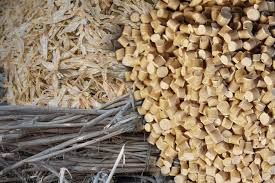
Our EcoGran™ material supports rural economies while enabling brands to switch to compostable products without performance compromise. Our goal is to offer a credible alternative to petroleum-based plastics, especially in regions where agricultural waste is abundant and regulation is tightening on single-use plastics.
6. Green Dot Bioplastics
Location: United States
Established in: 2011
Green Dot specializes in PBAT blends designed for consumer goods and flexible packaging. Their PBAT + PBS and PBAT + PLA compounds offer tailored mechanical properties for brands needing more than commodity-grade biodegradable materials.
7. JinHui Zhaolong High Tech
Location: China
Established in: 2003
JinHui is one of China’s oldest PBAT producers and a major supplier of compostable bags and agricultural films. Their scale and competitive pricing make them a great option if you are looking for a higher supply volume.
8. FKuR Kunststoff GmbH
Location: Germany
Established in: 2003
FKuR produces specialized PBAT-based biodegradable compounds, which is very well-known for their excellent processing stability. Their materials are widely used by European converters that need consistent performance across premium applications.
Location-Wise PBAT Leaders
These are regional leaders driving real-world adoption with localized support and regulatory expertise.
9. Danimer Scientific
Location: United States
Established in: 2004
Danimer is recognized for its work in PHA but also supplies PBAT-based solutions for flexible packaging. They collaborate with major consumer brands and focus on next-generation biodegradable polymer systems.
10. Biotech GmbH
Location: Germany
Established in: 1992
Biotech manufactures PBAT-integrated biodegradable compounds widely used in European film production. Their formulations are optimized for regions with strict compostability standards and strong organic waste systems.
11. Avani Middle East
Location: United Arab Emirates
Established in: 2018
Avani Eco Middle East manufactures PBAT-based compostable packaging solutions tailored for the regional market, including bags and films certified for industrial composting. The company leverages PBAT blends to meet Middle East sustainability regulations, supplying retailers with high-performance alternatives to traditional plastics.
12. SK Chemicals
Location: South Korea
Established in: 1969
SK Chemicals produces PBAT-blend biodegradable polyesters used in packaging, agricultural films, and consumer applications. Their strong regional supply network makes them a preferred choice across Asia and the Middle East.
Getting Started with Bioplastics
PBAT is rapidly gaining ground as one of the most practical and scalable alternatives to traditional plastics.
Whether you are a brand owner, packaging manufacturer, or sustainability-driven startup, understanding who leads the industry helps you make informed decisions. Now that you know the most reliable PBAT manufacturers in the world, the path is clear.
This is the moment to reduce your plastic footprint. This is the moment to make the switch. With Ukhi’s EcoGran, made of hemp, nettle, and flax residue you are not just making an eco-conscious choice but also boosting rural income and cutting wastage at the production and supply-chain stages.
So, don’t wait and get started with one of these PBAT manufacturers today.
FAQs
1. Can PBAT be used at high temperatures?
PBAT works well for most uses of flexible film. But it doesn’t work well at high temperatures. This is because it starts to break down about 110–120°Celcius. PBAT is usually mixed with PLA, PBS, or other polyesters to make it more stable at high temperatures for heat-resistant packaging or hot-fill processes.
2. What makes the price of PBAT materials go up or down?
The price of PBAT depends on the price of oil, the amount of bio-based content, the additives, the certifications, the size of the manufacturer, and how easy it is to find in your area. Bringing in PBAT generally means paying extra taxes and shipping charges. Mixing PBAT with polymers made from agricultural waste can cut prices by a lot without hurting performance.
3. Can PBAT be processed on regular LDPE/LLDPE film lines?
Yes, most PBAT and PBAT-blend materials can be processed on standard blown-film equipment. Minor adjustments to temperature profiles and cooling settings are often needed. This is the key reason PBAT is a practical alternative to conventional plastics.
4. Are PBAT products compostable at home or do they need industrial composting facilities?
Most PBAT resins are certified for industrial composting because they require controlled heat and microbial activity. Some blends may break down in home composting, but you should always check the specific certification (“OK Compost HOME”).
5. How should I compare PBAT grades from different manufacturers?
To compare PBAT grades, check across factors like
- Melt flow index
- Tensile strength
- Elongation
- Oxygen barrier properties
- Compostability certifications
- Batch consistency
- Supplier technical support
You should also check how well the material runs on your existing equipment.