

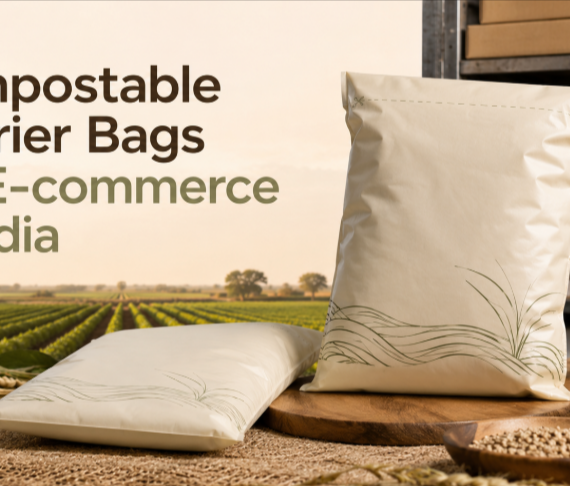
Compostable courier bags for e-commerce in India
Every single day, Indian eCommerce companies ship more than 8 million parcels. Mostly in thin plastic courier bags that get used once and then thrown away. That bag takes 100 to 500 years to break
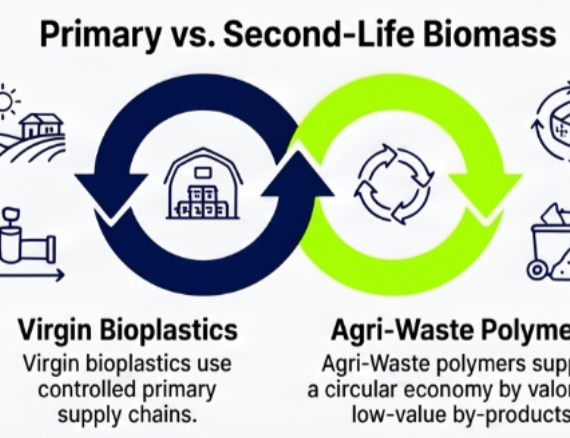
Agri-Waste Polymer vs Virgin Bioplastic
A virgin bioplastic is a newly produced bioplastic resin made from renewable feedstock such as corn, sugarcane, starch, cellulose, or other biomass. It has not been recycled or reprocessed. An agri-waste polymer uses agricultural residue
Cast Film vs Blown Film for Compostable Packaging
Quick Answer The choice between cast film and blown film for compostable packaging is more than about which process is better in every case. Cast film works better when a brand needs clarity, gloss, smooth
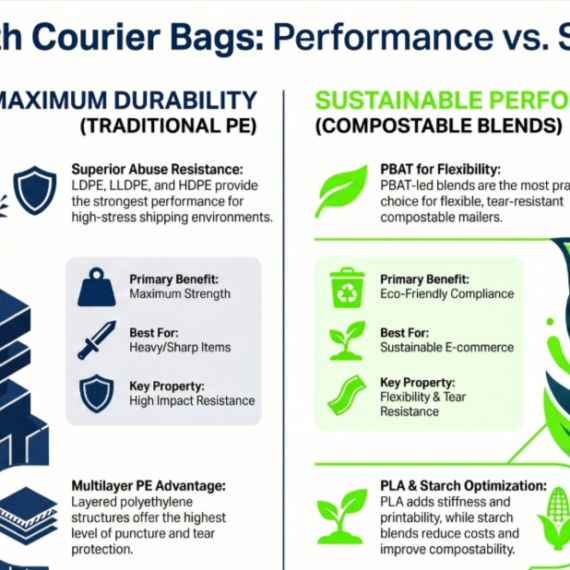
High-strength courier bag material comparison
For a long time, brands have relied on traditional plastics like LDPE, LLDPE, HDPE, or multilayer PE for the strongest courier bag performance. But compostable courier packaging with bioplastics like PBAT are also a practical
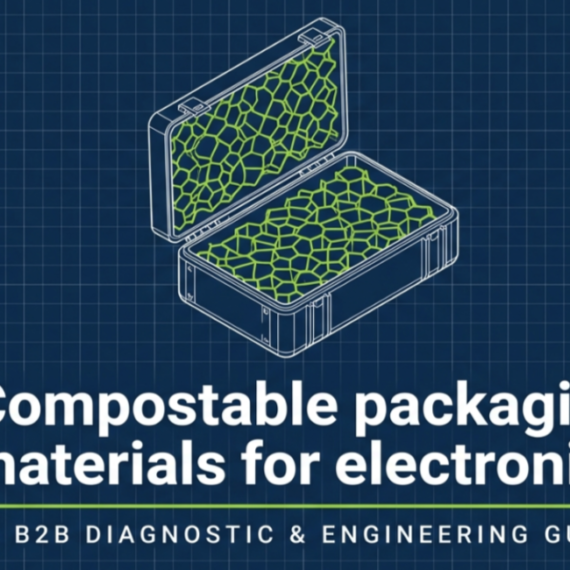
Compostable packaging materials for electronics
The short answer Molded pulp, mycelium foam, PLA-based film, and kraft corrugated are the four materials suitable as compostable electronics packaging. Each covers a different protection function. None of them cover all. Molded pulp handles
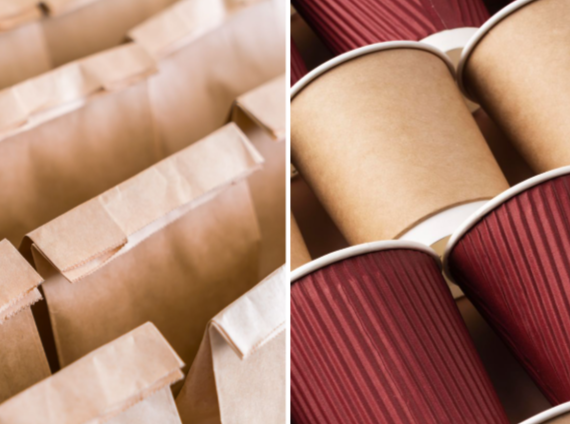
Paper vs Biopolymer Coating for Barrier Packaging
Quick Answer When you compare paper and biopolymer coating for barrier packaging, the answer is simple. A polymer coating becomes necessary when paper has to hold or protect products that are oily, moist, frozen, aromatic,
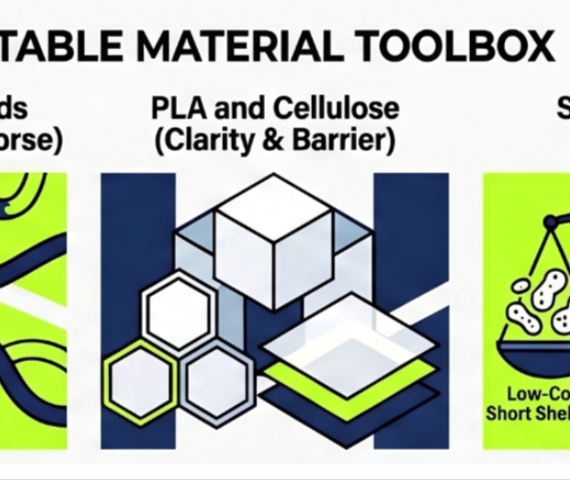
Best compostable film material for packaging
A compostable bioplastic film is only useful if it protects the product first. A buyer replaces plastic film with a compostable film, but the pack then leaks, tears, fogs, blocks on the machine or shortens
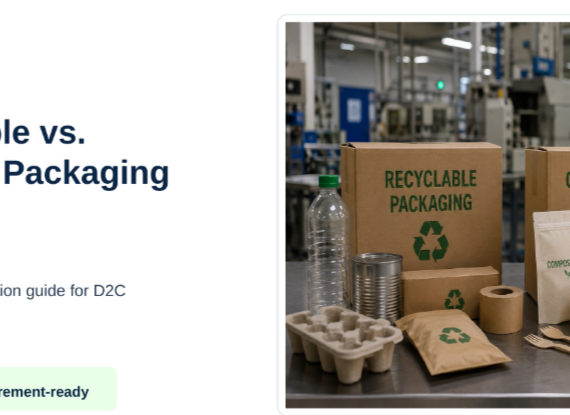
Compostable vs recyclable packaging for D2C
Quick Answer For most D2C brands, recyclable packaging is the practical default. Compostable packaging becomes the better choice when the product, format, or disposal route makes recycling unrealistic. Recyclable packaging is chosen for clean and
Carbon impact: agri-waste polymer vs. LDPE
Quick Answer In simple terms, agri-waste polymer vs. LDPE is a comparison between renewable residue-based carbon and fossil carbon. LDPE is made from oil or gas-derived ethylene. It typically has a cradle-to-gate carbon footprint of
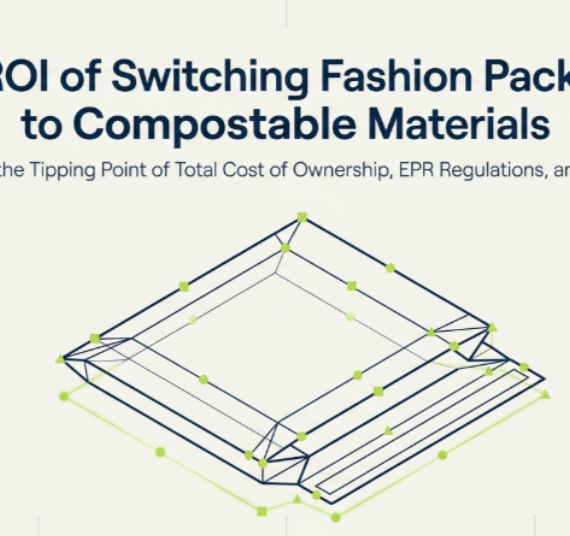
ROI of switching fashion packaging to compostable materials
A fashion brand once told us they are switching to compostable mailers because of a viral TikTok. A customer filmed unboxing her dress, and the polybag didn’t tear even after 60 seconds of trying. That