
If you work in fashion, you know what you choose to wrap your product in says as much about your brand as the product itself.
Sustainable fashion and its packaging is a business decision. The right choice can cut costs, ease regulatory headaches, and even lift your brand value.
But there’s a lot of confusion out there. You might be weighing plastic, paper, and bioplastic options and wondering which one works best for bulk shipping or branded e-commerce in India vs the UK or US.
Let’s break it down using data and some practical examples.
We will compare the cost of bioplastic, paper and plastic packaging and then see if all the new packaging rules change the math.
What drives packaging cost in fashion today?
First, we need to realize that the cost of fashion packaging is about much more than the price of a single bag or box.
Here’s how the total cost stacks up:
- Raw material cost: Plastic, biopolymer, or paper bag or mailer in question.
- Printing and branding: High-quality prints, matt finishes, window features add to both the cost and the customer experience.
- Shipping and logistics: Heavier packaging (like paper) drives up your freight bill and lighter films (like LDPE or PBAT) keep costs down.
- Compliance and taxes: Here’s where geography matters. In India, you pay EPR fees on plastic. In the UK, there’s a steep Plastic Packaging Tax. In the USA, the rules change state by state.
So, the cost drivers shift across regions.
In India, labour and logistics are competitive. But regulatory compliance can catch you off guard if you don’t plan ahead.
In the UK, regulatory fees can be the deciding factor. Even a small change in material composition can swing your annual packaging budget by thousands of pounds.
In the US, state by state rules mean you need a flexible approach. What works for New York might not fly in California.
All these layers mean that focusing only on unit price can be misleading. But what’s the total landed cost per product, delivered and compliant?
Let’s put some numbers to these materials.
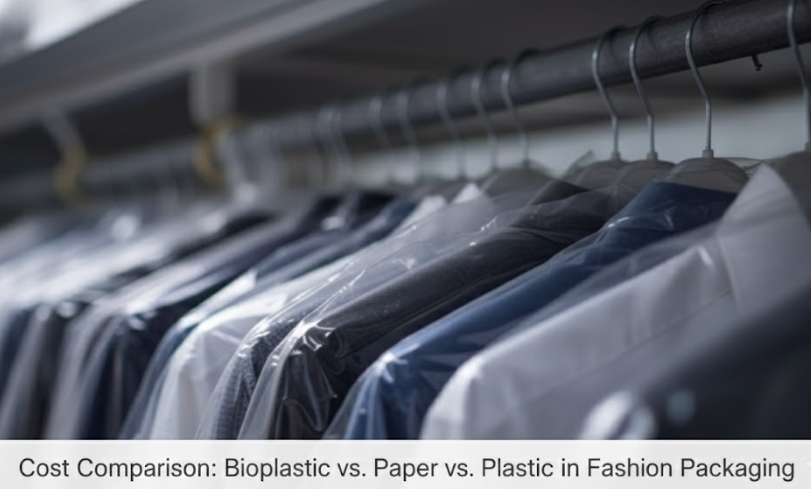
Bioplastic vs Paper vs Plastic: Packaging cost
Every week, I talk to brand managers and sourcing leads who ask: Is bioplastic really more expensive than paper or plastic? The answer is nuanced but the gap is closing faster than many think.
Let’s look at the latest general B2B rates for bulk packaging:
| Material | India: Price per kg | UK/US: Price per kg (USD) |
| Plastic (LDPE, BOPP) | ₹100-125 | $1.2-1.5 |
| Bioplastic (PLA, PBAT) | ₹110-150 | $2.0-2.5 |
| Kraft Paper/Cardboard | ₹30-36 | $0.40-0.50 |
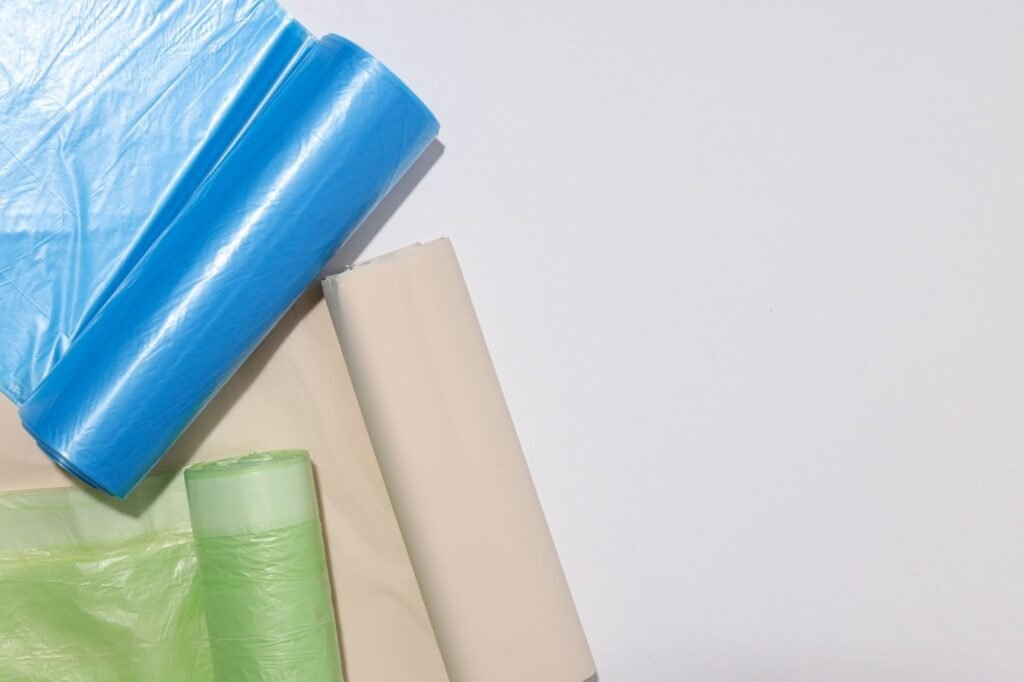
On the surface, plastic is still the cheapest. Bioplastics carry a 20-50% premium in India and up to 2 times in Europe or the US.
Paper looks cheapest per kilo. But you need much more paper by weight to match the strength and utility of a thin film in sustainable clothing packaging.
For example:
- A typical poly mailer (bioplastic or plastic) weighs 10-15g per garment.
- A comparable paper mailer might weigh 35-40g so shipping and storage costs add up fast.
But price per kilo is not the only one to consider. Taxes and compliance can tilt the balance in favor of sustainable fashion packaging like paper and bioplastics.
Which regulations add hidden costs in India, the USA, and the UK?
This is where many fashion brands slip up. Regulatory costs can add up quickly.
India:
- The Plastic Waste Management Rules (2021-25) ban most single-use plastics below 120 μm thickness.
- You pay EPR fees (₹1-2/kg of plastic) to fund collection and recycling.
- Compostable materials (like PBAT blends or certified bio-based films) are exempt from the worst bans.
United Kingdom:
- From 2023, any plastic packaging with less than 30% recycled content faces a Plastic Packaging Tax: £223.7/tonne ($0.27/kg).
- EPR fees are high. Amber level plastics face about £423/tonne in disposal costs.
- Paper and board packaging pay lower fees, and some compostables can qualify for relief.
USA:
- No federal tax (yet), but several states have rolled out EPR laws and bans on certain bags and films.
- In California, Maine, Oregon, and a growing list, reporting obligations and per-tonne fees are on the horizon.
Compliance costs are lower than in the UK or India for now, but shifting fast.
The bottom line is that if you’re exporting or selling in more than one region, these hidden regulatory costs can outweigh raw material price differences within a year. Sustainable clothing packaging often pays for itself through lower EPR or tax exposure, especially in the UK and, increasingly, India.
Yet, even with all the compliance in the world, brands must balance cost against consumer expectation.
Do shoppers value sustainable packing in fashion?
Sustainable fashion packaging is also judged by customers often in the first three seconds of unboxing.
After going through multiple surveys and speaking to brand managers, the pattern is clear.
Everyone likes sustainable packaging, but what they are willing (or able) to pay for it varies by region and age group.
PwC’s 2024 survey of 20,000 consumers from across 31 countries found that some consumers were willing to pay an average premium of about 9.7 percent for sustainable products.
McKinsey and other studies show roughly half of consumers will pay a small premium for sustainable packaging. A 2025 US consumer report found about 43 percent of shoppers would pay extra for sustainable packaging. 90 percent participants also said they would be more likely to buy from brands with sustainable packaging.
Sustainable fashion packaging has also moved from “nice to have” to “must have” in many premium brands and younger shoppers.
So, customer expectations are converging in one way. They want packaging that looks responsible.
But they don’t want to feel like they’re paying for it blindly.
That’s exactly why I always tell brands to separate three things:
- What customers say they want (survey intent)
- What they actually pay for (willingness to pay behaviour)
- What they punish (plastic packaging that feels wasteful)
Next, let’s look at when bioplastic packaging actually delivers best value in practice and what business owners should consider before making the switch.
When does bioplastic deliver the best value for fashion brands?
As someone who has worked on both the production and the buyer sides of the sustainable clothing packaging business, I can say the right time for shifting to sustainable fashion packaging is now.
Regulatory and consumer pressure is high.
If you’re supplying to the UK or EU, the plastic tax on virgin polymers, combined with strict EPR rules, can eat up any savings you make by choosing the cheapest plastic film.
In India, EPR compliance and bans on certain plastics make the business case for compostable and certified bioplastic bags much stronger, especially for export.
Ukhi is helping brands catch up to both regulatory change and rising consumer expectations by reducing the cost of sustainable packaging.
You can access sustainable fashion packaging that meets all the international standards without retooling or investing in new machinery.
| Pack Type | Size | EcoGran™ Unit Cost | Conventional Plastic Unit Cost |
| Transparent Garment Bag | 12″ × 15″ + 2″ flap | INR 1.48 (USD 0.016) | INR 2.90 (USD 0.016) |
| Opaque Courier Bags | 10″ x 12″ | INR 0.08 (USD 0.001) | INR 2.00 (USD 0.02) |
And thanks to local feedstock and manufacturing efficiencies, our packaging items like compostable garment and mailer bags made from EcoGran™ biopolymer land at or even below the cost of conventional plastic.
FAQs
- Why is bioplastic gaining ground over plastic and paper in sustainable clothing packaging?
Bioplastic combines compostability, global compliance, and improving cost parity with plastic, which helps brands meet new fashion packaging regulations and customer demands.
- What is the cheapest type of sustainable clothing packaging material available?
Plastic is generally the lowest cost packaging material on a per unit basis. But bioplastics can be the cheaper sustainable fashion packaging material from paper.
- How do packaging costs compare for bulk garment and mailer bags?
Bioplastic garment bags from Ukhi now match or undercut plastic in cost, while paper bags remain more expensive due to weight and logistics.
- Does switching to sustainable fashion packaging raise costs for brands?
Not always, bioplastic options like Ukhi’s can now match plastic costs.