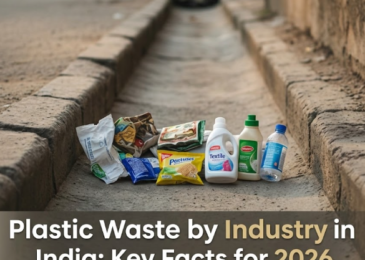

Packaging is currently the largest driver of global plastics use.
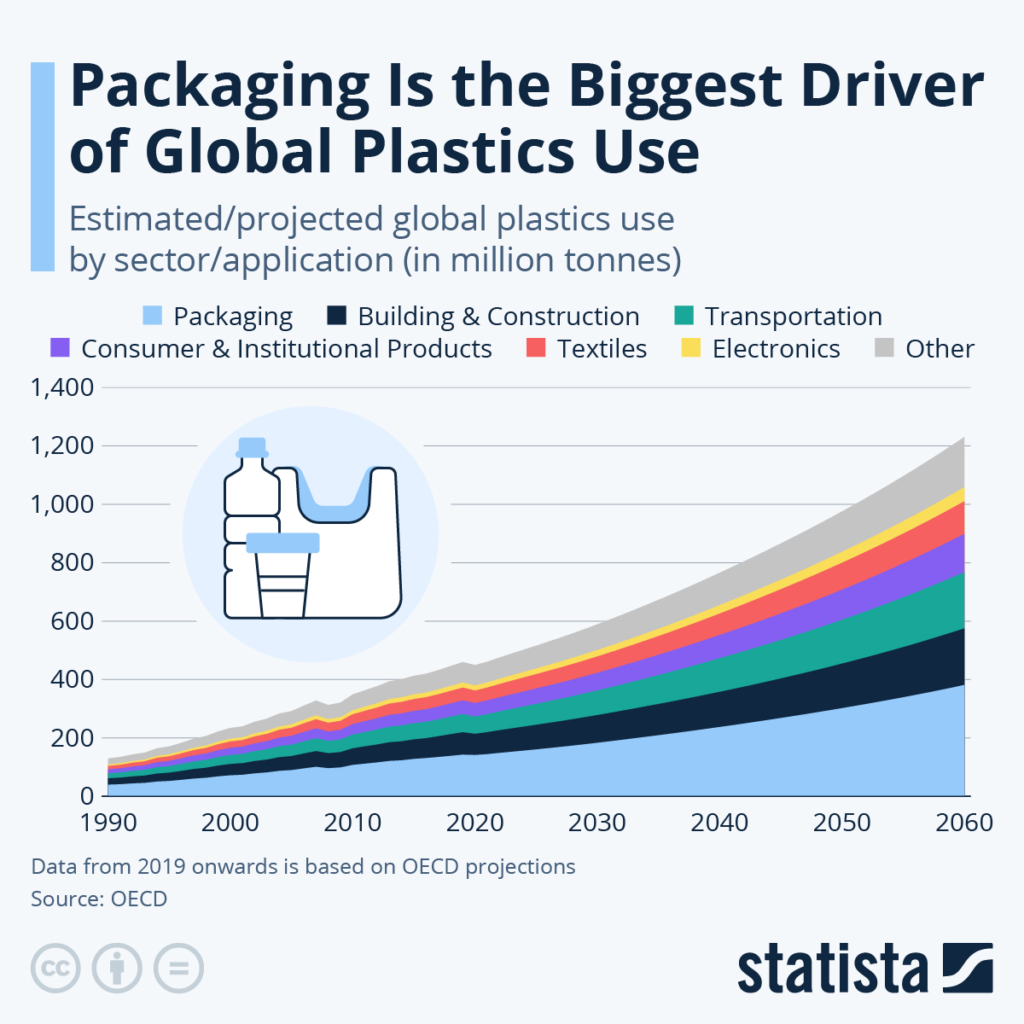
In fact, 180 billion polybags are used annually for clothing packaging. That’s roughly 60,000 tons of plastic packaging waste generated every single year by the fashion industry alone.
When we look at garment bags for clothes, we often see them as a “necessary evil” to keep fabric pristine. But we’ve reached a tipping point where the “cheap” cost of traditional plastic garment bags are a fiscal and environmental illusion.
However, though we need to switch to sustainable packaging for clothing, it is easier said than done. In this blog, I’ll help you explore options and select the one that works best for your customers, your budget, and the planet.
What Are Garment Bags Really Meant to Do?
Before we talk about materials, we have to talk about utility. A garment bag isn’t just a “sack” for a shirt; it’s a controlled micro-environment that protects fabric from dust, pests, light exposure, and physical stress during transit or storage. The right bag must balance three things: barrier protection, structural strength, and airflow control. But there’s more that needs to be considered:
- Sustainability & Legal Mandates: If you are exporting garments to the US, EU or the UK, you’re facing Extended Producer Responsibility (EPR) fees and strict plastic taxes.
- The Customer’s “Unboxing” Psychology: Your customer is smarter than ever. When they receive a high-end dress in a crinkly, static-heavy garment bag plastic, it cheapens the brand. They want sustainable clothing packaging that feels premium, looks clear, and most importantly doesn’t leave them with “trash guilt.”
- The Bottom Line (Cost): Let’s be blunt: cost matters. But you have to look at the total cost. A cheap bag that causes a $200 silk saree to yellow in storage, or triggers a massive customs fine for non-recyclable plastic, is the most expensive bag you’ll ever buy. Real business logic favors materials that scale without hidden liabilities.
Let’s see what are your options when it comes to garment bags for clothes.
The Most Common Materials Used in Garment Bags
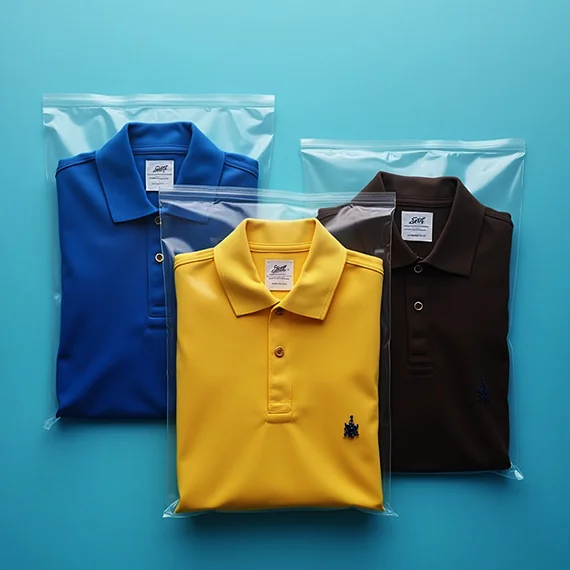
The most widely used material for garment bags for clothes is conventional plastic. Walk into any warehouse or retail store and you’ll see stacks of clear garment bags made from thin polyethylene. It dominates because it is cheap, widely available, and easy to manufacture at scale.
But plastic is not the only option.
If you are serious about upgrading your garment bags for storage, sustainability, and safe exporting, here are the top alternatives worth evaluating.
1. Fabric Garment Bags (Cotton/Canvas)
Fabric garment bags are typically made from cotton, canvas, or blended textiles. They are common in premium retail environments and for wedding wear storage. They allow natural airflow and provide excellent protection in garment bags hanging formats.
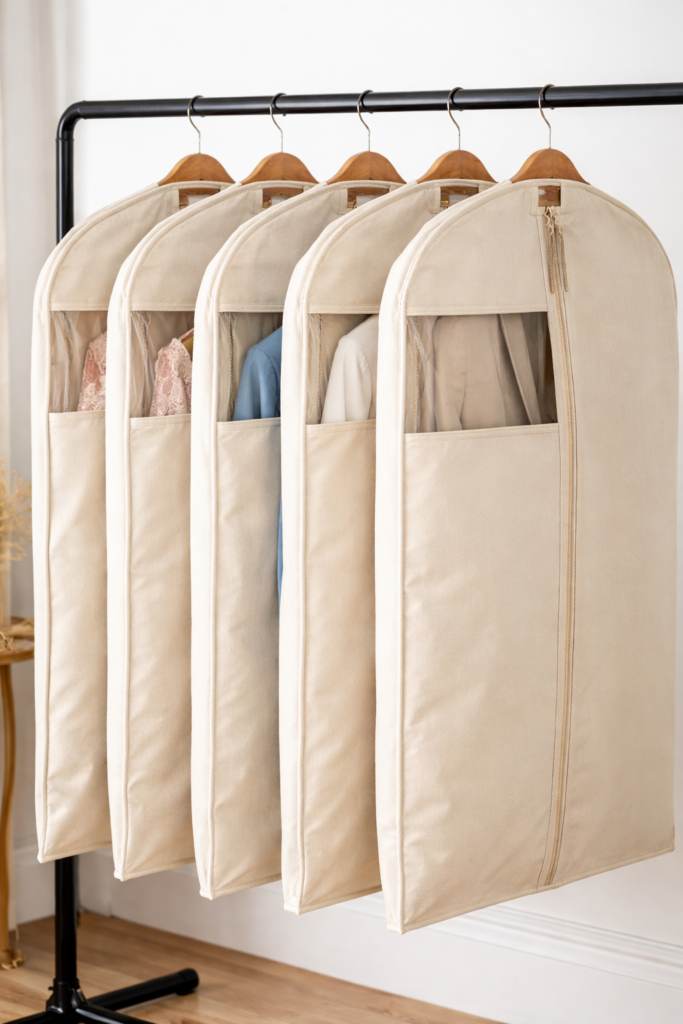
However, they are bulkier and more expensive than plastic. They are also not waterproof.
From a sustainability lens, natural cotton bags can support sustainable clothing packaging, but their environmental footprint depends on sourcing and reuse cycles.
Fact Sheet
| Parameter | Details |
| Material | Cotton / Canvas |
| Biodegradable | Yes (natural fibres) |
| Compostable | Yes (if untreated) |
| Recyclable | Not standard recycling |
| Reusable | Yes |
| Breathability | High |
When to use this option:
- Premium occasion wear
- Bridal or heirloom garments
- Long-term breathable storage
2. Non-Woven Polypropylene (PP)
Non-woven PP looks like fabric but is plastic-derived. It is widely used for structured garment bags hanging in retail stores. It is stronger than thin plastic film and offers moderate airflow.
However, it is still plastic-based. It does not meet the standards of biodegradable clothing packaging or compostable clothing packaging.
Fact Sheet
| Parameter | Details |
| Material | Spunbond Polypropylene |
| Biodegradable | No |
| Compostable | No |
| Recyclable | Limited |
| Reusable | Yes |
| Breathability | Moderate |
When to use this option:
- Mid-range retail packaging
- Reusable suit covers
- When structure matters more than sustainability
3. Biodegradable Biopolymer Blends (PLA/PBAT-Based)
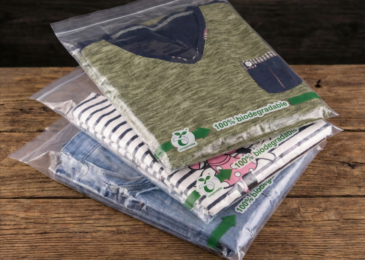
This category includes certified biodegradable fashion packaging made from plant-based and biodegradable polymer blends. These materials are engineered to break down over time through microbial activity.
High-quality biodegradable clothing packaging can match plastic in durability while offering improved end-of-life performance. Breathability can also be engineered into the film.
Most of these options are compostable in industrial settings, but not always at home.
Fact Sheet
| Parameter | Details |
| Material | PLA/PBAT Blend |
| Biodegradable | Yes |
| Compostable | Industrial compostable (varies) |
| Recyclable | No |
| Reusable | Yes |
| Breathability | Engineered moderate |
When to use this option:
- Brands transitioning away from plastic
- Export-focused manufacturers
- Compliance-driven packaging upgrades
4. Certified Compostable Biopolymer Films
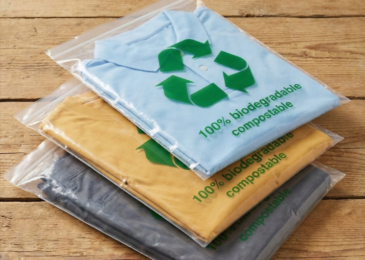
This is the most future-ready material category. Certified Compostable fashion packaging is designed to break down into water, CO₂, and biomass under composting conditions.
Well-designed Compostable clothing packaging allows controlled airflow, which makes it suitable for both folded garments and structured garment bags for storage. Unlike traditional plastic, it aligns with sustainability goals without sacrificing strength.
This is where packaging innovation is moving globally.
Fact Sheet
| Parameter | Details |
| Material | Certified Compostable Biopolymer |
| Biodegradable | Yes |
| Compostable | Industrial; some home compostable |
| Recyclable | No |
| Reusable | Yes |
| Breathability | Controlled airflow |
When to use this option:
- Sustainability is central to brand identity
- Preparing for regulatory shifts
- Long-term responsible packaging strategy
Suggested Read: Want to know what sustainable options are top brands using? Get the inspiration you need here.
Quick Comparison Summary
Here is a clear comparison of the options discussed above:
| Material Type | Breathability | Moisture Protection | Long-Term Storage | Sustainability | Best Use Case |
| Conventional Plastic (LDPE) | Very Low | High but traps humidity | Weak | Not sustainable | Given its environmental impact, it should never be your choice |
| Non-Woven PP | Moderate | Moderate | Good | Plastic-based | Reusable retail |
| Fabric (Cotton/Canvas) | High | Low (not waterproof) | Strong | High if reused | Premium garments |
| Biodegradable Blend (PLA/PBAT) | Moderate | Balanced | Good | Improved sustainability | Transition phase |
| Certified Compostable Film | Controlled airflow | Balanced | Strong | High sustainability | Future-ready brands |
How to Choose the Right Garment Bag
Choosing the right garment bags for clothes is not a design decision. It is a strategic one. Here are some questions that you should ask yourself to be able to make the right choice:
1. Is it short-term transit or long-term storage?
Consider storage duration and airflow needs. For long-term warehouse or wardrobe storage, a breathable fabric garment bag works well to prevent moisture buildup.
2. Is humidity a factor in your supply chain?
Assess regional moisture levels and condensation risk. In coastal or high-humidity regions, certified compostable films with controlled airflow help balance protection and breathability.
3. Is the fabric delicate?
Evaluate fabric sensitivity to trapped moisture and light. Silk or wool garments benefit from breathable fabric bags that reduce yellowing and mildew risk.
4. Is sustainability part of your brand promise?
Align packaging with brand messaging and compliance goals. Export-focused brands often choose certified compostable films to support environmental credibility and regulatory readiness.
5. Does the solution make business sense?
Look beyond upfront cost to lifecycle impact. Biodegradable blends can ease operational transition while reducing future compliance and reputation-related risks.
Final Words: Scale Sustainably with the Right Fashion Packaging
Many CEOs I talk to still think sustainable clothing packaging is an “expensive luxury.” Let’s bust that myth right now. When you factor in the “plastic taxes” (like the UK Plastic Tax or India’s stringent PWM rules), biodegradable fashion packaging is no longer a choice—it is a fiscal necessity.
At Ukhi, we’ve worked hard to make this transition seamless with CPCB-approved compostable garment bags, made using our proprietary Ukhi biogranules. These are designed to be “drop-in” solutions that help brands switch to compostable fashion packaging with ease.
We’re not just here to sell you a bag, we’re all about helping you tackle the plastic problem. Interested in making the switch? Get a sample kit from Ukhi today and check out the difference for yourself.