
The bioplastics market is expected to jump from $7.5 billion (2023) to $36.05 billion by 2030. That’s a 25% CAGR.
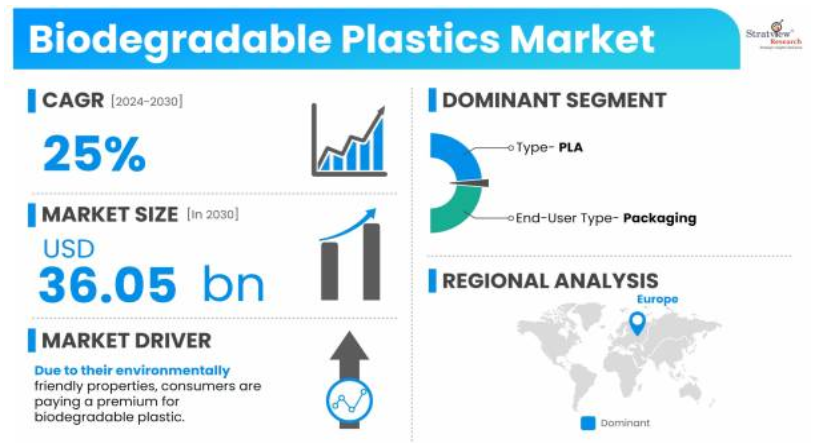
This rise is not accidental. It is driven by eco-conscious consumers, sustainability-driven businesses, and government bans on single-use plastics.
However, there is a great deal of misunderstanding regarding bioplastics.
So, in this bioplastics guide, I will walk you through:
- What are bioplastics?
- Why they are important?
- How bioplastics are made?
- The future of bioplastics?
With that, I aim to help you make a choice that’s informed and not dictated by market hype.
What Are Bioplastics?
Bioplastics are essentially plastics made from renewable materials like corn starch, hemp, sugarcane, potatoes, or cellulose. Unlike regular plastics, these can be made to biodegrade or compost, helping to lessen their impact on the environment over time. They work much like traditional plastics in how they look and perform, so you can use them for things like packaging, disposable utensils, agricultural films, and a variety of other products.
However, people often assume that all bioplastics are biodegradable. That is not true. Others believe that anything biodegradable must be bio-based. That is also not always true.
Here’s a quick bioplastics guide on how bio-based, biodegradable, and compostable plastics differ:
| Type of Plastic | What It Means | Made From | Breaks Down Naturally? | Special Conditions Needed? |
| Bio-based plastics | Plastics made from renewable biological sources | Plants like corn, sugarcane, cassava, algae | Not always | No |
| Biodegradable plastics | Plastics that can break down by microorganisms | Plant-based or fossil-based sources | Yes | Depends on material |
| Compostable plastics | Plastics that fully break down into non-toxic compost | Usually plant-based | Yes | Yes, composting conditions |
So, not all bioplastics are biodegradable. And not every biodegradable plastic is made from bio-based materials.
This mix-up happens because the term “bio” is often thrown around casually in marketing.
What Materials Are Used to Make Bioplastics?
Bioplastics begin with natural sources. This is what makes them fundamentally different from petroleum-based plastics.
a) Plant-Based Raw Materials
Most bioplastics today come from plant-derived sources. These include:
- Corn starch
- Sugarcane
- Potato starch
- Cassava
- Algae
These materials are rich in sugars and starches, which can be converted into polymers, the building blocks of plastic.
They are chosen for three main reasons.
b) Agricultural and Food Waste
Another important category is waste-based bioplastics. These are made using crop residues, sugarcane bagasse, or food processing waste.
Instead of discarding this waste, it is converted into valuable raw material.
This approach is gaining attention because it solves two problems at once. First, it reduces waste. And second, it helps make sustainable materials. It also avoids using food crops exclusively for plastic production, which is a valid concern in sustainability debates.
c) Microorganism-Based Sources
Some bioplastics also come from bacteria and other microorganisms. These microbes create substances similar to polymers as part of their natural processes, which can actually be used to make bioplastics.
At Murth, we turn what farms leave behind into packaging the future can live with, honoring the land, empowering farmers, and protecting the planet, one compostable solution at a time.
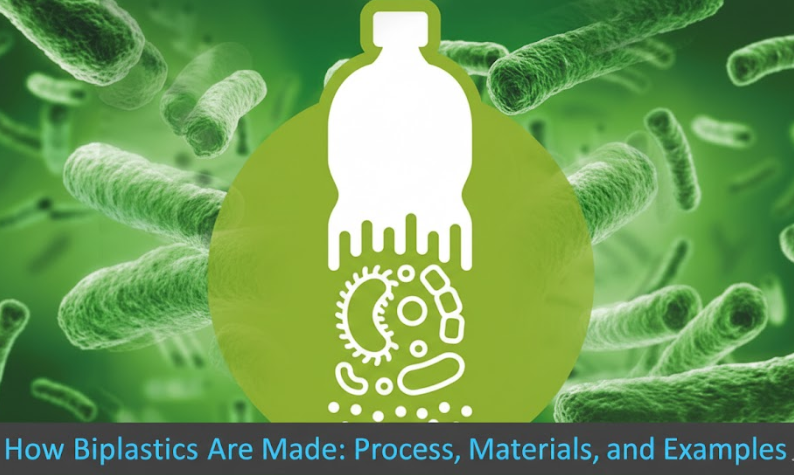
Step-by-Step: How Bioplastics Are Made
The bioplastics manufacturing process is simple and straightforward. Here’s how it works:
Step 1: Gathering Raw Materials
Imagine standing at the very start of a bioplastic’s life. It does not begin in a factory. It begins on farms. Corn fields. Sugarcane plantations. Hemp crops. Sometimes even in piles of agricultural waste that would otherwise be discarded.
Here’s an important truth: bioplastics are only as sustainable as their source. If crops are grown with heavy chemicals or excessive water, the climate benefit drops sharply. That’s why traceability matters. At Murth, sourcing is not a checkbox. It is the foundation.
Step 2: Extracting Sugars and Starches
Now we move inside the processing stage. The raw plant material is cleaned, crushed, or milled. Corn kernels are ground to release starch. Sugarcane is pressed to extract its juice.
What we’re really after here are sugars and starches. These are the true starting materials of bioplastics. Their purity matters. Impurities weaken the final material, just like poor cement weakens a building.
Quick fact: One ton of sugarcane can yield enough fermentable sugar to create hundreds of kilograms of bioplastic resin.
Step 3: Fermentation or Polymer Creation
This is where biology quietly takes over. Microorganisms like bacteria and yeast are added to the extracted sugars. They feed on them. As they do, they convert the sugars into compounds such as lactic acid.
These compounds are not plastic yet though.
Step 4: Polymerization
Now the chemistry steps in. The small molecules formed during fermentation are linked together. Long chains are created. These chains are called polymers.
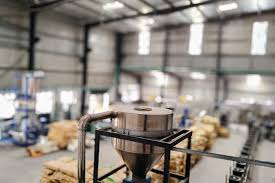
This is the stage that defines everything from strength, flexibility, heat resistance, and lifespan. The process looks similar to petroleum plastic production. But the difference is radical because the raw materials and the carbon impact are different.
Quick fact: Some bioplastics can be engineered to last decades, not days. Biodegradable does not mean weak.
Step 5: Processing into Pellets or Sheets
At this point, the material starts to look familiar. The polymer is shaped into pellets, granules, or thin sheets. This form makes it easy to transport, store, and melt later.
Here’s the key advantage: most bioplastics work with existing plastic machinery. No massive factory rebuilds needed. That’s why adoption is accelerating.
Step 6: Product Formation
Now comes the moment people recognize. The pellets are melted. Molded. Pressed. Shaped. This is when bioplastics become packaging, films, bags, containers, and everyday items.
By now, you can’t visually tell the difference. The difference lies in the story. One began with oil. The other began with plants, waste, and responsible design.
What Distinguishes Bioplastics from Conventional Plastics?
To really understand the value of bioplastics vs. plastic, it helps to compare the two.
Both materials may look similar, feel similar, and even function similarly. But their environmental impact is very different.
| Feature | Bioplastics | Regular Plastics |
| Raw material | Renewable sources | Fossil fuels |
| Carbon footprint | Lower potential | High |
| End-of-life | Compostable or recyclable | Mostly landfill |
| Microplastic risk | Lower | High |
| Decomposition | Designed to break down | Persists for centuries |
The above bioplastics vs. plastic comparison, makes it clear that bioplastics are not perfect, but they are a meaningful improvement. They reduce long-term waste, support circular systems, and encourage responsible consumption.
The Future of Bioplastics and Your Next Steps
Researchers (across the world!) are working on making bioplastics stronger, heat-resistant, and cheaper. Plus, government policies are increasingly becoming anti-plastic and pro-sustainability.
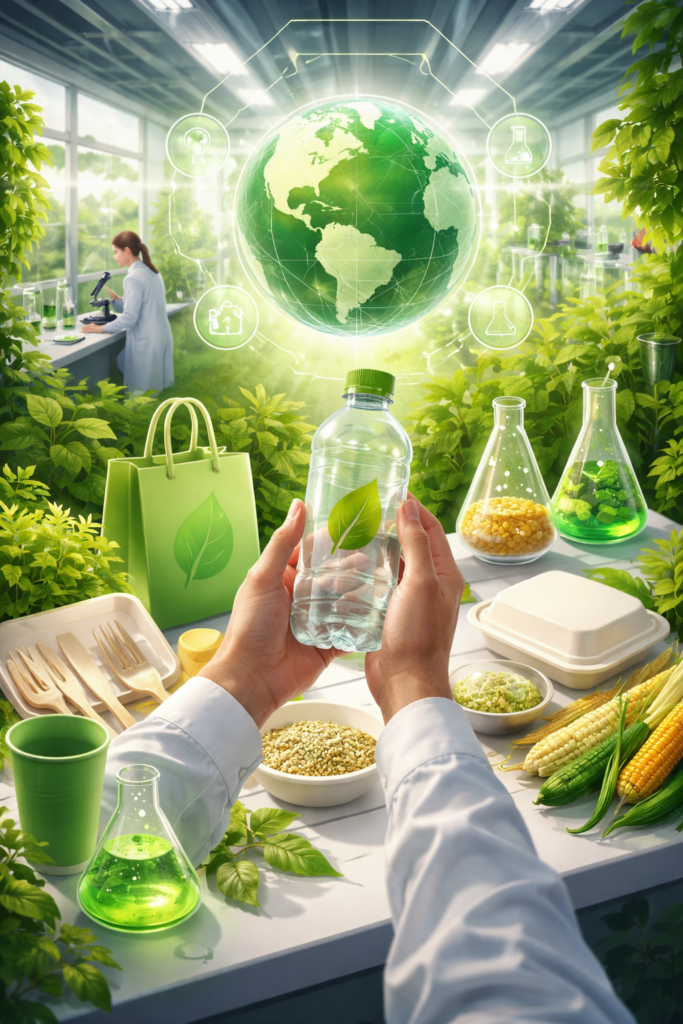
But just developing new materials isn’t enough. Real change comes with adoption.
At Murth, we recognize that bioplastics aren’t the be-all and end-all. But they do represent a meaningful first step forward, especially when used alongside proper disposal methods and responsible habits.
After all, sustainability isn’t about aiming for perfection but making progress. So don’t wait, switch to bioplastics today and take your first step in the right direction.
FAQs
What can bioplastics be used for?
Bioplastics are very versatile and can be used for practically every plastic use case. It can be used for making things like cups, containers, packaging, films, and even some agricultural products. As an eco-friendly choice, they help cut down on environmental harm while keeping our everyday uses pretty much the same.
What are the advantages of bioplastics?
There are many advantages of using bioplastics like:
- Lowering reliance on fossil fuels
- Reducing carbon emissions
- Decreasing the amount of microplastics in our environment
Certain types of bioplastics even break down naturally or be composted. So, you get the convenience of plastic, but with way less impact on the planet.
Are there downsides to bioplastics?
Yeah, bioplastics can cost a bit more, and not every type breaks down on its own. Some bioplastics also need industrial composting.
But knowing which type of bioplastic you’re using helps make sure it really benefits the environment.
What happens to bioplastics after use?
It depends. Some just decompose naturally, while others need proper composting. Toss them in the wrong place, and the environmental benefits disappear. Handle them right, and they’re a much cleaner option than regular plastic.
Are all bioplastics biodegradable or compostable?
Not all. Some can’t break down on their own and need industrial composting. Always check the labels. Used properly, bioplastics can really help cut down waste and support a circular economy.