
In 2022, India generated over 4 million tonnes of plastic waste, and less than 30% of it was ever recycled. The rest sits in landfills or rivers or gets burned into the air we breathe.
I have spent enough years building the Hemp Foundation to know one thing for certain: the fix isn’t banning plastic. It’s replacing it with something that behaves like plastic but disappears like a leaf.
That’s exactly what compostable bioplastics do. But here’s the catch nobody tells you upfront. Not every compostable bioplastic granule manufacturer in India actually produces material that composts the way it claims to. Some products marketed as “eco-friendly” are simply plastic with a green label stuck on top.
So if you’re sourcing granules for packaging, cutlery, or films, choosing the right manufacturer isn’t a minor detail. It’s the difference between real impact and expensive greenwashing.
How do you separate a reliable long-term partner from a supplier that simply claims to make compostable materials? This guide will walk you through the questions that actually matter before you make that decision.
What Should You Look for in a Compostable Bioplastic Granule Manufacturer?
Choosing a compostable bioplastic granule manufacturer in India is not like buying a commodity. Two manufacturers may offer materials that appear similar on paper yet deliver very different results in production.
That is because the quality of a granule is measured not just by what it is made of but by how consistently it performs.
When evaluating compostable granule manufacturers ask questions that help you understand whether the manufacturer can support your business over the long term.
| What to Evaluate | Why It Matters |
| Compostability certifications | It shows the material has been tested against recognized standards rather than relying on marketing claims. |
| Consistent raw materials | Stable inputs lead to predictable product quality across batches. |
| Mechanical performance | Strength, flexibility, and sealing properties must match your application. |
| Processing compatibility | Granules should run efficiently on your existing equipment with minimal adjustments. |
| Batch-to-batch consistency | Reduces production rejects; downtime and quality complaints. |
| Technical support | Helps resolve processing issues quickly and optimize production. |
| Manufacturing capacity | Ensures the supplier can meet growing demand without supply disruptions. |
| Custom formulations | Different products often require different material properties. |
A good starting point is certifications. But don’t stop there.
Ask the manufacturer for a technical data sheet. It tells you how the material is expected to behave during processing.
You don’t need to become a polymer expert overnight. But your production team should know basic details like the recommended processing temperature, melt flow index (MFI), strength, flexibility, and storage conditions. These numbers help you judge whether the material is compatible with your machines and the product you want to make.
Next, ask whether they recommend different grades for different applications.
A courier mailer and a food container don’t need the same material. Neither do blown films and injection-moulded products. This is well understood by experienced bioplastic granules manufacturers in India. They develop formulations for specific applications instead of expecting one material to do every job.
Don’t overlook what happens after the first shipment arrives.
Every production line is a little different. A material that performs well in one factory may need small adjustments in another. Sometimes it’s the processing temperature. Sometimes it’s the screw speed or cooling conditions. These are normal changes, and a good manufacturer helps you make them.
That support can save days of trial and error.
Now think a little further ahead.
Your first order might be just a few tonnes. But what happens when demand doubles? Can the manufacturer deliver the same material, with the same quality, every single time? Consistency becomes especially important if you supply large brands or export your products. Even small variations from one batch to the next can affect production and product quality.
This is why choosing a compostable bioplastic granule manufacturer in India isn’t just about buying raw material. You’re choosing a partner whose material and expertise should support your production for years, not just your next order.
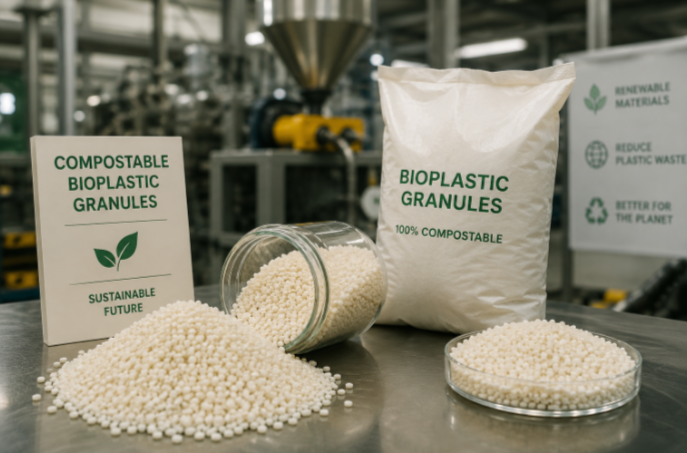
At Hemp Foundation, we develop compostable biopolymers engineered for real manufacturing conditions, helping converters achieve performance, consistency, and sustainability together. Explore our hemp products to see how application-specific formulations can simplify your transition to compostable materials.
Once you’re satisfied with a manufacturer’s technical capabilities, the next step is to verify their certifications and compliance credentials.
Why Certifications and Compliance Matter More Than Ever
A material may process well on your machines. It may even look and feel exactly the way you want. But that doesn’t automatically mean it meets the standards your customers or regulators expect.
That is why certifications matter.
A reliable compostable bioplastic granule manufacturer in India should be able to back every claim with proper documentation. If a supplier only uses terms like “green”, “eco-friendly”, or “biodegradable” without recognised certifications, ask for evidence before moving forward.
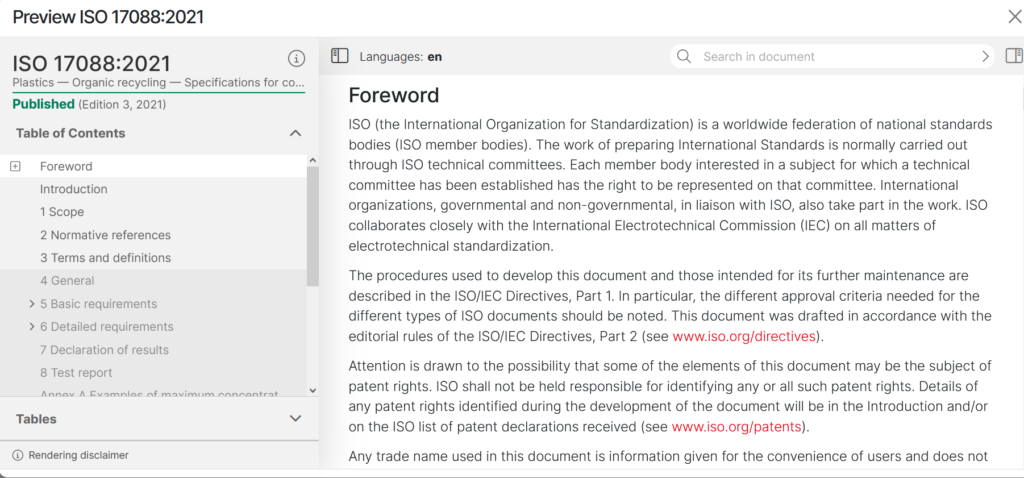
For the Indian market, IS/ISO 17088 is one of the key standards for compostable plastics. If you supply products overseas, your customers may also ask for compliance with standards such as EN 13432 or ASTM D6400 (depending on the destination market).
If you’re evaluating biodegradable plastic granules manufacturers in India, don’t just ask whether the material is certified. Ask what has been certified. In some cases, the raw material has been tested, but the finished product still needs to be evaluated separately.
Also ask for the supporting documents. Technical data sheets, safety data sheets, and test reports make it much easier to answer customer queries and complete compliance checks.
The best manufacturers don’t hesitate to share this information. They know that transparency builds trust.
Certifications tell you whether a material meets recognised standards. But there’s another question every buyer eventually faces: should you simply choose the supplier offering the lowest price?
Should You Choose the Lowest-Priced Supplier?
For most businesses, price is one of the first things they compare. That makes sense. But it should never be the only factor.
The lowest-priced material can sometimes become the most expensive option once production begins.
Poor-quality compostable granules rarely create just one problem. Small issues tend to add up.
One batch may run smoothly. The next may need different machine settings. Seals may become inconsistent. Film may tear more often. Before long, you’re dealing with more rejected products, wasted material, and unexpected production delays.
This is why experienced buyers don’t focus only on the price per kilogram. They look at the total cost of using that material over time.
When you’re comparing compostable plastic manufacturers in India, ask yourself a simple question: Will this material help my factory run consistently every day?
A supplier that delivers the same quality, batch after batch, usually saves far more than a lower purchase price ever can. Add dependable deliveries and responsive technical support, and the value becomes even clearer.
In the end, paying a little less for the material doesn’t help if you lose much more through downtime, production losses, or customer complaints.
Price is important. But it should be the final checkpoint, not the first one. Before you make a decision, it’s worth running through a simple supplier checklist.
A Simple Checklist Before You Finalize a Supplier
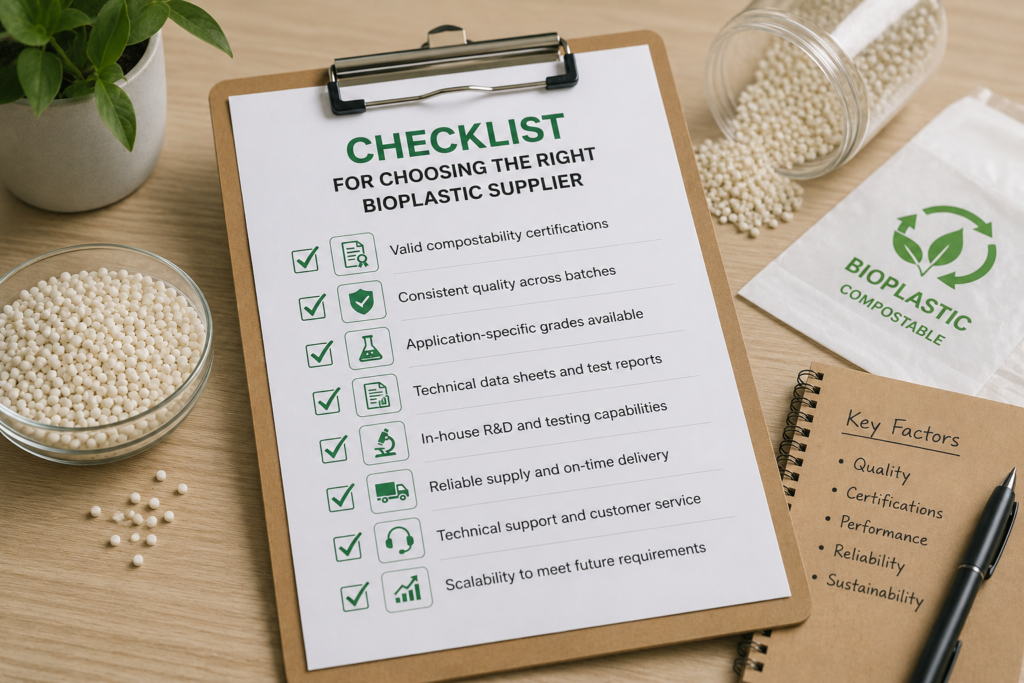
Generated by ChatGPT
By now, you’ve seen that choosing a compostable bioplastic granule manufacturer in India involves much more than comparing prices. Before you place an order, take a few minutes to run through this checklist.
A reliable supplier should be able to answer “yes” to most, if not all, of these questions.
- Has the manufacturer shared valid compostability certifications?
- Are technical data sheets and other supporting documents available?
- Have you tested the material on your own production line?
- Does the supplier recommend different grades for different applications?
- Can they demonstrate consistent quality across batches?
- Will they provide technical support if you face processing issues?
- Can they meet your future volume requirements without compromising quality?
Whether you’re comparing bioplastic granules manufacturers in India, evaluating biodegradable plastic granules manufacturers in India, or shortlisting compostable plastic manufacturers India, these questions will help you make a more informed decision.
The best compostable granules manufacturers don’t just answer these questions. They answer them with confidence, backed by data, documentation, and experience.
When you find a supplier who can do all of that consistently, you’re not just buying compostable granules. You’re building a partnership that can support your business for years to come.
Closing Thoughts
Compostable bioplastics are not a trend.
They’re a response to a waste problem that’s only growing.
But the material is only as good as the manufacturer standing behind it.
A genuine compostable bioplastic granule manufacturer in India will show you certificates before you ask, explain trade-offs honestly, and price their product based on what it actually costs to make something that returns to soil instead of sitting in it for centuries.
Choose that kind of partner, and the rest of your sustainability story writes itself.
FAQs
1. How do I choose the right compostable bioplastic granule manufacturer in India?
Start with the basics. Check their certifications, ask for technical documents, test the material on your machines, and see how they support customers after the sale.
2. Are all compostable granules the same?
Not at all. Different compostable granules are designed for different applications. A grade that works well for carry bags may not be suitable for injection-moulded or thermoformed products.
3. What should I ask compostable granules manufacturers before buying?
Ask compostable granules manufacturers about certifications, batch consistency, processing guidance, and whether they have a grade developed specifically for your application.
4. How can I compare bioplastic granules manufacturers in India?
Don’t compare only the price. The best bioplastic granules manufacturers in India offer consistent quality, reliable supply, technical support, and documentation that backs up their claims.
5. Do biodegradable plastic granules manufacturers in India and compostable plastic manufacturers India supply the same products?
Not always. Biodegradable plastic granules manufacturers in India and compostable plastic manufacturers in India may serve different applications and standards, so always check what the material is designed and certified for.