
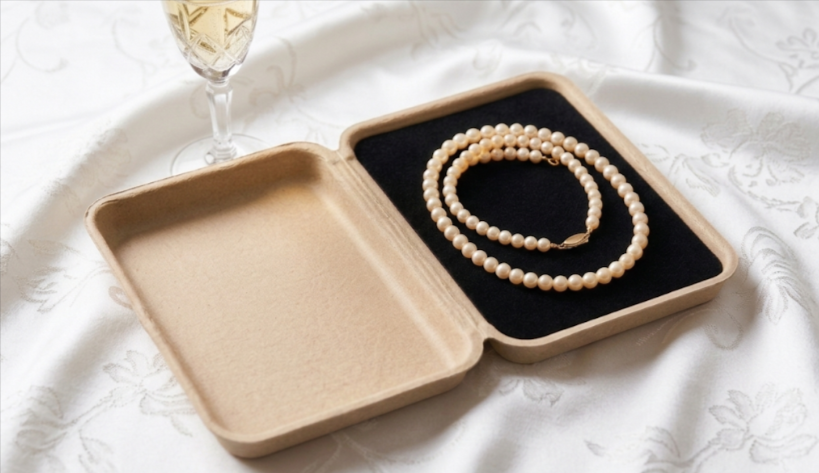
Jewelry packaging is small, but it carries with it an emotional weight. The box often holds a moment forever, such as an engagement or an anniversary that will be remembered for years.
Right now, jewelry packaging is doing something else as well. It is increasingly becoming a signal of a brand’s environmental values. Not only must it be premium, but it must also offer eco-friendly jewelry packaging.
The new generation is paying attention not only to the metal and gemstones, but also to what surrounds them. The box, the wrapping, and the shipping materials are all important.
Using thoughtfully designed sustainable packaging products, you can transform a simple packaging decision into a powerful brand statement. For the owner of a jewelry brand, this creates a unique opportunity to move ahead and capture new customers.
Why Packaging Matters More Than Ever
Jewelry packaging is rarely large and heavy. But when you multiply it by millions of sales, the environmental impact is noticeable.
A velvet box wrapped in layers of foam no longer feels luxurious. It feels outdated and wasteful.
Packaging is also one of the most visible sustainability signals a brand can send. Unlike sourcing or supply chain emissions, the eco-friendly jewelry packaging is literally in the customer’s hands.
A well-designed biodegradable box shows that your brand is responsible, modern, and cares about the planet.
For jewelry brands, packaging is no longer just a means of protection. It is an opportunity for storytelling.
Understanding What “Biodegradable Packaging” Actually Means
The word “biodegradable” has become a marketing cliche. It is mostly misunderstood and often intentionally misrepresented.
A paper envelope is also biodegradable. Almost anything that is organic in origin is biodegradable in some way. However, not all biodegradable materials break down at the same speed or under the same conditions. Some require industrial composting environments, while others can decompose in natural soil.
Most materials take several decades to biodegrade, and that is not what you want for your brand.
It is also important to distinguish between three commonly confused terms:
Biodegradable
Materials that can break down naturally over time into water and carbon dioxide. It might leave organic residue.
Compostable
Materials are designed to break down within a specific time frame under composting conditions.
Recyclable
Materials that can be reprocessed into new materials through recycling systems.
For your jewelry brand, you need packaging that either composts safely and in a relatively short period.
Now that you have a firm grasp of what you need, let’s focus on the materials.
What Materials Work Best for Biodegradable Jewelry Packaging?
There has been tremendous research and development in biodegradable packaging materials in recent years. Jewelry brands now have multiple options for eco-friendly gift packaging.
These materials align with your environmental goals and also offer sufficient product protection.
Bamboo
Bamboo is perhaps the most versatile and scalable material for making sustainable packaging products. It grows fast, requires minimal care, and no pesticides. Bamboo is easy to process and convert into eco-friendly gift packaging at a minimal cost. Also, using bamboo as a feedstock supports poor agrarian communities and uplifts them.
Mushroom (Mycelium) Packaging
This is a new and radical innovation in sustainable packaging products. The main raw material is mycelium, the root structure of fungi, which grows freely on agriwaste. It can be processed into dense, cushioning material that closely mimics the protective properties of polystyrene foam. For eco-friendly jewelry packaging, mycelium inserts are an excellent option for interior protection.
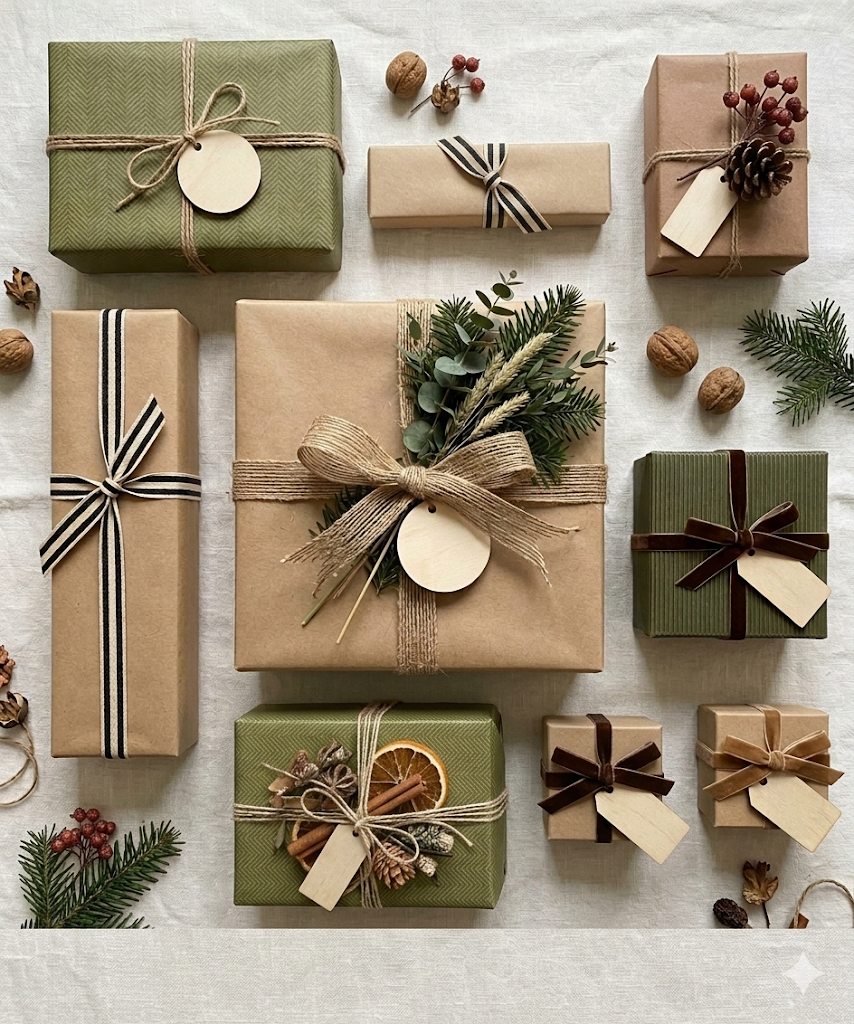
Kraft Paper and Recycled Cardboard
Kraft paper and recycled cardboard are durable, versatile, and very cheap. Kraft paper is a strong, fibrous sheet that is tear-resistant. Both can be used for making rigid boxes and mailers. They are also both fully recyclable and compostable.
Compostable Biopolymers
These are sustainable, bio-based materials. They are sourced from agricultural raw materials rich in cellulose and sugars.
- The most well-known is PLA (Polylactic Acid). If you need eco-friendly gift packaging with the functional properties of plastic, PLA is the ideal choice. PLA is a biodegradable plastic made from corn starch and sugarcane. It breaks down fully into water and carbon dioxide in a few short months.
- Another is PBAT, short for Polybutylene Adipate Terephthalate. It is highly flexible and the biodegradable equivalent of low-density polyethylene (LDPE).
UKHI is a leader in the field of research and manufacture of compostable biopolymers. UKHI products offer 70-80% cost savings compared to other similar sustainable packaging products.
Natural Fiber Fabrics
Organic cotton and hemp can also be used for eco-friendly jewelry packaging. They can replace velvet, suede, or Alcantara to provide a luxurious interior with a soft texture.
In 2026, eco-friendly gift packaging is moving away from old materials. This change is happening in every part of the package, as shown in the table below.
| Packaging Element | Older Packaging | Biodegradable Packaging Options |
| Box Coating | Plastic Laminate | Aqueous/Seaweed Coating |
| Fabric Lining | Polyester Velvet | Recycled Organic Cotton |
| Ribbon | Nylon | Hemp or Bamboo Cord |
| Insert/Padding | Polystyrene Foam | Mycelium or Pulp Molding |
| Mailer | Plastic Poly Bag | Recycled Kraft Mailer |
| Card/Tag | Virgin Paper with Foil | Seed Paper with Soy Ink |
What Are Some Practical Biodegradable Packaging Examples for Jewelry Brands?
A lot of brands get stuck because they imagine packaging as one item. In reality, it’s a small system.
When you design that system well, you can get protection, aesthetics, and sustainability in the same box.
Here are two combinations that work especially well for D2C jewelry.
Example 1: Premium unboxing system that photographs beautifully
- Rigid molded fiber box
- Molded insert with a ring slot or earring recess
- Natural-fiber pouch for softness
- A small card with care instructions and disposal icons
Why it works:
- Molded fiber feels premium and holds shape
- The pouch prevents scratches and feels gift-like
- The whole setup looks clean in photos
Example 2: E-commerce shipping system that protects and scales
- Rigid recycled paperboard box with embossing or debossing
- Paper-based wrap or tissue with minimal ink
- Compostable mailer as the outer shipping layer where composting access exists
Why it works:
- It keeps the premium box safe during shipping
- It replaces plastic outer mailers with compostable alternatives
Once you can visualise a packaging system, the next question becomes unavoidable.
What does it cost when you’re ordering in small quantities?
How Much More Does Biodegradable Jewelry Packaging Cost at Small Quantities?
At small order sizes, the price difference isn’t driven by “eco” alone.
It’s driven by manufacturing reality:
- Smaller print runs cost more per unit
- Specialty substrates have higher base costs
- Custom inserts can add setup costs
So yes, when you compare a basic plastic insert plus plastic mailer versus a compostable system, you may see a premium. Many brands experience something in the 10 to 30% range at low MOQs, depending on design complexity and sourcing.
But here’s the part most founders miss.
Packaging is usually a tiny fraction of the average order value (AOV).
If your average order value is ₹2,500 to ₹10,000, even a ₹15 to ₹40 increase per order often buys you:
- A more premium unboxing
- Stronger gifting perception
- Higher shareability
- Better differentiation
Cost is one side of the equation. The other side is how you talk about your packaging choices without turning the checkout experience into a lecture.
How Can Jewelry Brands Talk About Eco-Friendly Gift Packaging Without Sounding Preachy?
Your customer is not buying a sustainability report. They’re buying jewelry and a feeling.
So the best communication is short, calm, and confident.
Here are formats that work well:
- One line inside the lid: “Packed in eco-friendly gift packaging made with compostable and paper-based materials.”
- Icons plus a QR code: A small strip that shows compost, recycle, reuse, plus a QR link to a page that explains disposal in simple language.
- A thank-you framing: Thank the customer for choosing better packaging instead of telling them what they must do.
What to avoid:
- Long paragraphs about saving the planet
- Moral language that makes the customer feel judged
Once your messaging is clean, the last practical step is execution. It is easy to execute. But be wary of greenwashing.
Avoiding Greenwashing in Sustainable Packaging Products
Sustainability claims are being increasingly scrutinized by consumers. Every alternate brand claims they are “low-impact”, “ethical”, “carbon-neutral”, and so on.
Instead of vagueness, focus on clarity and evidence. For example,
- Your brand should specify whether the packaging is home compostable or industrial compostable.
- Do you use recycled material? If yes, the percentage of recycled content should be stated.
- Third-party certifications can offer verification. Certifications attest that materials meet recognized environmental standards. These are the ones you should have:
- RJC (Responsible Jewellery Council) certification offers proof of humane practices and environmental stewardship.
- IS/ISO 17088 certification from CPCB is a commonly used standard in India for materials intended for organic recycling and composting.
- Clear disposal instructions are equally important. Customers need to know whether the packaging should be recycled, composted, or reused.
Transparency helps customers participate in the sustainability effort.
Conclusion – The Big Impact of Small Packaging Decisions
Jewelry packaging may be small, but its impact is not.
Across thousands of products, packaging materials determine how much plastic waste enters landfills.
The adoption of sustainable packaging products influences how customers perceive a brand’s environmental commitment. When you pair eco-friendly jewelry packaging with a beautiful design and honest communication, it becomes a powerful environmental statement.
Sustainable packaging products are better for your business and better for the planet, too. Start today and reach out to us for expert advice and guidance for biodegradable jewelry packaging solutions.
Frequently Asked Questions
Is biodegradable jewelry packaging more expensive than traditional options?
Some components can be about 25% more expensive when compared to traditional plastic. But once you factor in the cost of velvet and alcantara and replacing it with hemp and organic cotton, it is going to equal out.
How can a jewelry brand transition to biodegradable packaging?
It is much simpler than you think. Perform a packaging audit to identify easy swaps, like replacing foam with molded hemp plastic. Change the box to PLA. Test your prototypes on a focus group and run a pilot launch. If you find that it is paying off and customers are delighted, you can transition entirely.
What are some practical biodegradable packaging examples for jewelry?
Popular biodegradable jewelry packaging examples include:
- FSC-certified paper boxes
- Mushroom-based foam
- Molded pulp inserts.
For a premium touch, you can swap plastic ribbons for organic cotton or hemp.
Can eco-friendly gift packaging maintain a luxury feel?
Absolutely. No longer does organic cotton or hemp cloth feel coarse to the touch. Modern processes have ensured they have a soft suede-like texture and are also lightweight and durable.
Why is switching to sustainable packaging products important for a brand?
Young consumers are drawn to brands that have shown their commitment to saving the environment. You can build trust and emotional connections through the use of eco-friendly jewelry packaging.