
“Bioplastics” is one of the most misunderstood terms in sustainability today.
I’ve seen clients assume that anything bio-based will automatically break down. Others believe switching to bioplastics will mean rebuilding their entire production setup. Both assumptions are inaccurate.
The reality is simpler and more practical.
There is a category called drop-in bioplastics that is quietly driving real adoption across industries. These materials are designed to replace conventional plastics without forcing businesses to change how they operate.
You can reduce the use of conventional plastics without changing machines, without redesigning products, and without disrupting supply chains.
In this article, I’ll walk you through what drop-in bioplastics are, how they differ from other materials, where they are already being used, and what role they can realistically play going forward.
What Are Drop-In Bioplastics?
Let’s start at the simplest level: What are drop-in bioplastics?
They are plastics made from renewable sources, but chemically identical to the plastics we already use.
That last part is what matters.
A drop-in bioplastic behaves exactly like its fossil-based version. Same structure. Same strength. Same processing conditions.
Which means:
- It runs on the same machines
- It fits into the same manufacturing lines
- It goes into the same recycling streams
Nothing changes operationally. The term “drop-in” is quite literal. You can drop these materials into an existing system and continue as usual.
This is very different from materials like PLA or PHA. Those are new polymer families. They require different handling, different conditions, and often different disposal systems.
Drop-in bioplastics, on the other hand, are about replacing the carbon source, and not reinventing the material. That is exactly why they are being adopted faster than most other alternatives.
Now that the definition is clear, the next logical question is how they compare with other types of bioplastics.
How Are Drop-In Bioplastics Different from Other Bioplastics?
The biggest confusion in this space comes from mixing up three ideas:
- Bio-Based
- Biodegradable
- Compostable
They are not the same.
A plastic can be bio-based and still behave exactly like conventional plastic at the end of its life.
That is the case with drop-in bioplastics.
Drop-in plastics vs biodegradable plastics
Let’s make this distinction very clear.
| Aspect | Drop-in bioplastics | Biodegradable plastics |
| Source | Bio-based | Bio-based or fossil |
| Structure | Same as conventional plastics | Different polymer structure |
| Disposal | Recyclable | Requires composting conditions |
| Infrastructure | Works with existing systems | Needs separate systems |
When we talk about drop-in plastics vs biodegradable plastics, the difference comes down to how they fit into the real world.
Drop-in materials are designed for compatibility.
They work with:
- Existing recycling mechanisms
- Existing supply chains
- Existing product designs
Biodegradable plastics solve a different problem. They are designed for controlled breakdown, often under industrial composting conditions.
That means:
- Different waste streams
- Stricter handling requirements
- Limited infrastructure in many regions
So while both categories are important, they serve very different purposes.
With that clarity, it becomes easier to understand what materials actually fall under the drop-in category.
What Are Common Drop-In Plastics Examples?
To understand drop-in plastics examples, it helps to think in a simple way.
Take the plastics you already know and replace fossil fuel-based feedstock with plant-based raw materials.
Below are a few common examples of drop-in plastics:
Bio Polyethylene (Bio-PE)
One of the most widely used examples is biopolyethylene (bio-PE).
It is made from sugarcane.
The process has four steps: sugarcane → ethanol → ethylene → polyethylene
Bio-PE can be used in:
- Carry Bags
- Packaging Films
- Bottles
And importantly, it is fully recyclable within existing PE streams.
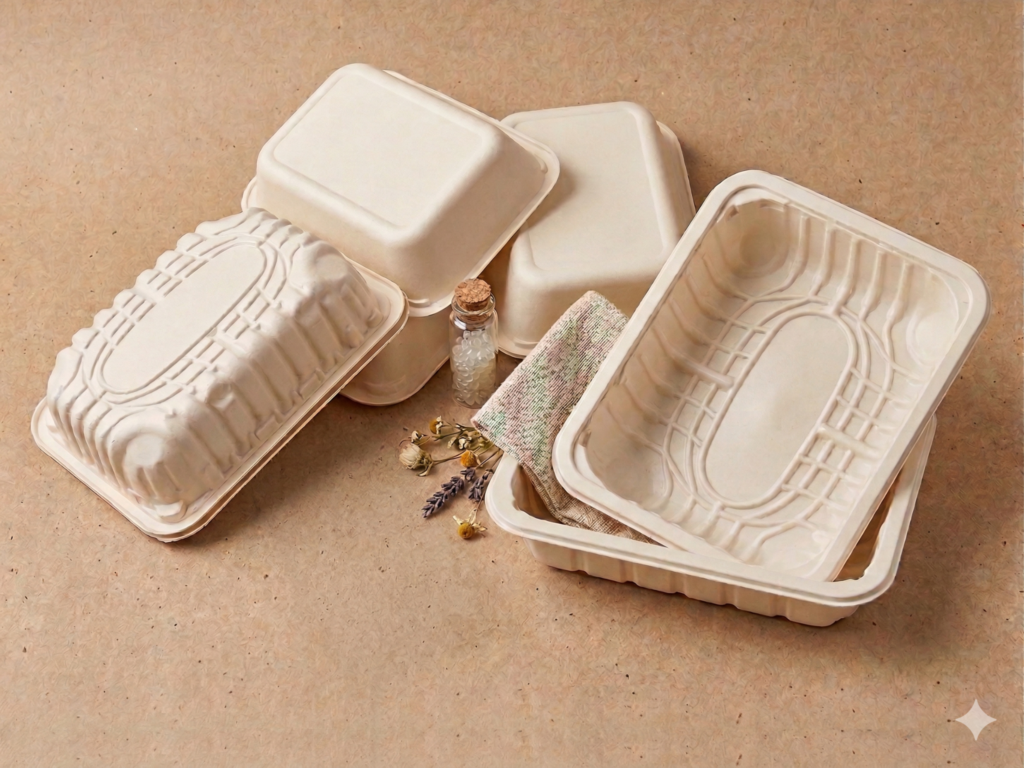
Bio PET Plastic
Another major drop-in bioplastic example is bio-PET plastic.
You’ll see this in beverage bottles and textile fibers.
Most commercial bio-PET today is partially bio-based. Around 30 percent comes from plant-derived inputs, while the rest still comes from fossil sources.
But functionally, it is the same material. It performs the same, looks the same, and recycles the same
That is why companies like Coca-Cola have already scaled it in packaging.
Other Bio-Based Plastics Examples
There are also emerging bio-based plastics examples, such as:
- Bio-Based Polypropylene (Bio-PP)
- Bio-Based Nylons (Bio-PP)
- Partially Bio-Based Polyurethanes
The common thread is simple. These are not new materials, but they are familiar plastics made from a different carbon source.
Now that we know what these materials are, the next step is to see where they are actually being used at scale today.
Where Are Drop-In Bioplastics Used Today?
Now that the materials are clear, the real question is where they are used in the real world.
They have been adopted in more places than most people realise.
Packaging Industry
This is where applications of bioplastics are most visible.
Drop-in materials work particularly well here because packaging systems are already built around PE, PET, and PP.
So switching becomes straightforward.
You’ll find them in:
- Beverage Bottles (Bio-PET)
- Flexible Films And Pouches (Bio-PE)
- Personal Care Packaging
- Caps And Closures
The key advantage is continuity with no change in:
- Machinery
- Product Design
- Recycling Process
That is why packaging has become the fastest adoption segment.
Consumer Goods and Textiles
Bio-PET is widely used in polyester fibers.
That means:
- Clothing
- Home Textiles
- Sportswear
From a user’s perspective, nothing changes. The fabric has the same durability and appearance. But the carbon source behind it is different.
Automotive and Industrial Use
This is where things get more interesting. Automotive manufacturers are under pressure to reduce carbon emissions.
Drop-in materials help without compromising performance.
They are being used in:
- Interior Panels
- Dashboards
- Seat Fabrics
- Under-The-Hood Components
Because they match conventional plastics, they pass existing performance standards.
If you’re looking to understand and adopt materials bioplastics, Ukhi can offer you clear, practical insights. As one of the largest manufacturers of biopolymers in India, we are uniquely positioned to advise and guide you through the transition.
What Are the Limitations of Drop-In Bioplastics?
The biggest misconception I see is this. If it is bio-based, it must be environmentally harmless. Unfortunately, that is not always true.
Drop-in bioplastics have clear advantages, but also clear limitations.
First, they are not biodegradable.
If mismanaged, a bio-PE bag behaves just like a conventional PE bag in the environment.
Second, they still depend on robust recycling.
If recycling rates are low, the benefit reduces.
Third, feedstock matters.
Many current materials rely on:
- Sugarcane
- Corn
- Other biomass
At scale, this raises concerns around land use and food production.
And finally, cost.
In many cases, bio-based plastics still carry a premium over conventional plastics.
These are not deal-breakers, but they are important to understand.
Which brings us to the bigger question.
Can Drop-In Bioplastics Replace Conventional Plastics?
The honest answer is in many cases, yes. Technically, drop-in bioplastics can replace conventional plastics across a wide range of applications.
But adoption does not depend on technical feasibility alone. It depends on three things: cost, policy support, and supply. Where these align, adoption accelerates.
So it is more accurate to think of drop-ins as a transitional solution helping us decouple plastics from fossil carbon.
Conclusion
If there is one thing to take away, it is this.
Not all bioplastics are the same. Some require new manufacturing processes, and a few change how products behave.
Drop-in bioplastics do neither. They focus on one shift that matters most today – changing the carbon source without changing the system.
That is why they are gaining traction across packaging, textiles, and industrial applications. It is doubtless a practical path forward, far from perfect but workable at scale.
And in a system as large and complex as plastics, that matters. Because the transition will not happen through disruption alone, but through solutions that fit into the world as it already exists.
Frequently Asked Questions
What is a drop-in bioplastic?
A drop-in bioplastic is a bio-based plastic. It is chemically identical to conventional plastic and is made without alteration to the manufacturing process.
What are some examples of drop-in bioplastics?
The most common example of drop-in plastics is biopolyethylene (bio PE) and bio PET plastic. Currently, these are widely used for packaging, beverage industry, and textiles.
Are drop-in bioplastics biodegradable?
They are generally not biodegradable. Bioplastics are chemically identical to PE and PET but made from biomass. With proper recycling systems, they can be reused.
What are the applications of bioplastics like drop-in plastics?
Drop-in bioplastics (like bio-PE, bio-PET, and bio-PP) are being used for:
- Food Packaging
- Rigid Packaging
- Flexible Packaging
- Consumer Goods
- Mulch Films
- Plant Plots
- Automobile Panels
Can drop-in bioplastics replace conventional plastics?
It is a possible replacement in many different products because it is identical to the conventional PET, PE, and PP. It will cost, supply, and policy support that play a crucial support to the adoption and growth of bioplastics in the next few years.