
Imagine if you stack every single polybag used by the fashion industry last year. That would stretch over 9,000 kilometres. That’s enough to cross entire continents. Or pierce through Earth’s atmosphere and into space.

That is the “180-billion-bag” debt we are currently handing to our children.
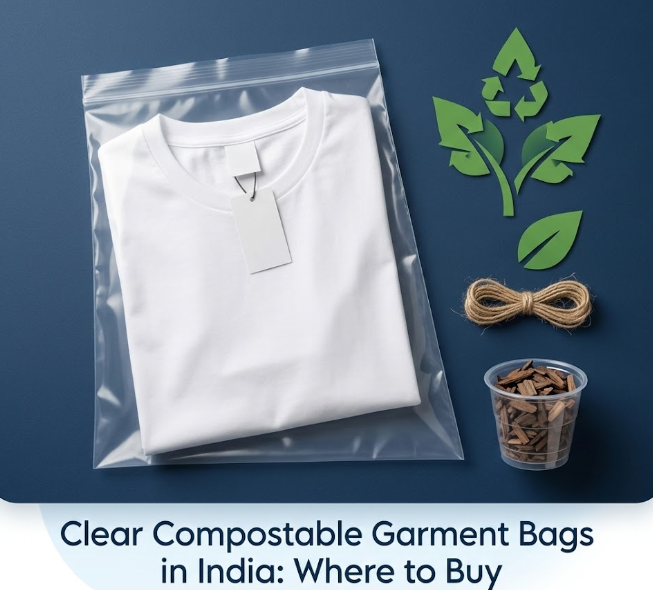
You are absolutely right in looking for a clear compostable garment bag to break this cycle. But let’s be honest: the task of sourcing a bag that is actually “clear,” legally compliant, and won’t break your budget isn’t as simple as it sounds. This is the guide you need to navigate the maze of biodegradable packaging films. It will help you make a decision that protects your garments as much as your conscience.
What Are Clear Compostable Garment Bags?
When we talk about compostable garment bags, we are talking about a sophisticated piece of material science. In the fashion industry, the requirement for clear garment bags is non-negotiable. Your warehouse team needs to see the SKU, the color, and the size without ripping open the protection. For years, the industry relied on plastic garment bags because they offered that perfect clarity and high tensile strength. But we paid for that clarity with a 500-year environmental debt. A true compostable bag today must mimic those properties using plant-based chemistry rather than petroleum.
It is vital to understand the “Alphabet Soup” of sustainability before you sign a purchase order. Here is the breakdown of what you’ll see in the market:
| Material Type | How it Breaks Down | The “Catch” | Legal Status in India |
| Oxo-Biodegradable | Fragments into microplastics | It never actually disappears; just becomes invisible. | Banned / Non-compliant |
| Generic “Bio” Bags | Uncertain timeline | Often contains hidden polymers. | Risky without certification |
| Certified Compostable | Turns into nutrient-rich soil | Requires specific moisture/heat. | Gold Standard (CPCB) |
Most high-performance compostable garment bags used in fashion today are designed for industrial compostability. They offer a unique “breathability” that plastic garment bags lack, preventing the dreaded “yellowing” of white fabrics by allowing gases to escape while keeping dust out.
The Complete Buying Guide
Switching your entire supply chain to sustainable fashion packaging is a marathon, not a sprint. You aren’t just buying a consumable, you are auditing your brand’s footprint. Whether you are a boutique designer in Delhi or a massive export house in Tirupur, this step-by-step framework will ensure your transition to compostable fashion packaging is seamless and legally sound.
Step 1: Understand the Legal Requirements
The first thing you must realize is that the “Plastic Demon” is now being fought with legislation. In India, the Plastic Waste Management (PWM) Rules have made it mandatory for any “compostable” claim to be backed by a certificate from the Central Pollution Control Board (CPCB). If you are caught using bags that claim to be eco-friendly but lack this certification, the fines can be staggering.
Furthermore, if you are exporting, you must stay ahead of global shifts like the UK’s Plastic Packaging Tax or the EU’s tightening “Green Claims” Directive. Biodegradable fashion packaging is your shield against these costs, but only if the documentation is ironclad.
Step 2: Understand the Pricing
I often hear from founders that compostable bags price is the “dealbreaker.” Let’s look at the reality of the Indian market. Yes, on a per-unit basis, a compostable bag might cost 1.5x to 2x more than a virgin plastic bag. However, the ballpark figure in India for a standard-sized garment bag usually ranges between ₹4 to ₹9 depending on thickness and volume.
When you factor in that you are avoiding the “hidden costs” of plastic, regulatory fines, environmental compensation fees, and the loss of eco-conscious customers, the compostable bags price actually begins to look like a very cheap insurance policy for your brand’s future.
Step 3: What to Look for in Manufacturers
This is where most brands get tripped up. You need to understand that not all compostable bags manufacturers in India are equal. Some are simply traders, while others are specialized converters.
At Ukhi, we take a unique approach: we provide the high-performance raw material biogranules, which are then converted into bags by certified manufacturing partners. This allows us to guarantee the science while our partners handle the legal compliance.
Your Procurement Checklist:
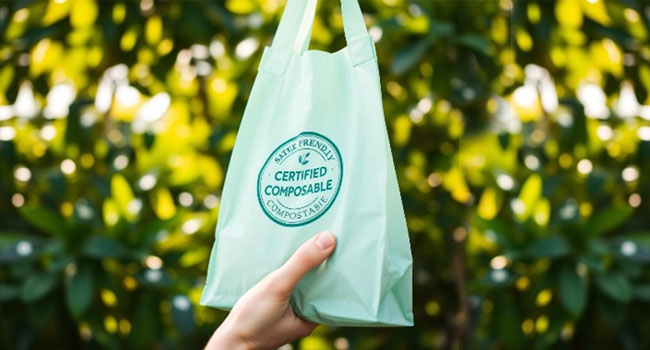
- CPCB Compliance: The manufacturer MUST provide a valid CPCB certificate specifically for compostable plastics. This is non-negotiable for sustainable clothing packaging.
- Traceable Raw Material: Ask where the resin comes from. Is it made from food-crops like corn (which can be controversial) or agricultural waste?
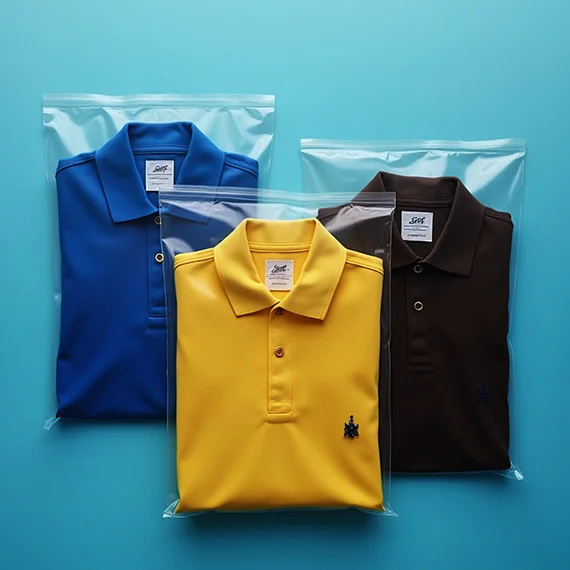
- Transparency & Clarity: Request a physical sample. Some biodegradable clothing packaging can be very hazy or yellow; ensure it meets your retail visibility standards.
- Mechanical Strength: Test the side seals. A bag that bursts at the seam during shipping is a failure, no matter how “green” it is.
- Custom Sizing: Ensure they can handle the specific dimensions for your hanging garment bags or folded shirt packs.
The Red Flags:
If a supplier offers you “Biodegradable” bags but cannot produce a CPCB registration number, walk away. If they claim the bags are “home compostable” but have no lab reports to prove it, they are likely selling you misleading “Oxo” films. Authentic compostable clothing packaging will always have a printed license number and the “Compostable” logo directly on the bag.
Step 4: Planning to Make the Switch
Don’t try to change your entire inventory overnight. Start with your “Core” or “Sustainable” collection first. This allows your warehouse team to get used to the feel of biodegradable packaging films, which have a slightly different “slip” than plastic.
Understand your scale too as most manufacturers have a Minimum Order Quantity (MOQ). By consolidating your orders, you can bring down the compostable bags price through sheer volume.
Next, consider sustainability and ensure your supplier has a consistent supply of raw materials like Ukhi’s biogranules to avoid stock-outs during peak seasons.
A Note on Performance: Busting the “Melting” Myth
One of the most persistent anxieties I hear from fashion CEOs is the fear that compostable garment bags are somehow fragile. There is a “myth” that if a warehouse gets humid or a shipment sits on a monsoon-drenched dock in Mumbai, these biodegradable packaging films will simply start disappearing. Let’s set the record straight: microbes aren’t magic.
Compostable material is engineered for triggered degradation. It requires the specific, bacteria-rich environment of a compost pile to begin its disappearing act. In a standard, dry warehouse, these bags have a shelf-life of 12 to 18 months. That’s plenty of time for even your slowest-moving SKUs. In fact, switching to compostable clothing packaging actually offers performance upgrades that traditional plastic garment bags cannot match:
- Zero Static Cling: Unlike plastic, which acts like a magnet for dust and lint, compostable biogranules have a naturally low static charge. Your black coats stay black, not fuzzy.
- The “Soft Touch” Premium: There is a tactile difference. Biodegradable clothing packaging has a silky, “soft-touch” feel that subconsciously signals “luxury” to the customer the moment they touch the package.
- Natural Breathability: Because the molecular structure allows for minute airflow, you eliminate the “greenhouse effect” inside the bag, preventing the trapped moisture that leads to mold during long-term sea freight.
Final Words: Time to Slay the Plastic Demon
Making the move to sustainable fashion packaging is a sign of a leader who is looking ten years ahead, not just at next month’s P&L. We have seen 180 billion polybags choke our systems for too long. By choosing high-quality compostable garment bags, you are telling your customer that their purchase doesn’t have to come at the cost of the soil.
Remember, you don’t need to be a material scientist to get this right; you just need to partner with people who are. Look for CPCB-approved compostable garment bags made using Ukhi biogranules to ensure you are getting the best of Indian innovation and legal security. It is time to move away from the toxic legacy of plastic garment bags and embrace a circular future where “waste” is a word of the past.
Let’s get started on your journey toward truly biodegradable clothing packaging. The technology is here, the regulations are clear, and the planet is waiting. Order a sample kit from Ukhi today and see the difference yourself.